How to Make Electronic Home Designs: Expert Tips and Techniques
Are you ready to transform your living space with innovative electronic home designs? With the rise of smart technology and digital tools, creating a modern home layout has never been easier. Whether you’re a homeowner looking to enhance your space or a designer interested in incorporating electronic elements, understanding the essentials is key. In this article, you’ll learn not only how to make electronic home designs but also discover the latest trends, tools, and techniques that can elevate your projects. Get ready to explore the intersection of technology and creativity as we guide you through the vital steps to achieve stunning electronic home designs.
Understanding Electronic Home Design Basics
Electronic home design integrates technology into the architectural and interior design process, enhancing functionality and aesthetics. It involves creating spaces that are not only visually appealing but also incorporate smart technology for convenience and efficiency. This introductory phase focuses on selecting the right components, understanding design principles, and planning layouts that optimize the use of technology while considering the overall flow of the home.
Defining Your Vision
Before diving into electronic home design, it’s crucial to define your vision. Consider the lifestyle needs of the occupants and how technology can enhance daily living. Create a mood board with inspirations and functionalities you desire, such as smart lighting or integrated sound systems. This step sets the foundation for the entire design process, ensuring that the final outcome aligns with your goals.
Key Components of Electronic Design
Electronic home designs typically incorporate smart systems such as lighting, HVAC, security, and entertainment. Understanding the key components is essential for integration. For instance, smart thermostats can adjust heating and cooling based on occupancy, while automated lighting systems can enhance ambiance and energy efficiency. Familiarize yourself with these technologies to make informed choices.
Planning Your Layout
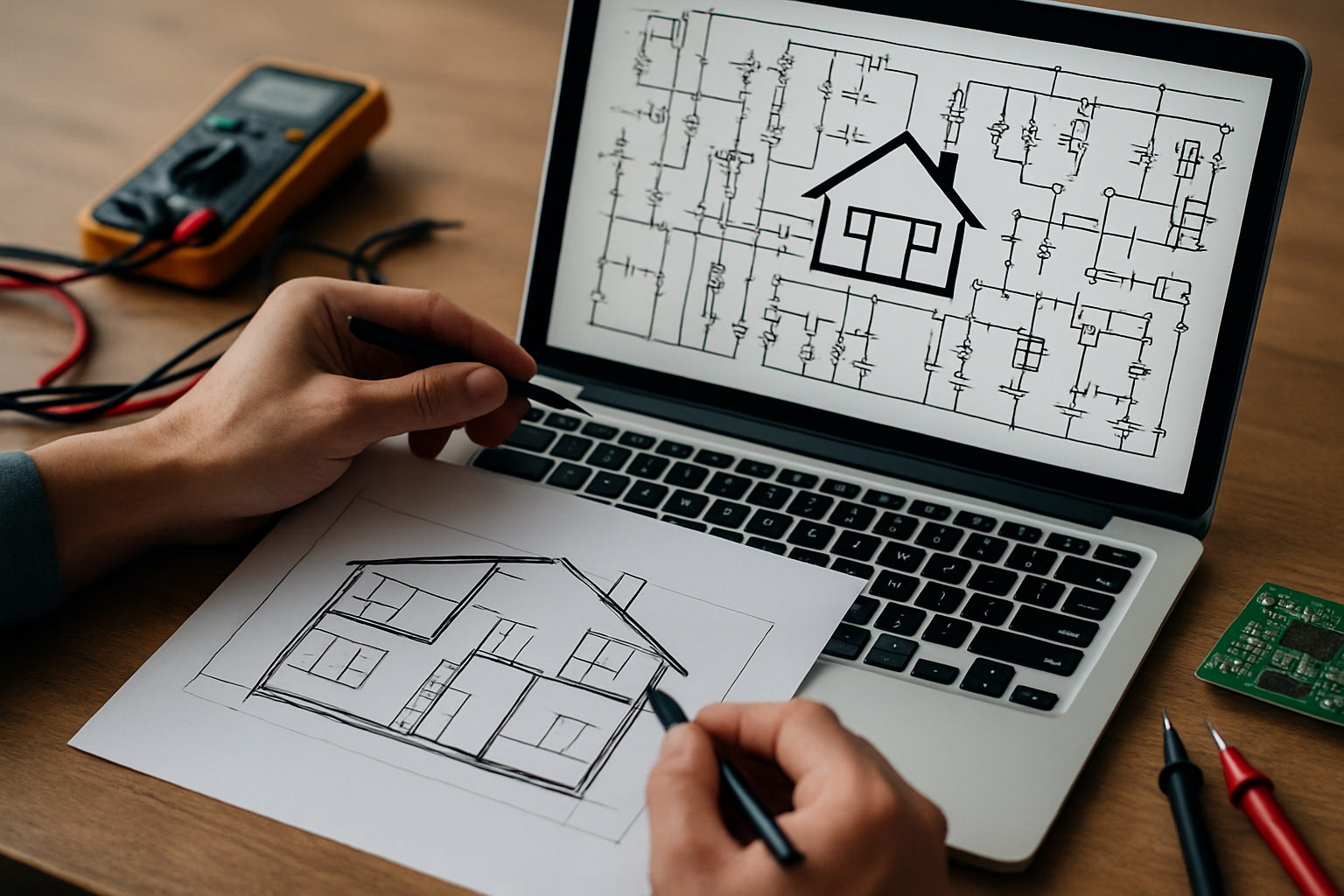
Effective planning is vital for electronic home designs. Focus on how different areas of the home will interact with technology. Sketch out a layout that includes power sources, network connectivity, and the placement of devices. Ensuring that technology is seamlessly integrated into the design enhances both functionality and aesthetics, allowing for a cohesive home environment.
Key Points:
- Define your vision to align technology with lifestyle needs.
- Understand key components to make informed design choices.
- Plan layouts to integrate technology seamlessly.
Incorporating Smart Technology into Home Design
Incorporating smart technology into home design involves understanding how various systems can work together to enhance efficiency and convenience. This section explores the types of smart technology available, the benefits of integration, and considerations for installation. Emphasizing functionality without compromising aesthetics is key to successful implementation.
Types of Smart Technologies
Smart technologies come in various forms, including smart lighting, security systems, and home automation hubs. Familiarizing yourself with these options is essential. For example, smart lighting can be controlled remotely, while security systems can include cameras and sensors. Each technology serves a specific purpose, contributing to a smarter and more efficient home environment.
Benefits of Integrated Systems
Integrating smart technologies into your home offers numerous benefits, including increased security, energy efficiency, and convenience. For instance, automated systems can adjust settings based on your habits, reducing energy costs. Additionally, having a centralized control system simplifies the management of different technologies, enhancing user experience and accessibility.
Considerations for Installation
When integrating smart technology, consider factors such as compatibility, wiring requirements, and user-friendliness. It’s essential to ensure that devices can communicate with each other, which may require specific protocols or hubs. Additionally, plan for future upgrades or expansions in technology use, allowing for flexibility in your electronic home design.
Key Points:
- Explore various types of smart technologies available.
- Understand the benefits of integration for improved functionality.
- Plan for compatibility and future upgrades during installation.
Understanding the Basics of Electronic Home Design
To create electronic home designs, it’s crucial to grasp the foundational concepts of layout, functionality, and aesthetics. Start by identifying the primary purpose of each space and how electronic devices will enhance it. Consider the flow of movement and how technology can facilitate daily tasks. This approach ensures that your designs are not only visually appealing but also practical. Assess the integration of lighting, sound, and climate control systems to create a harmonious living environment that feels both modern and comfortable.
Identifying Key Spaces
Begin by determining the main areas in your home that will benefit from electronic integration. Common spaces include the living room, kitchen, and home office. Evaluate how these spaces can leverage technology to improve convenience, such as smart lighting in the living room or automated temperature control in the kitchen. This assessment is critical to designing functional electronic spaces.
Creating a Functional Layout
A functional layout is vital for electronic home designs. Consider the placement of outlets, wiring, and devices to avoid clutter and ensure ease of use. Use a floor plan tool or sketch to visualize where devices will be located, ensuring they are easily accessible while maintaining the aesthetic appeal of the space. A well-thought-out layout enhances user experience and promotes efficient interaction with technology.
Key Points:
- Identify key spaces for electronic integration.
- Design layouts that enhance functionality and aesthetics.
💡 Prioritize user experience by considering how each device will be used in daily routines.
💡 Incorporate flexibility in your designs to adapt to future technology advancements.
Advanced Techniques for Electronic Home Integration
Once you have a solid understanding of the basics, delve into advanced techniques to further enhance your electronic home designs. Consider implementing smart home technologies, energy-efficient solutions, and automation systems that work cohesively. This step will not only elevate the functionality of your home but also promote sustainability. Additionally, focus on user interface design, ensuring that all technological aspects are easy to control and manage for all household members.
Integrating Smart Home Technologies
Smart home technologies allow for seamless integration of various electronic devices. Consider connecting lighting, security, and entertainment systems through a central hub. This integration enhances convenience by allowing users to control multiple devices through a single platform, such as a smartphone app or voice commands. Prioritize compatibility among devices to ensure smooth operation.
Energy Efficiency and Sustainability
Incorporating energy-efficient technologies is essential for modern electronic home designs. Use smart thermostats, LED lighting, and energy management systems to reduce consumption. Not only do these solutions lower utility bills, but they also contribute to a more sustainable lifestyle. Evaluate the energy output of devices and prioritize those that offer efficiency without compromising functionality.
User Interface and Control Systems
A user-friendly interface is crucial for the success of electronic home designs. Design control systems that are intuitive and accessible for all users. Consider using touchscreens, voice-activated assistants, or mobile apps to manage home technologies. Simplifying the user experience increases satisfaction and encourages full utilization of the integrated systems.
Key Points:
- Implement smart technologies for seamless integration.
- Focus on energy efficiency for sustainability and cost-effectiveness.
💡 Utilize a centralized control system to simplify device management.
💡 Regularly update your system to ensure compatibility with the latest technology.
EXPERT TIPS Pro Advice
Plan for future upgrades
Design your electronic home spaces with future technology in mind, allowing for easy upgrades and expansions as new devices become available.
Conduct a thorough needs assessment
Before finalizing designs, assess the specific needs and habits of household members to create a truly personalized electronic environment.
Consider wireless solutions
Where possible, opt for wireless technology to minimize the need for extensive wiring, which can complicate installations and renovations.
Incorporate security features
Ensure that electronic designs include robust security measures, such as smart locks and cameras, to protect your home and provide peace of mind.
Stay updated on trends
Regularly research emerging technology trends to keep your designs current and maximize the benefits of new advancements.
Frequently Asked Questions
Conclusion
Creating electronic home designs combines creativity with technology. By understanding the importance of digital layouts and utilizing appropriate software, you can effectively plan your space. Whether self-taught or with professional help, the right approach leads to successful home designs.
🎯 Key Takeaways:
- Electronic design optimizes functionality and aesthetics.
- Start with suitable software and refine your ideas.
- Learning is accessible through various online resources.
- Incorporate smart technology for modern designs.
- Professional help can enhance complex projects.
Expert Advice: Embrace the learning process and continuously practice your skills. Experiment with different design styles and techniques to find your unique approach to electronic home designs.
Start sketching your ideas today and explore the world of electronic home design!
Leave a Reply