
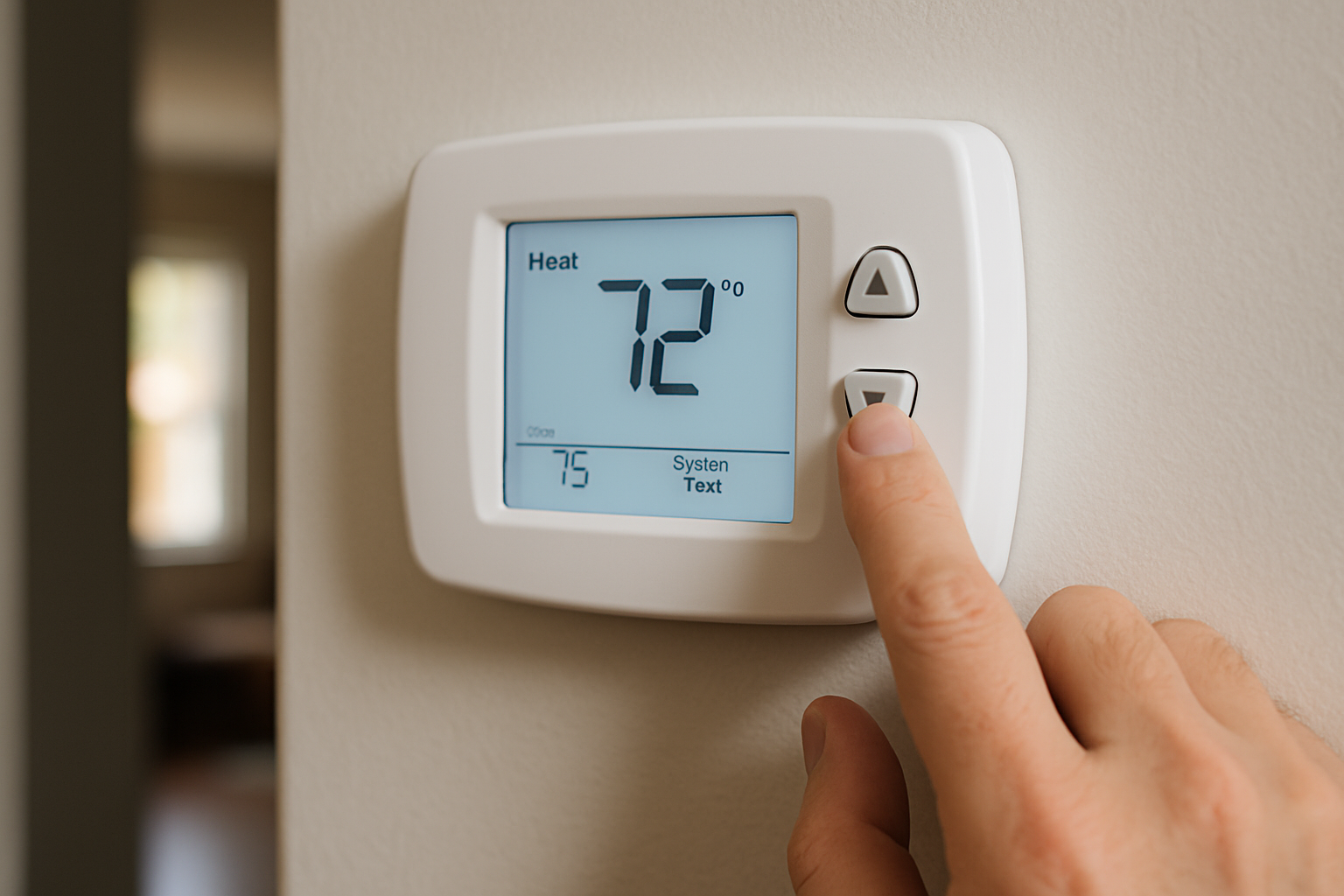
How an Electronic Home Thermostat Works: Understanding Its Functionality
Have you ever wondered how an electronic home thermostat works to maintain the perfect temperature in your house? With advancements in technology, these devices have become essential for efficient home heating and cooling. Understanding the mechanics behind an electronic thermostat not only empowers homeowners to use it effectively but also highlights its role in energy conservation and comfort. In this article, we will explore the inner workings of electronic thermostats, their key components, and how they interact with home heating and cooling systems. By the end, you’ll gain a comprehensive understanding of this vital device and its benefits for your home.
Understanding the Basics of Electronic Home Thermostats
An electronic home thermostat is a device that regulates the temperature of a home by controlling heating and cooling systems. Unlike traditional thermostats, which use a mechanical bimetallic strip, electronic thermostats utilize sensors and microprocessors to provide more accurate temperature readings and precise control. This results in enhanced energy efficiency and comfort. Electronic thermostats can be programmable or non-programmable, allowing users to set specific schedules for temperature changes depending on their daily routines.
Components of an Electronic Thermostat
The primary components of an electronic thermostat include the temperature sensor, microprocessor, user interface, and communication system. The temperature sensor detects the current room temperature, while the microprocessor processes the information and makes decisions based on user settings. The user interface allows homeowners to set desired temperatures and schedules, and the communication system connects the thermostat to the heating and cooling units for effective operation.
Types of Electronic Thermostats
There are two main types of electronic thermostats: programmable and smart. Programmable thermostats allow users to set different temperatures for various times of the day. In contrast, smart thermostats can learn user behaviors and optimize energy use automatically. Smart models often connect to Wi-Fi, enabling remote control via smartphones and integration with home automation systems, providing flexibility and convenience.
Key Points:
- Electronic thermostats enhance energy efficiency
- Understanding types helps choose the right thermostat
How Temperature Control Works in Electronic Thermostats
Electronic thermostats maintain the desired temperature by using feedback loops. When the temperature in a room deviates from the set point, the thermostat activates the heating or cooling system. It continuously monitors the room temperature and adjusts the system as needed to maintain comfort levels. This process not only ensures a stable indoor environment but also contributes to energy savings by preventing unnecessary heating or cooling cycles.
The Feedback Loop Mechanism
The feedback loop mechanism is crucial for an electronic thermostat’s function. It begins when the temperature sensor detects a temperature change. If the temperature falls below the set point, the thermostat sends a signal to the heating system to turn on. Conversely, if the temperature exceeds the set point, it instructs the cooling system to activate, ensuring the home stays within the desired range.
Benefits of Precision Control
Precision control in electronic thermostats allows for more consistent temperature management. This leads to improved comfort and can significantly lower energy costs. By maintaining a steady temperature without wide fluctuations, homeowners can reduce the workload on HVAC systems, extending their lifespan and minimizing maintenance needs.
Key Points:
- Feedback loops ensure consistent temperature regulation
- Precision control enhances comfort and energy savings
Understanding the Basics of Electronic Home Thermostats
Electronic home thermostats are devices that regulate the temperature in a home by controlling the heating and cooling systems. They work by utilizing sensors to monitor the ambient temperature and comparing it to the set temperature. When a discrepancy arises, the thermostat sends signals to the HVAC system to either heat or cool the home accordingly. Modern electronic thermostats often feature programmable settings, allowing homeowners to optimize energy use based on their schedules, thereby enhancing comfort and efficiency. The integration of smart technology further improves functionality, enabling remote access and real-time adjustments through mobile devices.
Components of an Electronic Thermostat
The main components of an electronic thermostat include the sensor, control circuit, and display. The sensor detects the current temperature, while the control circuit interprets this data and sends commands to the HVAC system. The display provides users with real-time information about the current temperature, desired settings, and system status. Understanding these components helps homeowners troubleshoot basic issues and optimize thermostat performance.
How Sensors Function
Thermostats typically use thermistors or capacitive sensors to gauge temperature. A thermistor changes resistance based on temperature fluctuations, allowing accurate readings. Capacitive sensors measure temperature by detecting changes in capacitance. Knowing how these sensors work can assist users in selecting the right thermostat for their environment and ensuring accurate temperature control.
Key Points:
- Electronic thermostats improve energy efficiency.
- Understanding components helps in troubleshooting issues.
💡 Regularly calibrate your thermostat to ensure accurate temperature readings.
💡 Consider using programmable settings to reduce energy consumption during non-peak hours.
Advanced Features of Electronic Home Thermostats
Many modern electronic thermostats come equipped with advanced features that enhance their functionality and user experience. These features include Wi-Fi connectivity, learning capabilities, and adaptive scheduling. Wi-Fi connectivity allows users to control their thermostats remotely via smartphones, making it easier to adjust settings while away from home. Learning thermostats can analyze user behavior over time and automatically adjust settings for optimal comfort and energy savings without manual input.
Wi-Fi Connectivity and Remote Access
Wi-Fi-enabled thermostats can connect to home networks, enabling users to monitor and control their home climate from anywhere. This feature is particularly useful for those who travel frequently or have unpredictable schedules. Users can make adjustments in real-time, ensuring their home is comfortable upon arrival while also conserving energy when no one is home.
Learning Thermostats and Adaptive Scheduling
Learning thermostats use algorithms to understand user patterns and adjust heating and cooling schedules accordingly. By analyzing temperature preferences and daily routines, these devices can optimize energy use without constant manual adjustments. This feature not only maximizes comfort but also significantly reduces energy costs over time.
Key Points:
- Advanced features enhance user convenience.
- Learning capabilities can lead to significant energy savings.
💡 Explore advanced settings to fully utilize your thermostat’s capabilities.
💡 Regularly update the thermostat’s software for improved performance and security.
EXPERT TIPS Pro Advice
Optimize placement of the thermostat
Place your thermostat away from drafty areas and direct sunlight to ensure accurate temperature readings, leading to better system performance.
Set up a maintenance schedule
Regular maintenance of your HVAC system ensures it operates efficiently, which complements the functionality of your thermostat.
Use energy-saving modes
Many thermostats have energy-saving modes that adjust settings during periods of inactivity, helping to reduce energy bills.
Monitor energy usage reports
Review energy usage reports provided by your thermostat to identify trends and adjust settings for improved efficiency.
Integrate with smart home systems
Connecting your thermostat to a smart home ecosystem can enhance automation and allow for more precise climate control based on various factors.
Frequently Asked Questions
Conclusion
Understanding how an electronic home thermostat works is crucial for enhancing comfort and energy efficiency. These devices utilize sensors to monitor temperature and adjust HVAC systems accordingly. Programmable and smart features allow for personalized settings, ultimately leading to significant energy savings.
🎯 Key Takeaways:
- Electronic thermostats improve comfort and energy efficiency.
- They use sensors to monitor and adjust indoor temperature.
- Most models are programmable for convenience.
- Smart thermostats offer advanced features for energy savings.
- Regular maintenance can extend their lifespan.
Expert Advice: Consider upgrading to an electronic or smart thermostat to maximize comfort and efficiency in your home. Regularly check and adjust settings to align with your lifestyle for optimal performance.
Explore the benefits of electronic thermostats further and assess your current heating and cooling needs.
Leave a Reply