
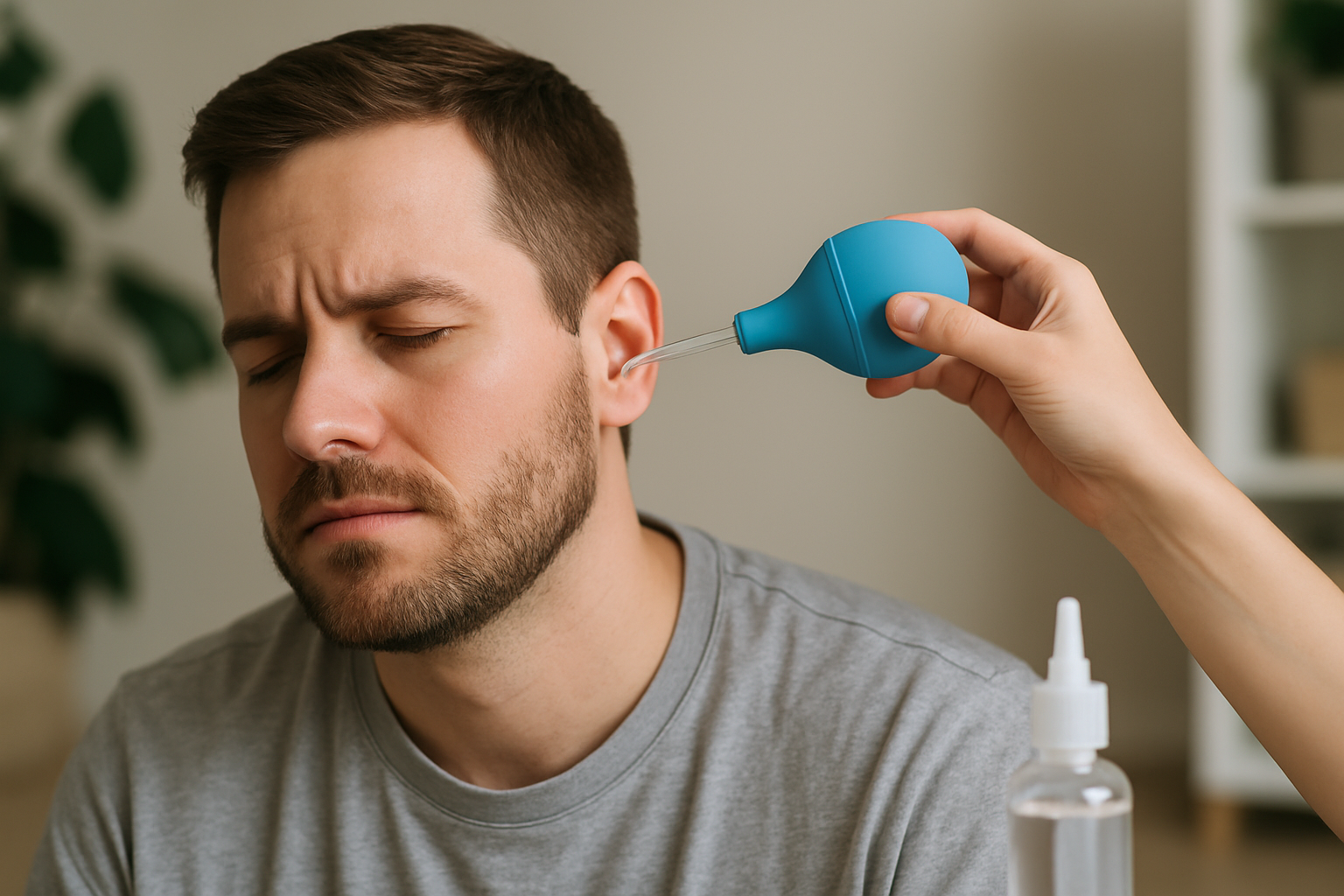
Are At Home Ear Cleaning Kits Safe? Find Out Here
Have you ever wondered, ‘Are at home ear cleaning kits safe?’ With the growing popularity of DIY health solutions, many individuals are turning to these kits in hopes of maintaining ear hygiene. However, the safety and effectiveness of such methods can be questionable. As an expert in ear health, I understand the concerns surrounding ear cleaning—especially when it comes to potential risks and complications. In this article, we will explore the safety of at home ear cleaning kits, discuss the science behind ear wax removal, and provide essential tips for maintaining ear health without the risk of injury. Read on to empower yourself with the knowledge you need for safe ear cleaning practices.
Understanding At-Home Ear Cleaning Kits
At-home ear cleaning kits are designed to help individuals maintain ear hygiene without professional assistance. These kits typically include tools like earwax removal drops, syringes for flushing, and soft earwax removal tools. While they can be convenient, it is essential to understand how they work and their potential risks. Earwax, or cerumen, serves a protective function by trapping dirt and debris, so the need for removal must be evaluated carefully. Improper use of these kits can lead to complications such as ear infections or damage to the ear canal.
Components of At-Home Ear Cleaning Kits
At-home ear cleaning kits generally consist of various components aimed at easing earwax removal. Common items include softening drops that help dissolve earwax, bulb syringes designed to flush out softened wax, and specialized tools that can aid in manual extraction. Understanding how each component works is critical to ensuring safe usage and avoiding potential damage to the ear.
How Earwax Functions
Earwax plays a crucial role in ear health, acting as a natural barrier to dust, debris, and microorganisms. It also helps to moisturize the ear canal, preventing dryness and irritation. Before using any at-home cleaning kit, it’s vital to consider whether the earwax buildup is significant enough to warrant intervention. Regular cleaning is usually unnecessary, as the ear is self-cleaning to some degree.
💡 Always consult a healthcare professional before using at-home ear cleaning kits
💡 Avoid inserting objects into the ear canal
Safety Considerations for At-Home Ear Cleaning
While at-home ear cleaning kits can offer a convenient solution for earwax buildup, safety should be the primary concern. Misuse of these kits can lead to complications such as perforated eardrums, infections, or impacted wax. It is essential to follow instructions carefully and recognize signs that may indicate a need for professional intervention. If discomfort, persistent earache, or hearing loss occurs, seeking professional help is crucial.
Potential Risks of Using Ear Cleaning Kits
Using at-home ear cleaning kits can pose several risks if not used correctly. Potential issues include perforation of the eardrum, which can lead to hearing loss or chronic infections. Moreover, improper cleaning can push wax deeper into the ear canal, resulting in impaction. Understanding these risks can guide users to make informed decisions about their ear health.
Signs You Should Avoid At-Home Cleaning
Certain symptoms indicate that at-home ear cleaning may not be advisable. If you experience pain, discharge, or significant hearing loss, it’s best to refrain from using any ear cleaning kit and consult a healthcare professional. Additionally, individuals with a history of ear problems should approach ear cleaning with caution and seek professional advice before attempting to clean their ears at home.
💡 Read all instructions carefully before use
💡 Limit the frequency of ear cleaning
Understanding the Safety of At-Home Ear Cleaning Kits
At-home ear cleaning kits have gained popularity, but their safety is often questioned. These kits typically include tools such as ear drops, syringes, and cotton swabs. While they can be effective for some, improper use can lead to complications such as earwax impaction or damage to the ear canal. It’s crucial to understand how to use these tools safely and when to seek professional help. Always follow instructions carefully and avoid using kits if you have existing ear conditions.
Common Risks Associated with Ear Cleaning Kits
Using at-home ear cleaning kits poses risks like perforating the eardrum or introducing bacteria into the ear. Tools like cotton swabs can push wax deeper, leading to blockages. Additionally, aggressive cleaning can irritate the sensitive skin of the ear canal, causing inflammation or infection. Understanding these risks helps users make informed decisions about their ear cleaning practices.
When to Seek Professional Help
If you experience symptoms like hearing loss, pain, or persistent ringing in the ears, it’s essential to consult a healthcare professional. These symptoms may indicate an underlying condition that requires medical intervention. Moreover, individuals with conditions such as diabetes or a weakened immune system may be at higher risk and should avoid at-home cleaning altogether.
💡 Always read the instructions carefully before using any ear cleaning kit.
💡 Avoid using cotton swabs, as they can push wax further into the ear canal.
💡 Consult a healthcare professional if you have existing ear conditions or experience discomfort.
Best Practices for Safe Ear Cleaning at Home
To ensure that at-home ear cleaning is safe, it’s essential to adopt best practices. Start with understanding your ear health and recognizing the signs of excess wax buildup. If you decide to use a kit, choose one that is designed for your specific needs and follow the guidelines closely. Regularly cleaning your ears is generally unnecessary; the ears are self-cleaning, and excessive cleaning can lead to irritation.
Identifying Excess Wax Buildup
Signs of excess wax include hearing muffled sounds or a sensation of fullness in the ear. If you notice these symptoms, consider using a gentle ear cleaning method. It’s important not to attempt cleaning if you have pain, as this may indicate an infection or other serious condition that needs medical assessment.
Techniques for Safe Ear Cleaning
Use ear drops formulated for earwax removal as a first step. These can help soften wax and make it easier to remove. If using a syringe, ensure it’s filled with warm water, and gently squirt it into the ear while tilting your head. After cleaning, be sure to dry your ears carefully to prevent moisture buildup, which can lead to infections.
💡 Limit ear cleaning to once a month unless recommended otherwise by a healthcare provider.
💡 Use warm water and gentle pressure when rinsing the ears to prevent damage.
💡 Keep your ear cleaning tools clean to reduce the risk of infection.
EXPERT TIPS Pro Advice
Regularly monitor your ear health.
Staying aware of changes in hearing or discomfort can help you catch potential issues early, allowing for timely intervention.
Be cautious about who uses at-home kits.
Children and individuals with existing ear conditions should avoid at-home cleaning unless supervised by a healthcare professional.
Consider alternative cleaning methods.
Using a damp cloth to clean the outer ear is often sufficient, reducing the need for more invasive cleaning techniques.
Educate yourself on ear anatomy.
Understanding the structure of your ears can help you recognize when something feels wrong, guiding better health decisions.
Always prioritize safety over convenience.
If you’re unsure about using a kit, it’s better to consult a professional than risk injury to your ears.
Frequently Asked Questions
Conclusion
At home ear cleaning kits can be safe if used properly, but caution is essential. Risks include ear damage and infections, with proper technique being crucial. Consult a healthcare provider for personalized guidance, especially if experiencing ear health issues.
🎯 Key Takeaways:
- Use at home ear cleaning kits sparingly.
- Follow instructions carefully to avoid injury.
- Consult a doctor if experiencing ear issues.
- Be aware of potential risks, including infections.
Expert Advice: Prioritize your ear health by using at home cleaning kits wisely and consider professional assistance when necessary. Regular check-ups can help maintain optimal ear hygiene.
Take a moment to assess your ear health and consult a healthcare provider if you have concerns.
Leave a Reply