
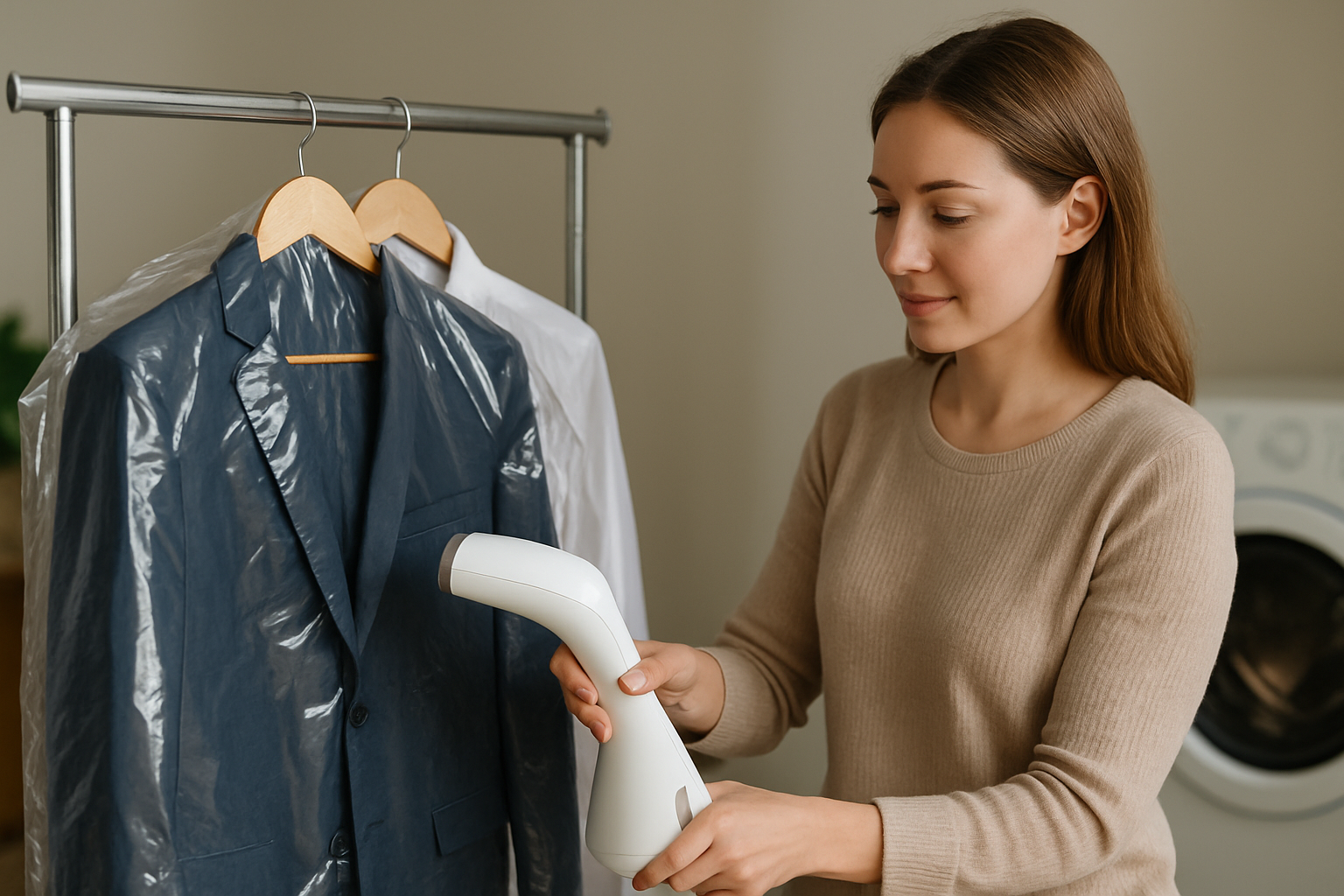
Can I Do Dry Cleaning at Home? Learn How to Do It Right
Have you ever wondered, can I do dry cleaning at home? Many people face the challenge of maintaining delicate fabrics without the hassle and expense of professional services. With the right techniques and tools, you can achieve results similar to a dry cleaner, all from the comfort of your home. In this article, we will explore various home dry cleaning methods, tips for success, and common pitfalls to avoid. Whether you’re looking to save money or simply prefer a DIY approach, this comprehensive guide will equip you with the knowledge to care for your clothes effectively and safely.
Understanding Home Dry Cleaning
Dry cleaning is a method of cleaning clothes without water, using solvents to remove stains and dirt. Many people wonder, ‘can I do dry cleaning at home?’ The answer is yes, but it’s essential to understand the process and requirements. Home dry cleaning kits are available, designed to mimic professional methods. However, effective home dry cleaning depends on fabric type, stain nature, and the specific kit used. Knowing these factors can help ensure successful cleaning without damaging your garments.
What is Dry Cleaning?
Dry cleaning involves using non-water-based solvents to clean fabrics. This process helps preserve the texture and color of delicate materials that may be harmed by traditional washing methods. It is particularly beneficial for clothing made from silk, wool, and certain synthetics, which can shrink or lose their shape when washed in water.
Home Dry Cleaning Kits
Home dry cleaning kits typically include a stain remover, a cleaning bag, and dryer-activated cleaning cloths. These kits are designed to replicate the dry cleaning process in a safe and convenient manner. While they can effectively clean light stains and odors, they may not be as powerful as professional services for deep stains.
Suitability of Fabrics
Not all fabrics are suitable for home dry cleaning. It’s crucial to check garment labels for care instructions. Fabrics like cotton and polyester can usually withstand machine washing, while delicate items such as chiffon or sequins may require professional attention. Understanding fabric types will help you make informed decisions.
Key Points:
- Dry cleaning uses solvents instead of water
- Home kits can replicate the process but may have limitations
- Always check fabric care labels before attempting home dry cleaning
Steps to Dry Clean at Home
If you’ve decided to try dry cleaning at home, it’s essential to follow specific steps to ensure the best results. Start by preparing your garments and identifying stains. Next, use a home dry cleaning kit as per the instructions. Be cautious with timing and temperature settings on your dryer to avoid any damage. Finally, allow your clothing to cool down before inspecting the results. This systematic approach can help you effectively clean your items without professional help.
Preparation of Garments
Before starting the dry cleaning process, inspect your garments for any visible stains. Treat these stains with the provided stain remover in your kit. Additionally, check pockets for items and unbutton all buttons to ensure thorough cleaning. Preparing your garments appropriately can significantly affect the final outcome.
Using the Cleaning Kit
Follow the instructions provided with your home dry cleaning kit closely. Place your garments in the cleaning bag along with the dryer cloths and secure it. Set your dryer to the recommended temperature and time settings. These instructions are crucial for achieving effective cleaning without damaging your clothes.
Post-Cleaning Inspection
After the dry cleaning cycle is complete, carefully remove the garments and inspect them for stains or odors. If necessary, you can repeat the process or address remaining stains with spot treatment. Allow the clothes to air out before wearing them to ensure any residual solvent evaporates.
Key Points:
- Inspect garments and treat stains before cleaning
- Follow kit instructions for best results
- Check and air out clothes post-cleaning to remove any residual odors
Understanding the Dry Cleaning Process
Dry cleaning is a cleaning method that uses solvents instead of water to remove dirt and stains from fabrics. The process is particularly effective for delicate materials that may be damaged by water-based cleaning. Understanding how dry cleaning works can help you determine if you can replicate the process at home. Key steps include preparing the garments, choosing the right solvent, and using appropriate techniques for stain removal. With the right knowledge, you can safely clean various fabrics without professional assistance.
Preparation of Garments
Before attempting at-home dry cleaning, it’s essential to prepare your garments. Check the care labels for any specific instructions and sort your clothes by color and fabric type. This helps prevent color bleeding and fabric damage. Additionally, remove any accessories like buttons or sequins that could be affected by the solvents. Proper preparation is key to achieving the best results.
Choosing the Right Solvent
Selecting an appropriate solvent is crucial for effective dry cleaning at home. Common options include isopropyl alcohol or specialized dry-cleaning solutions. Test the solvent on a hidden area of the fabric to ensure it does not cause discoloration or damage. Using the right solvent not only preserves the integrity of your garments but also enhances the cleaning effectiveness.
Techniques for Stain Removal
When it comes to stain removal, using the right techniques is vital. Blot stains gently with a clean cloth, starting from the outside and moving inward to prevent spreading. For tougher stains, apply the solvent directly to the stain, allowing it to sit for a few minutes before blotting again. This careful approach helps lift stains without risking damage to the fabric.
Key Points:
- Preparation is key to successful dry cleaning at home.
- Choosing the right solvent can enhance cleaning effectiveness.
💡 Always check garment labels for dry cleaning instructions before attempting at-home cleaning.
💡 Test solvents on a hidden area of the fabric to avoid discoloration.
💡 Use a gentle blotting technique for stain removal to prevent further damage.
Limitations and Considerations of At-Home Dry Cleaning
While home dry cleaning can be effective, it has its limitations. Certain fabrics, like silk and wool, may require professional care due to their delicate nature. Additionally, not all stains can be effectively treated with home methods. It’s important to assess the condition of your garments and the types of stains present before proceeding. Understanding these limitations can help you make informed decisions about cleaning your clothes at home versus seeking professional services.
Fabric Limitations
Not all fabrics are suitable for at-home dry cleaning. Delicate materials such as silk, velvet, or cashmere often require professional cleaning to avoid damage. Always consider the fabric type before deciding to dry clean at home. If you are unsure, it’s safer to seek professional help to prevent irreversible damage to your garments.
Types of Stains
Certain stains, like oil or grease, can be particularly challenging to remove with home methods. While some stains may lift easily, others may require specialized treatment. For persistent stains, professional dry cleaners have access to advanced techniques and solutions that are often more effective than home remedies. Evaluate the types of stains on your clothes before deciding on your cleaning approach.
Potential Risks and Best Practices
At-home dry cleaning carries risks, including fabric damage and ineffective stain removal. To minimize these risks, always follow instructions carefully, use the right solvents, and take your time during the cleaning process. It’s also wise to practice on less valuable items first to build your confidence. By adhering to best practices, you can reduce the chances of damaging your garments.
Key Points:
- Delicate fabrics often require professional care.
- Certain stains may not be effectively treated at home.
💡 Assess the fabric type before deciding on at-home dry cleaning.
💡 Be cautious with tough stains; consider professional cleaning for optimal results.
💡 Practice on less valuable items to gain confidence in your dry cleaning skills.
EXPERT TIPS Pro Advice
Understanding fabric care labels is essential.
Care labels provide vital information about the best cleaning methods for your garments, helping you avoid damage.
Consider the environment when using solvents.
Venting and cleaning in a well-ventilated area reduces exposure to harmful fumes while maintaining safety.
Keep a cleaning journal for monitoring results.
Tracking methods and outcomes helps refine your at-home dry cleaning techniques and avoid repeating mistakes.
Invest in quality cleaning tools.
Using high-quality tools, like soft brushes and clean cloths, enhances the cleaning process and protects fabrics.
Frequently Asked Questions
Conclusion
Home dry cleaning can be a convenient and cost-effective solution for maintaining your garments. By understanding which fabrics are suitable, how to properly clean them, and the associated risks, you can effectively manage your wardrobe. Always take care to follow instructions for the best results.
🎯 Key Takeaways:
- Home dry cleaning is possible with the right kits.
- Test fabrics and stains before cleaning.
- Follow instructions closely to avoid damage.
- Clean items only when necessary to preserve fabric.
- Be aware of the risks involved in home cleaning.
Expert Advice: Approach home dry cleaning with caution, following guidelines for fabric care. If in doubt, consult a professional cleaner to avoid potential damage to valuable garments.
Consider trying home dry cleaning for your next laundry session and see how it works for you!
Leave a Reply