
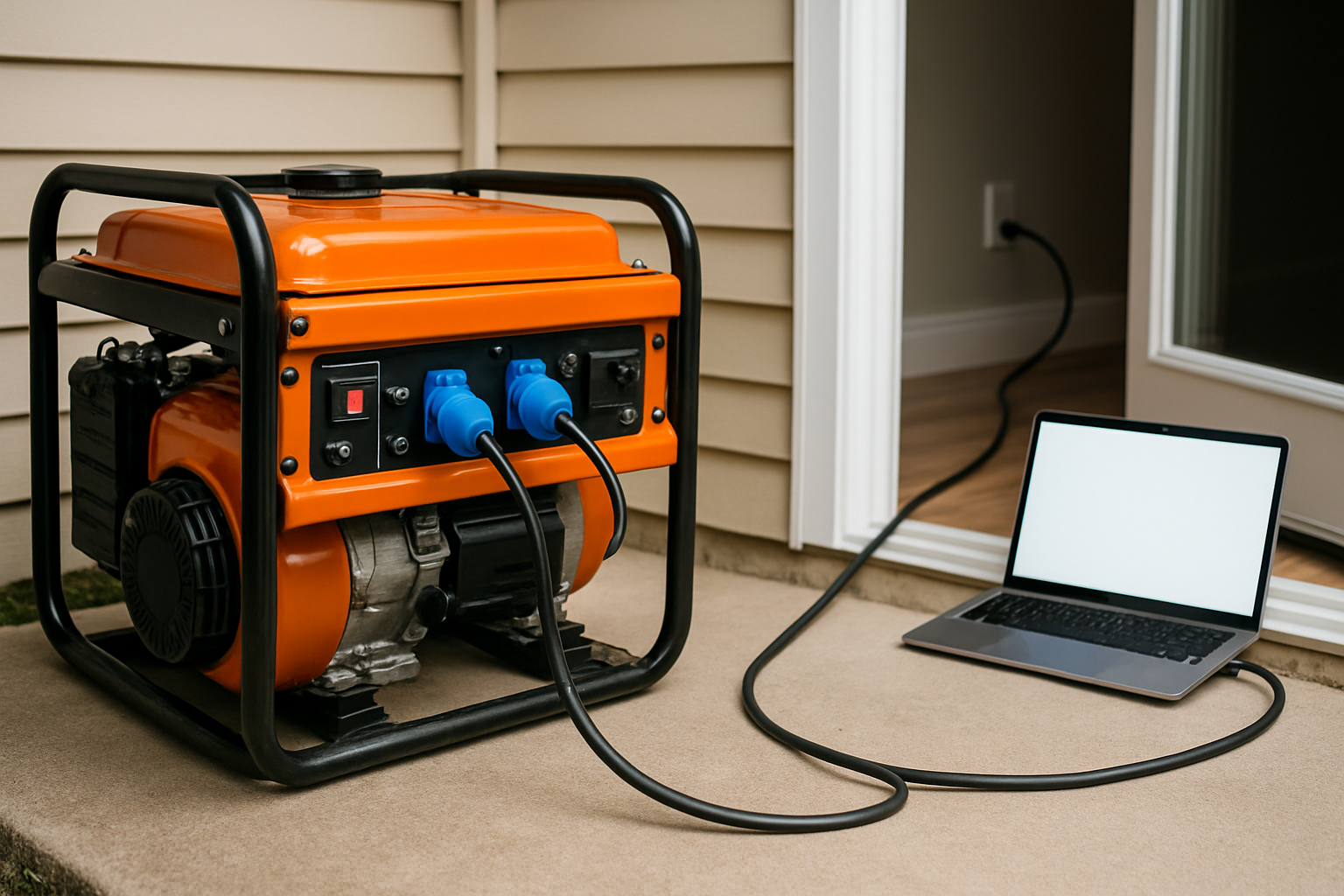
Are Home Generators Safe for Electronics? Essential Insights
Have you ever wondered if using a home generator could potentially harm your valuable electronics? In today’s world, where we heavily rely on electronic devices, understanding the safety of power sources is crucial. Home generators can provide essential backup power during outages, but they also carry risks if not used properly. As an expert in home energy solutions, I will guide you through the critical aspects of generator safety for electronics. In this article, you will learn about the potential risks, how to protect your devices, and best practices to safely use generators without damaging your expensive electronics.
Understanding Home Generators and Their Functionality
Home generators provide backup power during outages, converting fuel into electrical energy. They come in various types, including portable and standby models, each designed for specific uses. Understanding how these generators function is crucial for assessing their safety regarding electronics. Generators produce alternating current (AC) power, similar to the electricity supplied by utility companies. However, the quality of this power can vary significantly, affecting its compatibility with sensitive electronics. It’s essential to know the generator’s output capacity, voltage, and frequency to ensure it aligns with your electronic devices’ requirements.
Types of Home Generators
Home generators primarily fall into two categories: portable and standby. Portable generators are versatile and can power appliances on-the-go but require manual setup. Standby generators are permanently installed and automatically activate during power outages, providing a seamless transition. Each type has its operational characteristics influencing the safety of connected electronics.
Power Quality and Output
The quality of power generated is vital for electronics safety. Generators can produce ‘dirty’ power with voltage spikes and fluctuations, potentially damaging sensitive devices. It’s crucial to check the Total Harmonic Distortion (THD) level of a generator; lower THD values indicate cleaner power that is safer for electronics. A generator with less than 5% THD is generally considered safe for sensitive equipment.
Key Points:
- Understand different types of generators
- Consider the quality of power output
Risks and Precautions for Electronics Safety
While home generators can be an excellent power source, they pose risks to electronic devices if not used correctly. The primary concern is overvoltage, which can fry circuits within sensitive electronics. Additionally, improper grounding and lack of surge protection can lead to further risks. To mitigate these dangers, it is essential to employ safety measures such as using surge protectors and ensuring correct generator installation. Regular maintenance of the generator also ensures optimal performance and reduces the likelihood of power irregularities that could affect electronics.
Overvoltage and Its Impact
Overvoltage occurs when the voltage output of the generator exceeds what your electronic devices can handle. This can lead to immediate damage or shorten the lifespan of devices. Understanding the voltage requirements of your electronics can help you choose a generator that will not exceed their limits.
Importance of Surge Protectors
Surge protectors act as a buffer between the generator and your electronics, absorbing excess voltage and preventing damage. They are especially important when using portable generators, as they often produce fluctuating power. Investing in a quality surge protector can save you from costly repairs or replacements of sensitive devices.
Key Points:
- Understand the risks of overvoltage
- Utilize surge protectors for added safety
Understanding Generator Output and Electronics
Generators produce alternating current (AC) electricity, which can vary in quality. The output can affect sensitive electronics, making it crucial to understand how to protect them. By ensuring that the generator’s voltage and frequency are stable, you can mitigate risks. Additionally, using an inverter generator can help provide cleaner power by producing a steadier sine wave, which is better suited for electronics. Maintaining the generator regularly ensures optimal performance and minimizes fluctuations that could harm your devices.
Types of Generators
There are various types of generators, including portable, standby, and inverter models. Inverter generators are particularly favorable for electronics since they produce a clean and stable output. Understanding the type of generator you have is essential to determine the level of risk to your electronics.
Voltage Stability
Voltage stability is critical when using generators with sensitive electronics. Fluctuations can lead to damage or malfunction. Regular monitoring of voltage levels, using a multimeter if necessary, can help ensure that the output remains within safe ranges for your devices.
Key Points:
- Inverter generators provide cleaner power suitable for electronics.
- Regular maintenance of generators can prevent dangerous voltage fluctuations.
💡 Always check the generator’s output specifications to ensure compatibility with your electronics. This helps prevent potential damage.
💡 Consider using a surge protector designed for generators to safeguard sensitive devices from voltage spikes.
Protecting Your Electronics During Power Outages
When using a generator during a power outage, it’s essential to take steps to protect your electronics. Unplugging devices when not in use can help prevent damage due to unexpected surges. Additionally, using power strips with built-in surge protection can provide an extra layer of safety. It’s also advisable to avoid overloading the generator, as this can lead to instability in output and potential harm to devices. Understanding the load requirements of your electronics can help in making informed decisions about what to connect.
Unplugging Non-Essential Devices
Unplugging devices that are not in immediate use can significantly reduce the risk of damage from surges. This practice also conserves generator capacity for essential items, ensuring they receive adequate power without overloading.
Using Surge Protectors
Investing in high-quality surge protectors can be a wise decision when connecting electronics to a generator. These devices help absorb excess voltage and protect sensitive components, preserving their functionality during unexpected spikes.
Key Points:
- Unplugging non-essential devices can prevent damage during surges.
- Using surge protectors is crucial for safeguarding sensitive electronics.
💡 Always calculate the total wattage of devices before connecting them to the generator to avoid overload.
💡 Use dedicated circuits for high-powered devices to prevent fluctuations that could damage sensitive electronics.
EXPERT TIPS Pro Advice
Regularly check generator maintenance schedules.
Routine maintenance ensures your generator operates efficiently and reduces the risk of voltage fluctuations that could harm electronics.
Consider a transfer switch for home generators.
A transfer switch ensures safe and stable connections between the generator and home power, protecting electronics from potential damage.
Monitor load capacity continuously.
Keeping track of total load on the generator helps prevent overload, which can lead to unstable power output that may harm electronics.
Frequently Asked Questions
Conclusion
Home generators can safely power electronics if used properly. Utilizing inverter generators, employing surge protectors, and ensuring proper grounding are key measures to protect sensitive devices. Always follow safety guidelines to prevent hazards such as backfeeding and carbon monoxide poisoning.
🎯 Key Takeaways:
- Use inverter generators for sensitive electronics.
- Always connect through a transfer switch.
- Employ surge protectors for added protection.
- Ensure proper grounding to prevent electrical shock.
Expert Advice: Prioritize safety and proper equipment when using home generators to protect your electronics and ensure smooth operation during outages.
Evaluate your home energy needs and consider best practices for generator use to safeguard your electronics.
Leave a Reply