
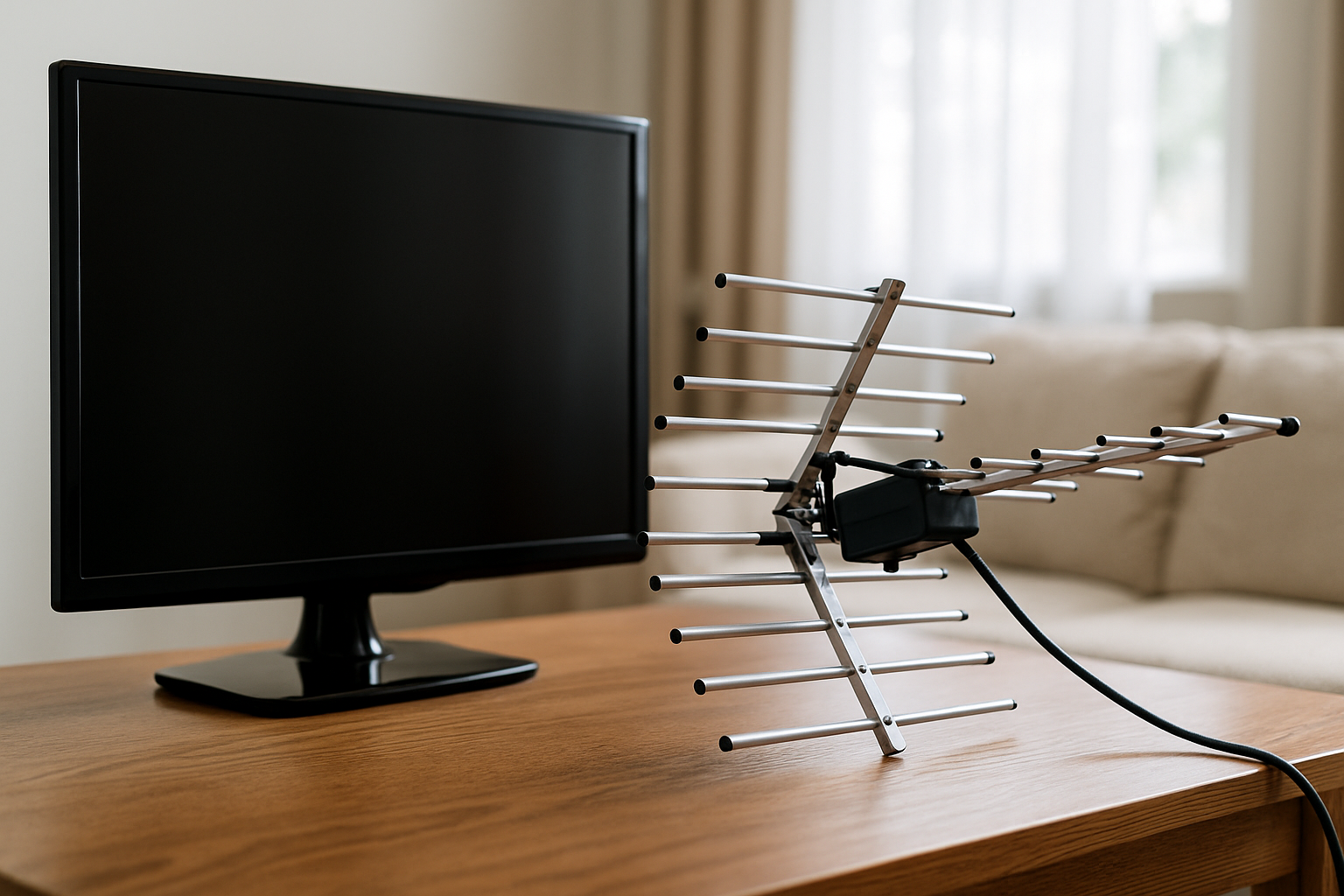
Are TV Antennas Listed Under Home Consumer Electronics? Find Out Now
Have you ever wondered if TV antennas fall under the category of home consumer electronics? With the rise of digital streaming and smart TVs, understanding the classification of various devices in our homes is crucial. TV antennas play a significant role in receiving signals for over-the-air broadcasts and are a vital component for many households looking to cut the cord. In this article, we’ll explore the definition of consumer electronics, how TV antennas fit into this category, and the benefits they offer. By the end, you’ll have a clear understanding of the importance of TV antennas in the realm of home technology.
Understanding Home Consumer Electronics
Home consumer electronics encompass a wide range of devices designed for personal use in the home, primarily for entertainment and information purposes. This category includes televisions, audio systems, streaming devices, and more. The primary function of these devices is to enhance the user experience by providing access to media content, such as television shows, movies, music, and gaming. The rise of digital technology has significantly influenced this sector, making devices more interconnected and user-friendly. TV antennas, often overlooked, play a crucial role in this ecosystem by facilitating access to over-the-air broadcast signals, thereby allowing users to enjoy free television programming without a subscription.
Defining Consumer Electronics
Consumer electronics are typically defined as electronic devices intended for everyday use by the general public. These devices are designed for entertainment, communication, and information processing. Common examples include smartphones, laptops, gaming consoles, and televisions. The growing trend of smart home technology has further expanded this category, integrating more devices and enhancing user interaction. TV antennas fit into this framework as essential tools for receiving broadcast signals, thus contributing to the broader consumer electronics landscape.
The Role of TV Antennas
TV antennas are devices that receive television signals transmitted over the air. They can capture both analog and digital signals, allowing users to access local channels without the need for cable or satellite services. The adoption of digital broadcasting has revitalized interest in antennas, as many households seek cost-effective ways to enjoy quality television content. Antennas can be indoor or outdoor, with varying designs and capabilities, depending on geographic location and signal strength.
Key Points:
- Home consumer electronics include devices for entertainment and information.
- TV antennas are vital for accessing over-the-air broadcast signals.
TV Antennas and Their Classification
While TV antennas may not always be at the forefront of consumer electronics discussions, they are indeed classified under this category. This classification arises from their function in enhancing the viewing experience and providing access to essential media content. As consumer electronics evolve, the importance of antennas grows, particularly with the shift towards digital broadcasting. Understanding how TV antennas fit into the consumer electronics landscape helps users appreciate their value in modern home entertainment setups. Additionally, as streaming becomes increasingly popular, antennas serve as a complementary solution for those seeking a diverse range of viewing options.
Types of TV Antennas
TV antennas come in various types, including indoor and outdoor models. Indoor antennas are typically smaller and designed for easy installation within the home, making them suitable for urban environments with strong signals. Outdoor antennas, on the other hand, are larger and can capture signals from greater distances, which is ideal for rural areas. Each type has its advantages and disadvantages, depending on factors like location, signal availability, and viewer preferences.
The Importance of Antennas in Modern Viewing
In an era when streaming services dominate, TV antennas still hold significant importance. They provide access to local broadcast channels, which can include news, sports, and entertainment programming. This is particularly valuable for viewers who want to avoid subscription fees while still enjoying high-quality content. Antennas also enable users to receive signals in high definition, further enhancing the viewing experience.
Key Points:
- TV antennas are classified as home consumer electronics.
- Different types of antennas serve varying needs based on location and signal strength.
Understanding TV Antennas in Consumer Electronics
TV antennas play a crucial role in home consumer electronics, primarily for receiving over-the-air television signals. These devices convert radio waves into audio and video signals, allowing viewers to access local channels without a cable subscription. While many consumers may overlook antennas, they are essential for those seeking a cost-effective way to enjoy high-quality broadcasts. Understanding their function and value is fundamental for anyone considering how to enhance their home entertainment setup.
Types of TV Antennas
There are primarily two types of TV antennas: indoor and outdoor. Indoor antennas are compact and designed for convenience within the home, while outdoor antennas are larger and typically installed on rooftops to capture signals from greater distances. Each type has its advantages, and the choice largely depends on location, available channels, and building materials that may obstruct signals.
Antennas vs. Streaming Services
While streaming services have gained immense popularity, TV antennas provide a unique advantage by delivering free local channels without a subscription fee. This makes antennas an attractive option for budget-conscious consumers who still want access to news, sports, and popular network programming. Furthermore, antennas can often deliver better picture quality compared to streaming due to the lack of compression.
💡 Consider your location when choosing an antenna, as signal strength varies by area.
💡 Research local channels available in your area to determine the best antenna type.
💡 Be aware of building materials in your home, which may affect signal reception.
Installation and Usage of TV Antennas
Installing and using a TV antenna effectively requires understanding the optimal placement and setup. The performance of an antenna is heavily influenced by its location, so proper installation is key to maximizing signal strength and clarity. By following best practices, users can ensure they get the most out of their antenna, making it an integral part of their home entertainment system.
Optimal Placement Strategies
For the best reception, antennas should be placed where they can have a clear line of sight to broadcast towers. This often means positioning the antenna near windows or higher up in the home. Experimenting with different locations can lead to improved signal quality, so taking the time to find the best spot is worthwhile.
Fine-Tuning Signal Reception
Once the antenna is installed, it’s important to fine-tune the reception. This can involve adjusting the angle and direction of the antenna to see which position yields the strongest signal. Many television sets have a signal strength meter that can assist in this process, helping users to find the optimal setup.
💡 Use a smartphone app to locate nearby broadcast towers for optimal antenna direction.
💡 Regularly check and adjust your antenna positioning, especially if you experience changes in signal quality.
💡 Keep the antenna clean and free from obstructions to maintain the best reception.
EXPERT TIPS Pro Advice
Understand your local broadcast landscape.
This matters because different areas have varying signal strengths and available channels, influencing your antenna choice and placement.
Invest time in research before buying an antenna.
Knowing the types of antennas suitable for your environment can save you money and improve your viewing experience.
Consider a signal amplifier if necessary.
This can enhance weak signals, especially in areas far from broadcast towers, ensuring a better viewing experience.
Regularly scan for channels after moving your antenna.
This helps to capture any new channels that may become available or improve as you adjust your setup.
Stay informed about changes in local broadcasting.
Channel allocations can change, so being aware of local broadcasting news can help you maintain optimal reception.
Frequently Asked Questions
Conclusion
In summary, TV antennas are a viable option for accessing free television channels, offering an alternative to cable services. Understanding how they work, their installation requirements, and the importance of location can enhance your viewing experience. Explore types and options that suit your needs.
🎯 Key Takeaways:
- TV antennas provide free access to local broadcasts.
- Placement and location affect signal quality.
- Most modern TVs can connect directly to antennas.
- Different types of antennas cater to various reception needs.
Expert Advice: Consider your viewing habits and location when selecting a TV antenna. Research local broadcast availability to maximize your channel options, ensuring you get the most out of your antenna purchase.
Explore your options and make an informed choice about using a TV antenna for your home entertainment needs.
Leave a Reply