
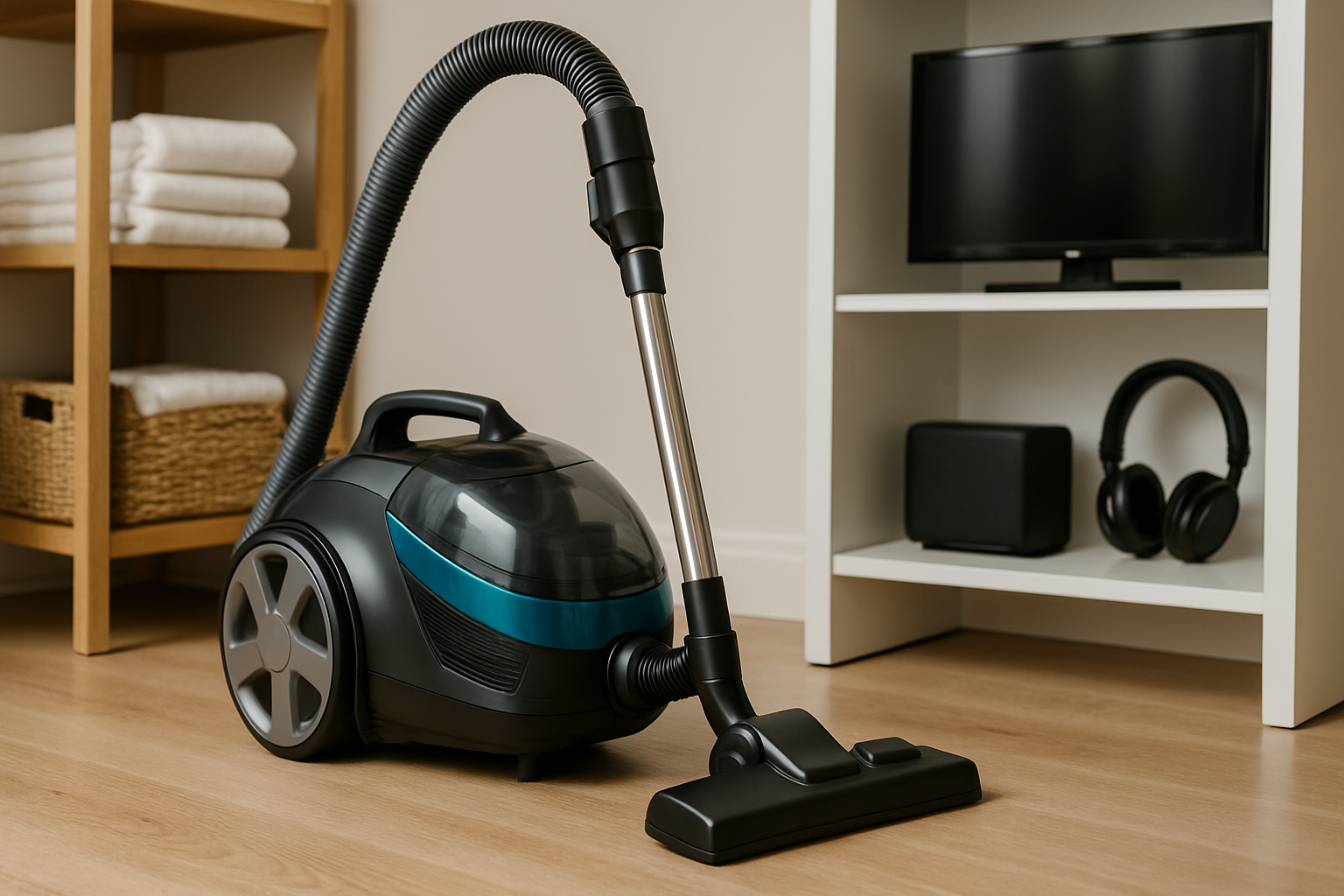
Are Vacuums Home Goods or Electronics? Understand the Differences
Have you ever wondered if vacuums are categorized as home goods or electronics? This distinction not only affects how we view these essential cleaning devices but also influences purchasing decisions and consumer expectations. With over 15 years of expertise in analyzing household products, I will clarify this classification and explore the implications it has on consumers. In this article, you will learn about the characteristics that define vacuums, the differences between home goods and electronics, and how these categories influence functionality and design. Join me as we unravel the debate surrounding vacuums and their rightful place in our homes.
Understanding the Classification of Vacuums
To determine whether vacuums are classified as home goods or electronics, we need to explore their function and design. Vacuums serve the primary purpose of cleaning, which aligns them closely with home goods. However, the technology involved in their operation introduces an electronic component that complicates this classification. Many modern vacuums incorporate advanced features such as sensors, automated cleaning modes, and smart connectivity, which are hallmarks of electronic devices. Therefore, the classification can vary based on the specific type of vacuum and its features.
Defining Home Goods
Home goods encompass a broad range of items that enhance the functionality and aesthetics of living spaces. This category typically includes furniture, kitchenware, and cleaning supplies. The primary characteristic of home goods is their direct role in household management and comfort, which is where traditional vacuums fit seamlessly. They are essential for maintaining cleanliness, thus placing them firmly within the home goods category.
Defining Electronics
Electronics are devices that rely on electrical circuits to operate, often featuring advanced technology. This category includes appliances like microwaves, televisions, and smartphones. In the case of vacuums, particularly robotic or smart models, the integration of electronics elevates their classification to that of an electronic device. This dual identity as both a cleaning tool and a technological appliance makes vacuums unique.
Key Points:
- Vacuums primarily serve a cleaning function, aligning them with home goods.
- Modern vacuums often incorporate electronic technology, blurring the classification lines.
Types of Vacuums and Their Classifications
The classification of vacuums can also depend on their type. Traditional upright or canister vacuums are largely viewed as home goods due to their straightforward mechanical operation. Meanwhile, robotic vacuums, which utilize sensors and automation, are more often classified as electronics. Understanding this distinction can help consumers make informed decisions about their purchases and how they integrate into their household. Additionally, features such as connectivity to smart home systems further emphasize the electronic classification of certain vacuum models.
Traditional Vacuums
Traditional vacuums, such as upright or canister models, are primarily mechanical devices. They operate with basic electrical functions but do not incorporate advanced technology. Because of their straightforward design and purpose, they fit neatly into the home goods category, serving the essential need for cleanliness without the added complexity of electronics.
Smart and Robotic Vacuums
Smart vacuums and robotic models represent the technological evolution of cleaning devices. They often include features like Wi-Fi connectivity, mobile app control, and advanced navigation systems. These characteristics place them firmly in the electronics category, as they rely on electrical components and software to function effectively. This highlights the dual nature of vacuums in the modern household.
Key Points:
- Traditional vacuums are primarily mechanical and seen as home goods.
- Robotic vacuums incorporate advanced technology, aligning them with electronics.
Understanding the Classification of Vacuums
Vacuums are often debated in terms of their classification as home goods or electronics. Traditionally, home goods are defined as products that contribute to the functionality and aesthetics of a living space, while electronics are devices that operate through electrical power. Vacuums straddle this line, as they serve a practical purpose in home maintenance and are powered by electrical energy. This duality makes them a unique category within household items, often leading to confusion among consumers and retailers alike.
Home Goods Characteristics
As home goods, vacuums contribute significantly to household cleanliness and comfort. They are designed for frequent use, integrating into daily routines. Their aesthetic design can also enhance the look of a storage space, which aligns with the broader category of home goods that emphasize practicality and style.
Electronic Device Features
Vacuums qualify as electronics due to their reliance on electrical systems for function. They incorporate motors, sensors, and sometimes smart technology, which categorizes them within the electronic landscape. This aspect emphasizes their technological advancement and the complexity of their operation, distinguishing them from traditional home goods.
Key Points:
- Vacuums serve both aesthetic and practical roles in the home.
- Their operation relies on electrical systems, qualifying them as electronic devices.
💡 Consider the type of vacuum when evaluating its classification—robot vacuums may lean more towards electronics due to their smart technology.
Implications of Classification on Consumer Choices
The classification of vacuums influences consumer purchasing decisions, warranties, and maintenance expectations. Consumers may prioritize features differently based on whether they view vacuums as home goods or electronics. Understanding this classification can lead to more informed choices, impacting satisfaction and usability. For instance, if viewed as home goods, consumers might focus more on design and ease of storage, while an electronic perspective might emphasize technological features and efficiency.
Consumer Expectations
When consumers view vacuums as home goods, they may prioritize aesthetics and versatility in cleaning capabilities. Conversely, when seen as electronics, there may be heightened expectations for advanced features, such as smart connectivity and energy efficiency. This distinction plays a crucial role in shaping product development and marketing strategies.
Impact on Warranty and Support
The categorization affects warranty terms and customer support. Electronics generally come with more comprehensive warranties due to their complexity. Understanding whether vacuums are classified as home goods or electronics can help consumers choose products that align with their support expectations and service needs.
Key Points:
- Classification impacts consumer expectations and purchase decisions.
- Understanding warranties can help consumers make better-informed choices.
💡 Research warranties carefully—electronics often have more extensive coverage, which can be beneficial for complex devices.
EXPERT TIPS Pro Advice
Evaluate your cleaning needs before purchasing a vacuum.
Understanding your specific requirements—like pet hair or allergy concerns—can guide you toward the right type of vacuum, whether you see it as a home good or electronic device.
Consider future technology developments in vacuums.
As technology evolves, vacuums are likely to become more integrated with smart home systems. Staying informed about these advancements can enhance your purchasing decisions.
Assess the storage space available in your home.
How you classify vacuums may affect your choice based on storage needs—compact models may better suit those viewing them as home goods.
Read reviews focusing on both usability and technology.
Prioritize reviews that discuss the performance of vacuums as both cleaning devices and electronics to gain a balanced understanding of their functionality.
Stay informed about energy efficiency ratings.
Understanding energy efficiency can impact your long-term costs and environmental footprint, making this information crucial regardless of classification.
Frequently Asked Questions
Conclusion
Vacuums serve as both home goods and electronics due to their essential cleaning role and electronic components. Understanding this classification helps inform purchasing decisions, maintenance, and proper use. As technology advances, vacuums will continue to evolve, enhancing home cleaning efficiency.
🎯 Key Takeaways:
- Vacuums are primarily classified as home goods.
- They contain electronic components for enhanced functionality.
- Proper classification affects consumer expectations.
- Maintenance is crucial for optimal vacuum performance.
- Consider technology features when purchasing a vacuum.
Expert Advice: Stay informed about the latest vacuum technologies and understand their classifications to make better purchasing decisions. Regular maintenance is key to keeping your vacuum running efficiently.
Explore more about vacuum options and maintenance tips to ensure your home stays clean and comfortable.
Leave a Reply