What is the Best Home Camera Security System? Complete Guide
Are you feeling uncertain about the safety of your home? With an alarming increase in property crimes, understanding what is the best home camera security system has become crucial for homeowners. As an expert in home security, I will guide you through the essential features and considerations that make up an effective camera security system. In this article, you will learn about various types of systems available, key features to look for, and how to assess your specific security needs. By the end of this guide, you will be equipped with the knowledge to make an informed decision and enhance your home’s security effectively.
Understanding Home Camera Security Systems
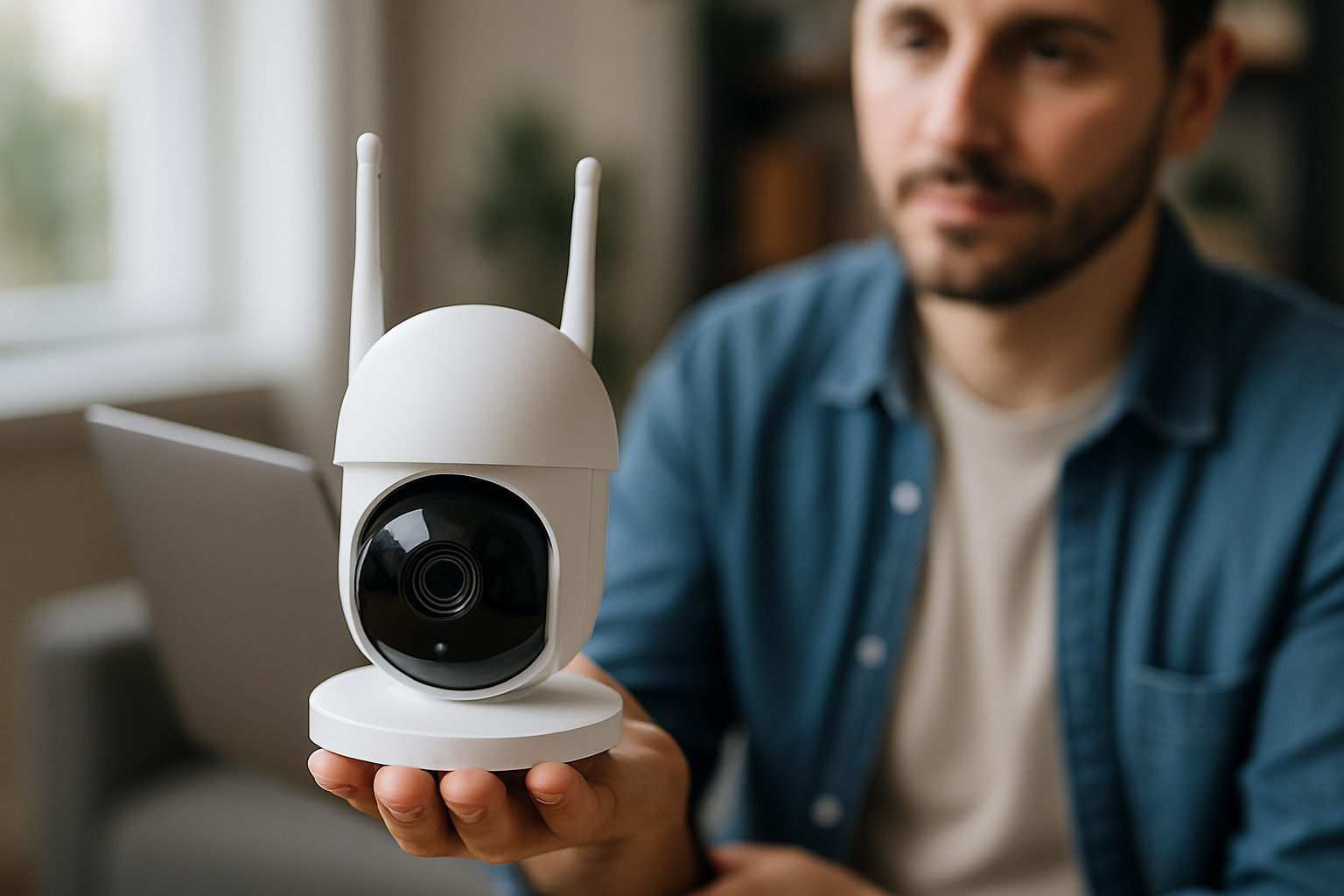
Home camera security systems are crucial for residential safety, providing surveillance and monitoring to deter crime and ensure peace of mind. These systems typically include various types of cameras that can be strategically placed around a property. They can be wired or wireless, with options for indoor and outdoor use. The right system not only enhances security but also allows homeowners to monitor their property remotely, thanks to advancements in technology. Home camera systems can include features like motion detection, night vision, and cloud storage for recorded footage, making them versatile tools for enhancing home security.
Types of Home Camera Security Systems
There are primarily two types of home camera security systems: wired and wireless. Wired systems offer stable connections and are less prone to interference but require professional installation. Wireless systems are easier to install and can be repositioned easily, but they may face connectivity issues. Additionally, there are indoor cameras designed for monitoring living spaces and outdoor cameras built to withstand the elements and provide a broader view of the property.
Key Features to Look For
When selecting a home camera security system, consider essential features such as resolution, field of view, and night vision capability. High-resolution cameras provide clearer images, while a wider field of view enables more comprehensive monitoring. Night vision is crucial for detecting activity in low-light conditions. Many systems also offer motion detection alerts, allowing homeowners to respond quickly to potential security breaches.
Key Points:
- Home camera systems enhance residential security.
- Key features include resolution, field of view, and night vision.
Evaluating Your Security Needs
Before choosing a home camera security system, it’s essential to evaluate your specific security needs. Consider factors such as the size of your property, the areas requiring surveillance, and your budget. An effective assessment of these elements will help you select the most appropriate system tailored to your requirements. Additionally, understanding your lifestyle can influence your choice, as some systems offer advanced features suited for busy households or frequent travelers. By identifying your unique needs, you can ensure that your investment in a security system provides maximum protection and peace of mind.
Assessing Property Layout
Take a close look at your property layout to determine the best locations for camera installation. Identify entry points such as doors and windows, as well as high-traffic areas. Consider the visibility of these locations to ensure that cameras can capture clear images of any potential intruders. The more strategically you place your cameras, the more effective your security system will be.
Budget Considerations
Establishing a budget is crucial when selecting a home camera security system. Prices can vary significantly based on features and technology. While it may be tempting to opt for the cheapest option, investing in a reliable system with essential features can save you money in the long run by preventing theft and damage. Factor in costs for installation, maintenance, and any additional features you may desire.
Key Points:
- Evaluate property layout for optimal camera placement.
- Establish a budget that accounts for features and installation.
Understanding Home Camera Security Systems
Home camera security systems are vital for ensuring the safety of your property. These systems can include wired or wireless cameras, motion sensors, and remote viewing capabilities. When choosing the best system, consider factors such as resolution, field of view, and night vision capabilities. A high-resolution camera provides clearer images, which can be crucial for identifying intruders. Additionally, a wide field of view allows for monitoring larger areas, reducing blind spots. Night vision is essential for capturing footage in low-light conditions, enhancing security during nighttime hours.
Types of Camera Systems
There are various types of home camera systems available, including indoor, outdoor, and doorbell cameras. Indoor cameras are ideal for monitoring living spaces, while outdoor cameras are designed to withstand environmental elements. Doorbell cameras serve a dual purpose, providing security and convenience by allowing you to see and communicate with visitors remotely. Understanding these types can help you determine which systems best suit your needs.
Key Features to Consider
When selecting a home camera security system, look for features such as two-way audio, cloud storage, and motion detection alerts. Two-way audio allows for communication with anyone on your property, enhancing security. Cloud storage provides accessible footage in case of theft, while motion detection alerts notify you of any unusual activities around your home. Evaluating these features can play a significant role in ensuring comprehensive security.
Key Points:
- Resolution and field of view are critical for effective monitoring.
- Consider environmental durability for outdoor cameras.
💡 Evaluate your property layout to choose camera placement effectively.
💡 Prioritize systems with mobile app integration for real-time monitoring.
💡 Check for systems with local storage options to avoid recurring fees.
Installation and Maintenance of Security Systems
Proper installation and maintenance of your home camera security system are crucial for optimal performance. Whether you opt for DIY installation or professional services, ensure that cameras are positioned to cover the most vulnerable areas of your home. Regular maintenance, such as checking camera functionality and cleaning lenses, can prevent issues that may compromise security. Additionally, keeping software updated ensures that your system is protected against vulnerabilities and operates smoothly.
Installation Best Practices
For DIY installation, start by mapping out camera locations based on entry points and high-traffic areas. Make sure cameras are mounted at an appropriate height to avoid tampering while providing a clear view. Always follow manufacturer guidelines for wiring and positioning to ensure optimal functionality. Professional installation can also be considered for complex systems, providing peace of mind.
Routine Maintenance Tips
Regular maintenance should include checking camera angles, ensuring there are no obstructions, and testing connectivity. Clean camera lenses periodically to avoid blurry footage caused by dust or weather. It’s also advisable to review recorded footage regularly to ensure the system is capturing necessary information. Keeping an eye on these aspects helps maintain the integrity of your security system.
Key Points:
- Proper installation enhances coverage and reduces blind spots.
- Regular maintenance is essential for consistent performance.
💡 Use a test run to check camera angles before final installation.
💡 Schedule monthly maintenance checks to ensure system functionality.
💡 Document camera placement and maintenance history for future reference.
EXPERT TIPS Pro Advice
Conduct a security audit before installation.
Assess potential vulnerabilities in your home to determine the best camera placements and features needed for your security system.
Integrate your camera system with smart home devices.
This allows for enhanced automation and remote management, increasing the overall efficiency of your security measures.
Utilize privacy settings effectively.
Adjust settings to ensure that cameras do not infringe on your privacy or that of neighbors, which can help avoid legal issues.
Consider lighting conditions when choosing camera locations.
Areas with poor lighting may require cameras with enhanced night vision capabilities to ensure clear footage at all times.
Review user feedback and installation tutorials.
Learning from others’ experiences can provide valuable insights into common pitfalls and best practices for setting up your system.
Frequently Asked Questions
Conclusion
Choosing the best home camera security system involves considering key features such as video quality, ease of installation, and security measures. Whether opting for DIY or professional installation, it’s crucial to prioritize your specific needs and budget.
🎯 Key Takeaways:
- Prioritize features like resolution, night vision, and motion detection.
- Understand how home camera systems function for effective monitoring.
- DIY installation is possible for many systems, saving costs.
- Regularly update security measures to protect your system.
Expert Advice: Take the time to evaluate your home security needs, and don’t hesitate to research various systems to find the one that best fits your lifestyle and budget.
Start by assessing your home security requirements and exploring available options to enhance your safety.
Leave a Reply