
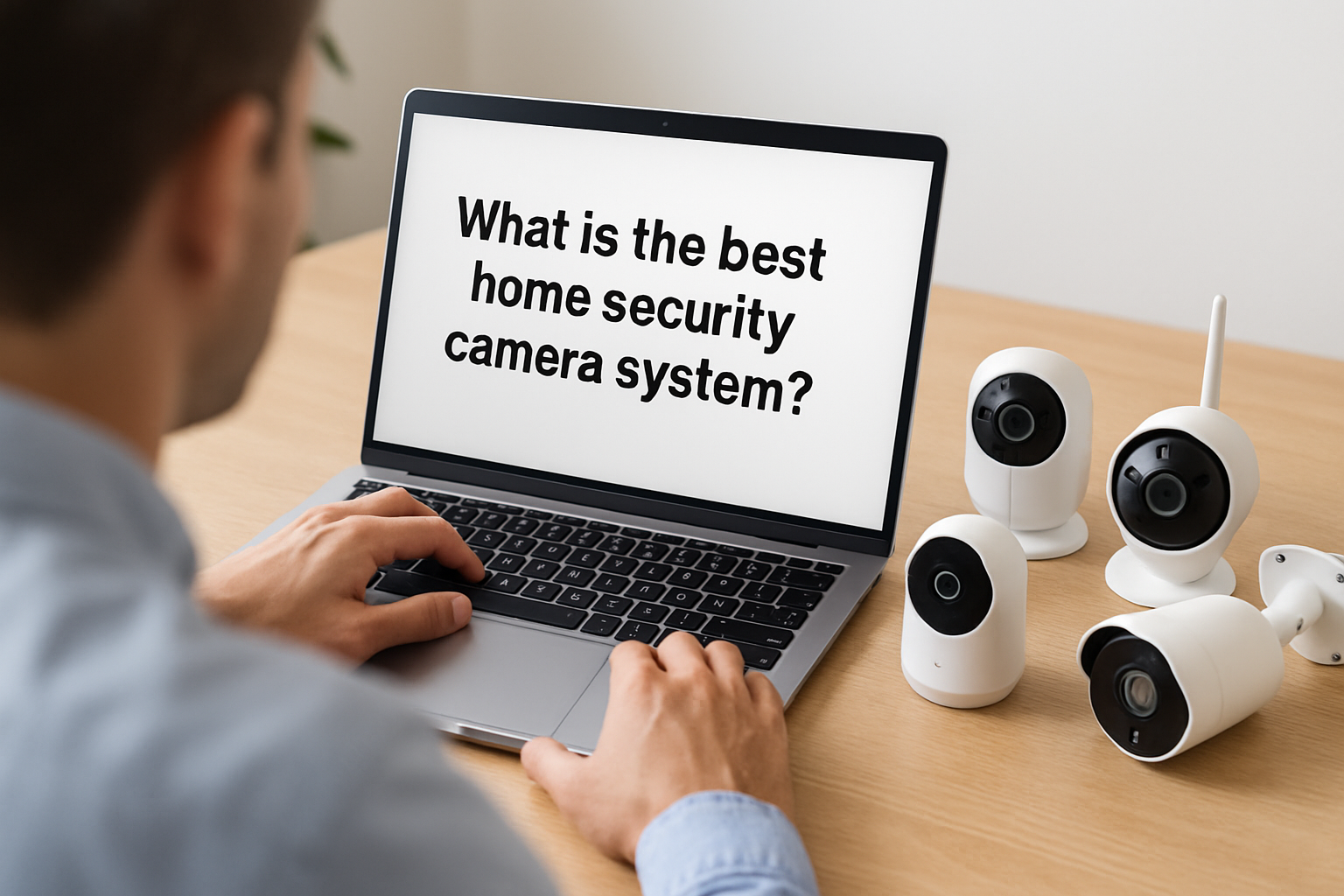
What is the Best Home Security Camera System for Your Needs?
Are you concerned about the safety of your home? With burglary rates rising, many homeowners are asking, ‘what is the best home security camera system?’ Understanding the features and benefits of various systems is crucial in making an informed decision. As a seasoned expert in home security solutions, I will guide you through essential factors to consider, including camera types, installation options, and advanced technologies that enhance security. In this article, you will learn how to evaluate different systems, avoid common pitfalls, and choose a solution that fits your lifestyle and budget.
Understanding Home Security Camera Systems
Home security camera systems are essential tools for enhancing the safety of residential properties. They allow homeowners to monitor their surroundings in real-time and provide crucial evidence in case of security breaches. These systems typically consist of cameras, recording devices, and sometimes cloud storage options. Understanding the basic components and functionalities of these systems is vital for making informed decisions. Factors such as resolution, field of view, connectivity options, and data storage methods should be considered when evaluating different systems. Moreover, assessing the integration capabilities with other home security devices can enhance overall security.
Key Components of a Security Camera System
A typical home security camera system includes several key components: cameras, a recording device (DVR or NVR), and a display monitor. The cameras are the eyes of the system, capturing video footage, while the recording device stores that footage for later review. Displays allow homeowners to view live feeds or recorded footage. Understanding these components helps in choosing a suitable system that meets specific needs.
Types of Security Cameras
There are several types of security cameras to choose from, including indoor, outdoor, wired, and wireless models. Indoor cameras are generally designed to monitor the inside of a home, while outdoor cameras are built to withstand various weather conditions. Wired cameras offer stable connections, while wireless cameras provide flexibility. Understanding the different types can help homeowners select the right fit for their environment.
Key Points:
- Home security camera systems enhance residential safety.
- Key components include cameras, recording devices, and displays.
Evaluating Home Security Camera Systems
When considering what is the best home security camera system, evaluating specific features and capabilities is essential. Important factors include video resolution, night vision capabilities, field of view, motion detection, and two-way audio. High-resolution cameras provide clearer images, while night vision ensures functionality in low-light conditions. A wider field of view allows for better coverage of large areas. Additionally, advanced motion detection features can send alerts to homeowners, enhancing responsiveness to potential threats.
Resolution and Image Quality
The resolution of security cameras directly impacts the clarity of the footage. Common resolutions include HD (720p), Full HD (1080p), and 4K. Higher resolution offers more detail, which can be crucial when identifying faces or license plates. Assessing the image quality helps ensure that the system meets your surveillance needs.
Storage Options and Data Management
Storage options vary between systems, with choices typically including local storage (DVR/NVR) and cloud storage. Local storage is often more cost-effective, while cloud storage offers remote access and automatic backup. Understanding the pros and cons of each option is critical for managing recorded footage and ensuring data security.
Key Points:
- Evaluate features like resolution and night vision.
- Consider storage options for effective data management.
Understanding Home Security Camera Systems
Home security camera systems have become integral for safeguarding properties. They provide real-time monitoring, deter intruders, and offer peace of mind. When determining what is the best home security camera system, consider factors such as resolution, field of view, and night vision capabilities. These features can significantly impact the effectiveness of your surveillance. Additionally, systems can vary in terms of connectivity options, such as wired versus wireless, which may affect installation and maintenance. Understanding these elements will help you make an informed choice tailored to your specific security needs.
Key Features to Consider
When evaluating home security camera systems, prioritize features like video quality and audio capabilities. A minimum resolution of 1080p is recommended for clear images. Field of view is also crucial; wider angles can capture more area. Night vision capabilities ensure that you can monitor your property in low light, enhancing overall security.
Types of Camera Systems
There are primarily two types of home security camera systems: indoor and outdoor. Indoor cameras are designed to monitor inside spaces, while outdoor cameras are weather-resistant and equipped with features like motion detection. Hybrid systems can incorporate both types for comprehensive coverage. Assess your property’s layout to determine which type suits your needs best.
Key Points:
- Choose cameras with at least 1080p resolution.
- Select a system that fits your property layout.
💡 Consider your specific security needs before selecting a system.
💡 Evaluate the installation options available for ease of setup.
Integrating Technology and Features
The best home security camera systems leverage technology for enhanced functionality. Features such as smart alerts, cloud storage, and mobile access can significantly improve your security experience. Smart alerts notify you of unusual activity, while cloud storage allows for easy access to footage from anywhere. Mobile integration enables remote monitoring, giving you peace of mind when you are away from home. Assessing how these technologies fit into your lifestyle will help you choose the right system.
Smart Integration
Consider systems that integrate with smart home devices. This enables comprehensive control, allowing you to manage your security cameras alongside lights, alarms, and locks. Such integration can streamline your home security management while enhancing responsiveness to incidents.
Data Storage Options
Storage options can vary significantly across different systems. Local storage offers direct access to footage, while cloud storage provides off-site backup. Weigh the pros and cons of each to determine which aligns with your security preferences and data accessibility needs.
Key Points:
- Smart integration can enhance your overall security system.
- Choose storage solutions that fit your access and backup needs.
💡 Look for systems with strong encryption for data security.
💡 Opt for a system that allows easy software updates to improve functionality.
EXPERT TIPS Pro Advice
Prioritize camera placement for maximum coverage.
Proper placement of cameras can eliminate blind spots and improve overall security effectiveness. Ensure cameras cover entry points and vulnerable areas.
Regularly update your camera system firmware.
Keeping your firmware up-to-date enhances security features and fixes vulnerabilities. Regular updates ensure your system remains effective against new threats.
Consider power backup solutions.
Power outages can render your system useless. A backup power solution ensures your cameras remain operational during outages, maintaining security.
Utilize motion detection settings wisely.
Adjusting motion detection settings can reduce unnecessary alerts. Fine-tune sensitivity to minimize false alarms while still capturing critical events.
Test your system regularly.
Regular testing ensures your camera system is functioning as intended. Schedule periodic checks to verify camera angles, connectivity, and recording capabilities.
Frequently Asked Questions
Conclusion
Selecting the best home security camera system requires careful consideration of various factors like camera quality, coverage needs, and installation options. Prioritize features that enhance usability and security, ensuring your home is effectively monitored. Understanding your options will lead to a more tailored and effective solution.
🎯 Key Takeaways:
- Assess your property layout to determine camera needs.
- High-resolution cameras provide better identification.
- Cloud storage offers remote access to footage.
- Choose features that integrate with your lifestyle.
- Evaluate wired vs. wireless options based on your setup.
Expert Advice: Invest time in researching and comparing systems to find the right balance of features and price. A well-chosen camera system can significantly enhance your home security and provide peace of mind.
Take the next step by evaluating your home’s security needs and begin researching camera systems that best fit your requirements.
Leave a Reply