
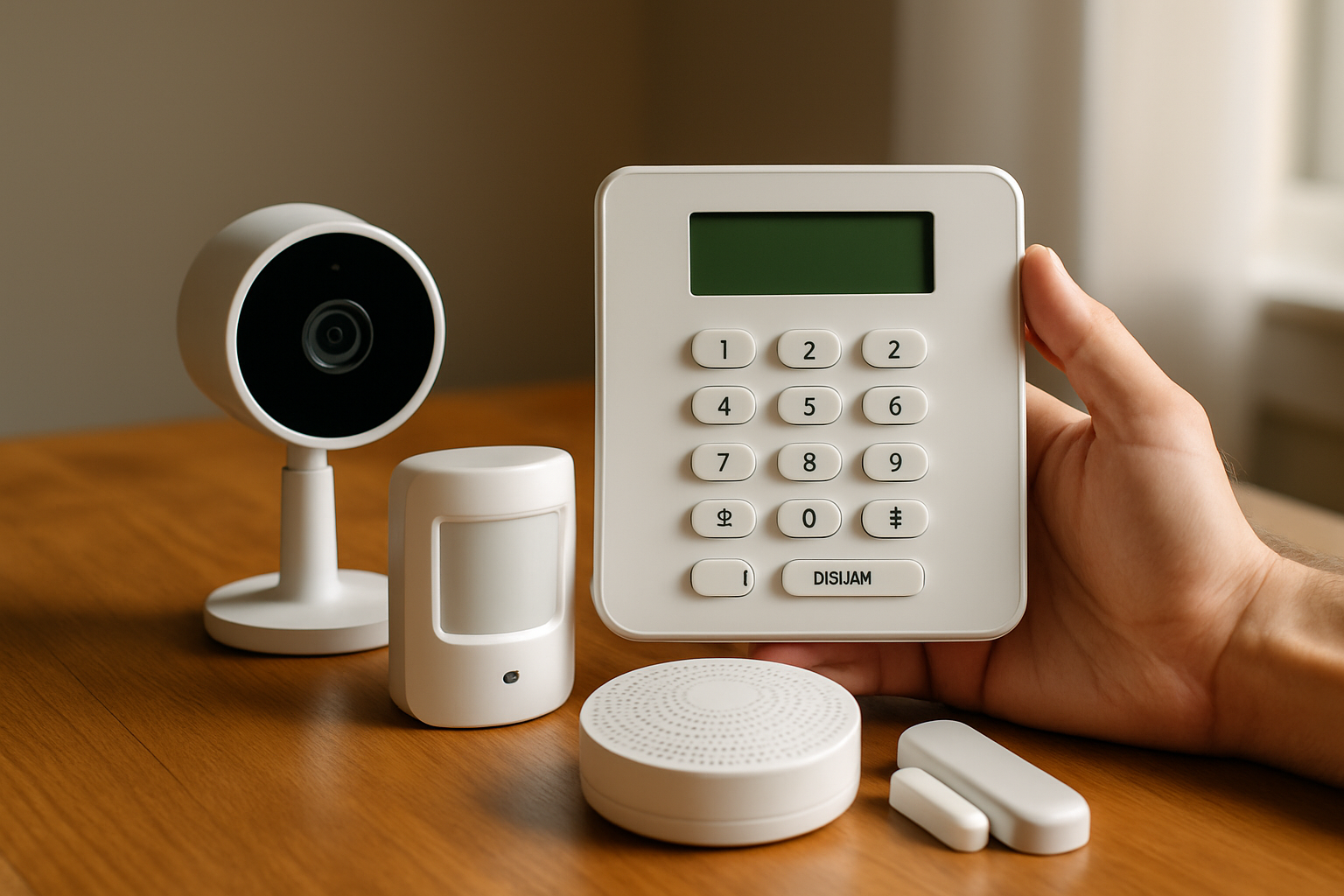
Are you concerned about the safety of your home and loved ones? With rising crime rates, understanding what is the best home security system has never been more crucial. As an expert in home security solutions, I will guide you through the key features and benefits that define the ideal system for your needs. In this article, you’ll learn about the various types of home security systems available, how to assess your specific requirements, and the top considerations when making your choice. Equip yourself with the knowledge to make an informed decision that enhances your home’s safety.
Understanding Home Security Systems
Home security systems are essential for protecting your property and ensuring peace of mind. These systems can vary significantly in complexity and features, ranging from simple alarm systems to comprehensive smart home integrations. The best home security system should be tailored to meet your specific needs, whether it’s safeguarding against burglary, fire, or other emergencies. Evaluating your home’s vulnerabilities and understanding the types of systems available is crucial to selecting the right one for your situation.
Types of Home Security Systems
There are several types of home security systems available. These include monitored systems, which alert a central station; unmonitored systems, which trigger local alarms; and smart systems that integrate with mobile devices. Each type has its advantages and disadvantages, depending on your security needs, budget, and lifestyle.
Key Features to Consider
When choosing a home security system, consider essential features such as motion detectors, door/window sensors, and video surveillance. Additionally, look for smart home integration capabilities that allow you to control and monitor your system remotely. The inclusion of features like environmental sensors for smoke or carbon monoxide detection can also enhance your home’s overall safety.
Key Points:
- Home security systems vary in complexity and features
- Tailor the system to meet your specific security needs
Evaluating Your Home Security Needs
Assessing your home security needs involves a thorough evaluation of your property, lifestyle, and potential risks. Start by identifying vulnerable entry points such as doors and windows, and consider the neighborhood’s crime rate. Understanding your lifestyle can help determine the level of monitoring you require, whether it’s 24/7 professional monitoring or a self-monitored system. This evaluation is critical for selecting a system that provides adequate protection and peace of mind.
Conducting a Security Audit
Performing a security audit involves walking through your home and identifying weak spots. Look for areas with poor lighting, easy access points, and lack of surveillance. Make a list of these vulnerabilities to guide your decisions when selecting a security system. This proactive approach will help in prioritizing the features that are most important for your safety.
Considering Lifestyle Factors
Your daily routine, travel habits, and family dynamics all play a role in your security needs. For instance, if you travel frequently, a system with remote access and alerts may be crucial. Additionally, families with children or pets might prioritize systems that offer safety features such as glass break sensors or pet-friendly motion detectors.
Key Points:
- Assess vulnerabilities and lifestyle to determine security needs
- Conduct a thorough security audit to identify weak points
Understanding Home Security System Types
When considering what is the best home security system, it’s essential to understand the various types available. The primary categories include monitored systems, unmonitored systems, and smart home security systems. Each type has its advantages and considerations that can impact your choice based on your specific needs and lifestyle. Monitored systems involve professional monitoring services, providing immediate response to alerts. Unmonitored systems, on the other hand, rely on the homeowner to respond to alarms, often leading to a lower cost but potentially delayed reaction. Smart home security systems integrate with your existing technology, allowing for remote monitoring and control, but may require a stable internet connection and can sometimes be vulnerable to hacking.
Monitored Security Systems
Monitored security systems are often viewed as the most effective option for home protection. These systems connect to a central monitoring station that responds to alerts, dispatching authorities if necessary. They typically require a monthly subscription fee, which covers 24/7 monitoring. This option is ideal for those who want peace of mind when away from home, knowing that professionals are always on alert.
Unmonitored Security Systems
Unmonitored security systems operate independently, alerting homeowners through alarms or notifications without professional monitoring. They can be cost-effective as they often require no monthly fees. However, the effectiveness relies heavily on the homeowner’s prompt response to alerts. This option suits those who are frequently home or nearby and are comfortable taking immediate action.
Smart Home Security Systems
Smart home security systems are increasingly popular due to their integration with other smart devices in the home. They offer features like remote access via smartphones, real-time alerts, and the ability to control various aspects of your home security from a single app. However, these systems require reliable internet connectivity and can be more complex to set up, making them suitable for tech-savvy users.
Key Points:
- Different types of systems cater to varying needs.
- Monitored systems offer professional assistance, while unmonitored depend on the homeowner.
💡 Evaluate your lifestyle and choose a system that fits your habits.
💡 Consider the potential need for professional monitoring based on your absence from home.
💡 Research local regulations regarding home security systems for compliance.
Key Features to Look for in Home Security Systems
When determining what is the best home security system for your needs, it’s crucial to check for essential features. Look for systems that offer motion sensors, door/window sensors, and surveillance cameras. Motion sensors detect movement and can be set to trigger alarms or notifications, while door/window sensors alert you to unauthorized entries. Surveillance cameras provide visual monitoring and can deter intruders. Additionally, options for remote access, mobile alerts, and integration with smart home devices are advantageous, allowing for more control and convenience.
Motion and Entry Sensors
Motion and entry sensors form the backbone of any effective security system. Motion sensors can detect movement within a designated area, while entry sensors are placed on doors and windows to notify homeowners of breaches. When selecting sensors, consider their range and sensitivity to reduce false alarms while ensuring effective detection.
Surveillance Cameras
Surveillance cameras enhance home security by providing real-time video feeds. Look for features such as night vision, high-definition video, and cloud storage for recorded footage. Cameras with two-way audio allow homeowners to communicate with visitors or deter potential intruders. The placement of cameras should cover all entry points and vulnerable areas.
Smart Integration and Remote Access
Smart integration allows home security systems to work seamlessly with other smart devices, such as smart locks and lights. Remote access through mobile apps enables homeowners to monitor their property from anywhere, receive alerts, and remotely control devices. This feature is particularly valuable for maintaining security while traveling or away from home.
Key Points:
- Essential features include sensors, cameras, and smart integration.
- Evaluate the layout of your home to determine optimal sensor and camera placement.
💡 Prioritize features that align with your security concerns and lifestyle.
💡 Ensure surveillance cameras have adequate coverage to monitor all entry points.
💡 Opt for systems with user-friendly mobile apps for better control and monitoring.
EXPERT TIPS Pro Advice
Conduct a thorough risk assessment of your home.
Understanding your home’s vulnerabilities helps tailor your security system to address specific risks, ensuring a more effective approach.
Keep security systems updated and maintained.
Regular updates and maintenance of your security system prevent malfunctions and ensure that all features are functioning as intended.
Consider redundant systems for added security.
Using multiple layers of security, such as combining alarms with surveillance cameras, provides comprehensive protection and reduces the risk of a single point of failure.
Engage with local law enforcement for advice.
Local authorities can provide insights on crime trends in your area, helping you make informed decisions about your security needs.
Educate your household on security protocols.
Ensuring that everyone in your home understands how to use the security system and what to do in case of an emergency enhances overall safety.
Frequently Asked Questions
Conclusion
Selecting the best home security system involves evaluating your specific needs, budget, and desired features. Key considerations include professional monitoring, installation type, and the inclusion of security cameras. By understanding your options, you can enhance your home’s safety effectively.
🎯 Key Takeaways:
- Assess your security needs based on your home layout.
- Consider both DIY and professional installation options.
- Look for essential features like monitoring and smart integration.
- Evaluate costs including equipment and monthly fees.
- Utilize security cameras for added surveillance and deterrence.
Expert Advice: Prioritize your safety by researching and comparing different systems. Take your time to decide what’s best for your unique situation, ensuring you choose a solution that fits your lifestyle and security requirements.
Start by evaluating your home’s vulnerabilities and researching security options that align with your needs.
Leave a Reply