What is the Best Home Security System with Cameras? Essential Insights
Are you concerned about the safety of your home? Statistics show that homes with security systems are significantly less likely to be targeted by burglars. As an expert in home security solutions, I understand the importance of choosing the right system, especially one that includes cameras for enhanced monitoring. In this article, we will explore what is the best home security system with cameras, examining crucial features, benefits, and factors to consider. By the end, you will have a clear understanding of how to select a system that meets your security needs effectively.
Understanding Home Security Systems with Cameras
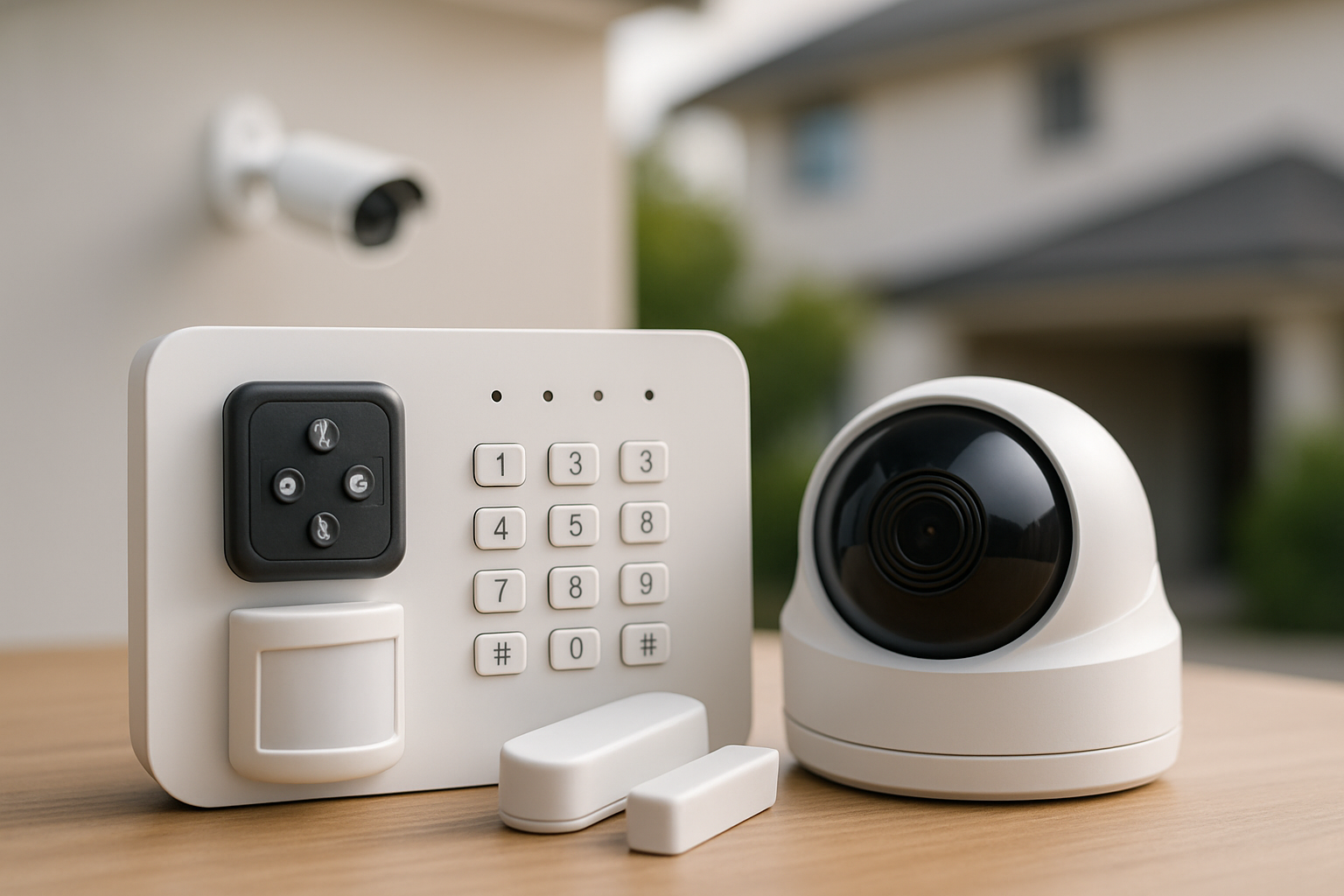
Home security systems with cameras are essential for safeguarding your property and ensuring peace of mind. These systems typically consist of surveillance cameras that monitor various areas of your home, either indoors or outdoors. By integrating these cameras with alarms and sensors, homeowners can create a comprehensive security network that deters intruders and provides valuable evidence in case of incidents. The effectiveness of a home security system lies in its ability to provide real-time surveillance, remote monitoring, and easy accessibility via smartphones or computers.
Types of Security Cameras
There are several types of security cameras available for home use. Indoor cameras are designed to monitor the interior of your home, while outdoor cameras are weatherproof and can withstand various environmental conditions. Additionally, there are wireless cameras that offer flexibility in placement and installation, and wired cameras that provide a stable connection. Understanding the different types of cameras is crucial for selecting the right system for your specific needs.
Key Features to Consider
When choosing a home security system with cameras, consider features such as high-definition video quality, night vision capabilities, motion detection, and two-way audio. These features enhance the system’s functionality, allowing for clearer images and better monitoring. Additionally, cloud storage options for recorded footage and mobile app integration for remote access can significantly improve the usability and effectiveness of your security system.
Key Points:
- Home security systems enhance property safety
- Different types of cameras serve specific monitoring needs
Evaluating the Best Home Security System for Your Needs
Determining the best home security system with cameras involves assessing various factors that align with your unique requirements. Start by evaluating your property layout and identifying vulnerable areas that require monitoring. Consider how many cameras you need based on the size of your home and the areas you want to cover. Furthermore, think about your lifestyle and how often you travel; a system that offers remote access and alerts can provide extra reassurance when you are away.
Budget Considerations
Establishing a budget is a critical step in selecting a home security system. Assess the costs associated with purchasing equipment, installation, and ongoing monitoring services. There are options available for various budget ranges, so it’s essential to find a system that provides the necessary features without overspending. Remember to factor in potential long-term savings from insurance discounts for having an active security system.
Installation and Maintenance
Installation can be a deciding factor in choosing a security system. Some systems offer professional installation, while others are designed for DIY setup. Consider your technical skills and comfort level with technology when making this choice. Additionally, understand the maintenance needs of the system, such as regular updates and camera positioning adjustments, to ensure optimal performance over time.
Key Points:
- Evaluate your property layout for security needs
- Budget and installation options are crucial for decision-making
Understanding Home Security Systems with Cameras
Home security systems with cameras are designed to monitor and protect your property. The best systems integrate various components such as indoor and outdoor cameras, motion sensors, and alarms. When selecting a system, consider factors such as installation ease, camera quality, and remote access capabilities. Systems can be wired or wireless, with wireless options offering more flexibility in placement and ease of installation. Additionally, many modern systems feature smart technology, allowing users to receive alerts and view live feeds from their smartphones.
Types of Cameras
Home security cameras come in several types, including indoor, outdoor, and doorbell cameras. Indoor cameras monitor common areas and are often smaller and designed for unobtrusive placement. Outdoor cameras tend to be more robust, featuring weatherproofing and night vision. Doorbell cameras provide a two-way audio feature, allowing homeowners to see and speak with visitors remotely, enhancing security at entry points.
Key Features to Look For
When evaluating home security systems with cameras, look for features such as high-definition video quality, night vision, and motion detection. Additionally, consider systems with cloud storage options for video footage, enabling easy access and review. Remote access through mobile apps is crucial for real-time monitoring, ensuring you can keep an eye on your property from anywhere.
Key Points:
- Home security systems enhance property protection.
- Camera types vary based on placement and functionality.
💡 Assess your home’s layout to determine optimal camera placements.
💡 Choose a system with at least 1080p resolution for clear video images.
Installation and Maintenance of Security Camera Systems
Proper installation and maintenance are critical to the effectiveness of home security systems with cameras. Many systems offer DIY installation, which can save costs, but professional installation is advisable for larger homes or complex setups. Regular maintenance, including software updates and camera cleaning, ensures optimal performance. Checking camera angles and ensuring that they remain unobstructed is also essential to maintain coverage of vulnerable areas.
DIY vs. Professional Installation
DIY installation can be straightforward for smaller systems, but professional installation guarantees correct setup and optimal camera positioning. It’s beneficial for users unfamiliar with technology or those needing extensive coverage. Evaluate your comfort level with technology and the complexity of your home layout before deciding on installation methods.
Routine Maintenance Tips
Routine maintenance includes checking camera functionality, updating firmware, and cleaning camera lenses. Regularly inspect outdoor cameras for obstructions, such as branches or debris, that could hinder visibility. Keeping software updated protects your system from vulnerabilities and ensures you have access to the latest features and improvements.
Key Points:
- Installation method impacts overall system effectiveness.
- Ongoing maintenance is key to long-term security performance.
💡 Schedule monthly checks to ensure all cameras are operational.
💡 Use a checklist for maintenance to avoid overlooking any essential tasks.
EXPERT TIPS Pro Advice
Consider a camera with a built-in siren.
A built-in siren can deter intruders and alert neighbors, enhancing your security system’s effectiveness.
Utilize smart home integration.
Integrating your security system with smart home devices allows for improved automation, such as turning on lights when motion is detected.
Prioritize systems with encryption.
Encryption safeguards your camera feeds from unauthorized access, protecting your privacy and security.
Check for local regulations on surveillance.
Understanding local laws regarding surveillance can help you avoid legal issues and ensure you respect the privacy of others.
Invest in a system with local storage options.
Local storage can provide an additional layer of security by keeping footage accessible even if internet connectivity is compromised.
Frequently Asked Questions
Conclusion
Investing in a home security system with cameras is essential for enhancing safety and deterring crime. Key features like HD quality, motion detection, and DIY installation can make a significant difference. Understanding costs and legal considerations further aids in making an informed choice.
🎯 Key Takeaways:
- Look for essential features like HD video and motion detection.
- Home security cameras capture and transmit footage for monitoring.
- Such systems enhance safety and deter crime effectively.
- DIY installation is feasible with many systems available.
- Consider both wired and wireless options based on your needs.
Expert Advice: Assess your specific security needs and budget before choosing a system. Research thoroughly to find the right features that provide peace of mind and safeguard your home effectively.
Take the next step by evaluating your home security needs and exploring options that best fit your lifestyle.
Leave a Reply