
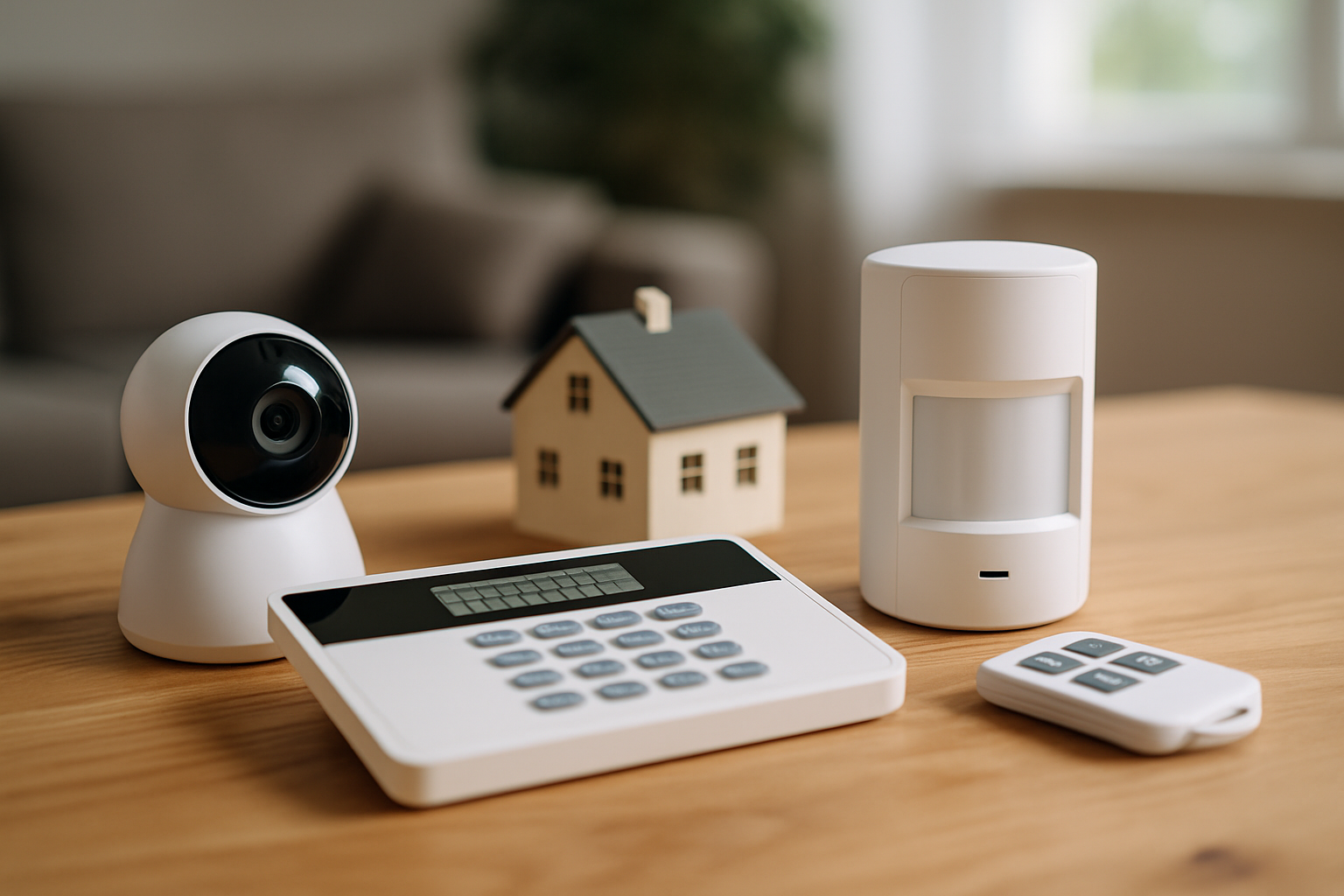
What Are the Best Home Security Systems for Your Safety
Are you concerned about the safety of your home? With increasing rates of burglary and home invasions, understanding what are the best home security systems is crucial for protecting your family and belongings. As a seasoned expert in home security solutions, I will guide you through the essential features and benefits of various systems, helping you make an informed decision. In this article, you’ll learn about the key components of effective home security, what to look for in a system, and how to avoid common pitfalls when selecting the right option for your needs.
Understanding Home Security Systems
Home security systems are essential for protecting your property and loved ones. They encompass various technologies and strategies designed to deter crime and respond to intrusions. Typically, these systems include alarms, surveillance cameras, motion detectors, and smart home integration. The right system depends on individual needs, property layout, and risk factors. It’s crucial to assess your specific security requirements to choose an effective solution that offers peace of mind while balancing cost and technology sophistication.
Types of Home Security Systems
Home security systems can be categorized into several types: wired, wireless, monitored, and unmonitored systems. Wired systems require physical connections to a central control panel, offering reliability but complex installation. Wireless systems are easier to install and can be managed remotely. Monitored systems involve professional monitoring services, ensuring prompt response to alerts. Unmonitored systems rely on the homeowner to respond to alarms, which may be less effective in emergencies.
Key Components of a Security System
A comprehensive home security system typically includes several key components: alarms to alert homeowners of breaches, surveillance cameras for monitoring activities, motion detectors that trigger alerts when movement is detected, and smart home devices that integrate with the system for enhanced control. Understanding these components helps homeowners tailor their systems to their specific safety needs and preferences.
Key Points:
- Assess your specific security needs before choosing a system
- Consider both monitored and unmonitored options based on your lifestyle
Evaluating Security System Options
When exploring the best home security systems, it’s essential to evaluate multiple factors to make an informed decision. These include the system’s features, installation requirements, and ongoing costs. A thorough comparison ensures that you select a system that meets your security needs while fitting within your budget. Take time to research customer reviews and expert opinions to understand the effectiveness and reliability of different systems.
Feature Comparison
Key features to consider include remote access, mobile notifications, integration with other smart home devices, and video storage options. Remote access allows you to monitor your home in real time, while mobile notifications keep you informed of any unusual activity. Integration with smart devices enhances convenience and control, making it easier to manage your security system alongside other home automation features.
Cost Considerations
The total cost of a home security system encompasses initial installation fees, equipment costs, and ongoing monitoring fees. It’s vital to budget for both upfront and recurring expenses. Additionally, inquire about potential discounts or incentives for bundling services or opting for longer-term contracts. Understanding the full financial commitment helps prevent surprises and ensures you can maintain your system long-term.
Key Points:
- Compare features of different systems to find the best fit
- Consider both upfront and ongoing costs when budgeting for a system
Understanding Home Security System Types
When exploring what are the best home security systems, it’s essential to understand the different types available. Home security systems typically fall into several categories: wired systems, wireless systems, and hybrid systems. Each type has its own advantages and considerations, impacting installation, maintenance, and overall security effectiveness. Wired systems are known for their reliability, but installation can be complex. Wireless systems offer flexibility and ease of installation, making them ideal for renters. Hybrid systems combine elements of both, providing versatility in various home environments.
Wired Security Systems
Wired security systems connect directly to your home’s electrical system, ensuring constant power and reliability. They often have lower maintenance costs over time and are less susceptible to interference. However, installation can be invasive, requiring professional help to run wires through walls. This option is best for homeowners looking for long-term solutions and who are willing to invest in installation.
Wireless Security Systems
Wireless security systems use radio signals to connect devices, making installation straightforward and less invasive. They can be easily expanded or modified, making them ideal for changing needs. However, they may be susceptible to signal interference and require regular battery changes. This option suits renters or those seeking a flexible, easily adjustable security solution.
Hybrid Security Systems
Hybrid security systems combine wired and wireless technologies, offering the benefits of both. They can provide a robust solution by placing cameras or sensors wirelessly while maintaining wired connections for critical components like alarms. This versatility makes hybrids ideal for diverse home layouts and security needs, allowing for customization based on individual preferences.
Key Points:
- Different systems have unique advantages and disadvantages
- Choosing the right type depends on your specific home needs
💡 Evaluate your home’s layout to choose the right system type
💡 Consider future expansion needs when selecting a system
💡 Assess installation complexity and costs before deciding on wired vs. wireless
Key Features of Effective Home Security Systems
Identifying what are the best home security systems involves focusing on essential features that enhance security. Critical features to consider include video surveillance, motion detection, remote monitoring, and alarm systems. Video surveillance provides visual evidence and acts as a deterrent. Motion detection alerts homeowners of unusual activity, while remote monitoring allows users to check their security systems from anywhere. Alarm systems serve as an immediate alert to potential intrusions, making them a fundamental aspect of any security solution.
Video Surveillance
Video surveillance systems are vital for monitoring activities around your home. High-definition cameras with night vision capabilities can significantly enhance security. Look for features like cloud storage to save footage and mobile alerts for immediate notifications. The presence of cameras can deter potential intruders and provide critical evidence in case of incidents.
Motion Detection
Motion detectors are essential for enhancing security by signaling unusual movements around your property. They can be integrated with lights to illuminate areas when movement is detected, acting as a deterrent. Opt for systems with customizable sensitivity settings to reduce false alarms from pets or environmental factors.
Remote Monitoring
Remote monitoring allows homeowners to access their security systems via smartphones or computers, providing real-time updates. This feature is crucial for those who travel frequently or want peace of mind when away from home. Look for systems that offer user-friendly apps and seamless integration with smart home devices.
💡 Prioritize features based on your security needs and lifestyle
💡 Regularly update your system’s software to maintain security effectiveness
💡 Consider systems that allow scalability for future upgrades
EXPERT TIPS Pro Advice
Assess your neighborhood’s crime rates
Understanding local crime statistics can help tailor your security needs effectively, ensuring you choose a system that addresses specific risks.
Plan for redundancy
Incorporating backup systems like battery power or cellular connections can ensure your security remains operational during power outages or internet disruptions.
Engage in regular system testing
Periodically test your security components to ensure they function correctly, which enhances reliability and provides peace of mind.
Educate your household on system usage
Ensure all members of your household know how to use the security system, as proper usage maximizes its effectiveness and minimizes errors.
Consider professional monitoring services
Professional monitoring can provide immediate responses to alerts, enhancing security and ensuring help is on the way when needed.
Frequently Asked Questions
Conclusion
Choosing the best home security system involves understanding your specific needs, evaluating features, and considering both DIY and professional installation options. Assessing your budget and local crime rates can guide your decision. Prioritize systems that offer comprehensive monitoring and smart technology for optimal protection.
🎯 Key Takeaways:
- Identify essential features for your security needs.
- Assess your budget and property size before choosing a system.
- Consider the importance of professional monitoring.
- Evaluate the benefits of smart home integration.
- Explore both DIY and professional installation options.
Expert Advice: Regularly review your security system to adapt to evolving threats and technological advancements. Stay informed about new features and updates to ensure your home remains secure.
Begin your journey to a safer home by researching local security options and developing a personalized security plan.
Leave a Reply