
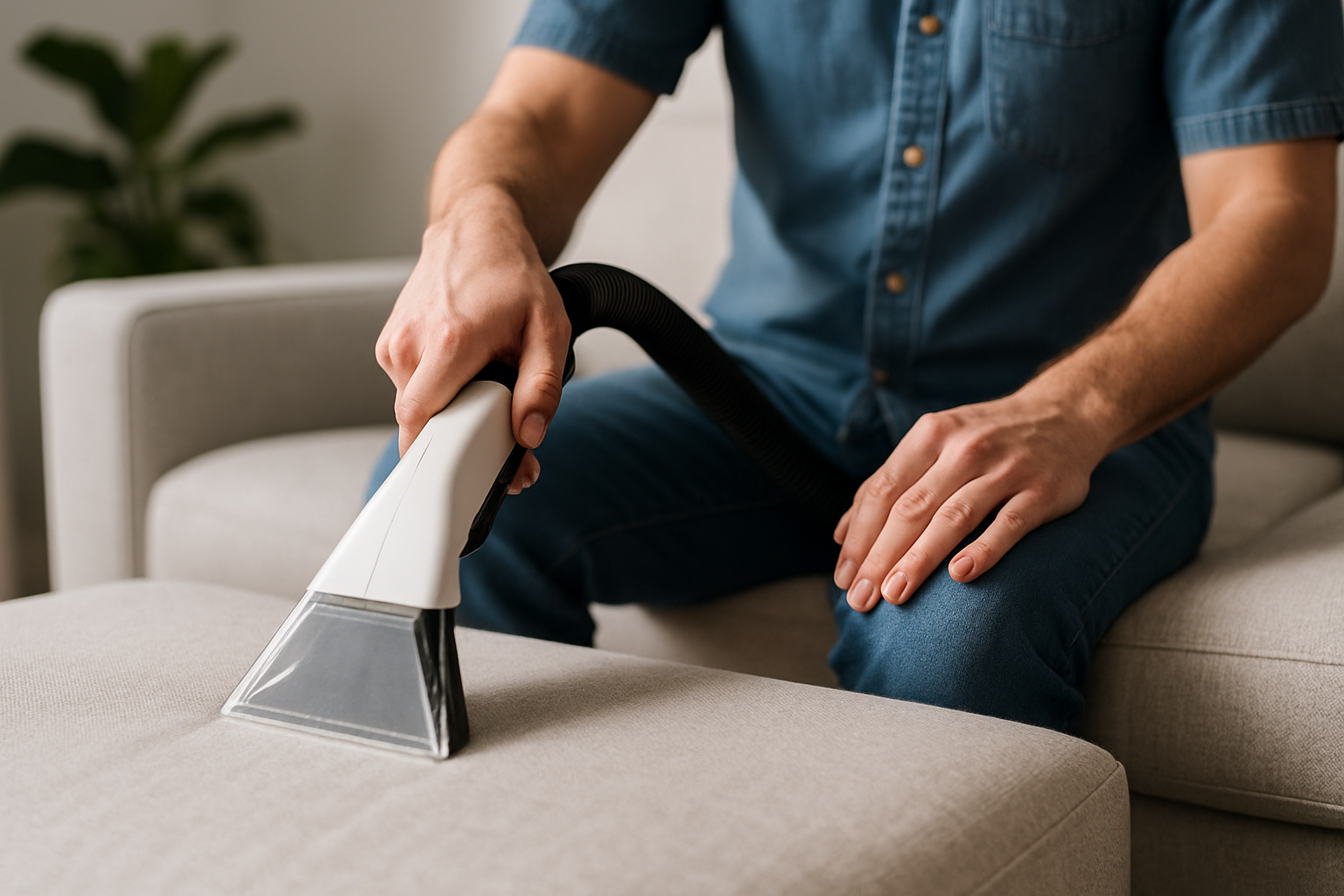
Are you struggling to keep your upholstery looking fresh and clean? It’s a common challenge, as dirt, stains, and allergens can accumulate quickly on your furniture. But understanding what is the best home upholstery cleaner for your specific needs can make all the difference. With over 15 years of experience in home care solutions, I’m here to guide you through the essential factors to consider when selecting the right cleaner. In this article, you will learn about effective cleaning methods, common mistakes to avoid, and expert tips to maintain your upholstery’s appearance and longevity. Let’s dive into the world of upholstery cleaning and equip you with the knowledge to keep your home spotless.
Understanding Upholstery Cleaning
Upholstery cleaning is essential for maintaining the appearance and longevity of furniture. It involves removing dirt, stains, and allergens from fabrics. The best home upholstery cleaner depends on fabric type, level of soiling, and specific cleaning needs. Regular cleaning not only enhances aesthetics but also contributes to a healthier home environment. Different cleaning methods, such as vacuuming, steam cleaning, and using chemical or natural solutions, can effectively restore upholstery. Knowing the right techniques and solutions can make a significant difference in the results achieved.
Types of Upholstery Fabrics
Upholstery fabrics vary widely, including natural fibers like cotton and wool, and synthetic options such as polyester and nylon. Each type requires specific cleaning methods. For instance, natural fibers may be more susceptible to shrinkage and water damage, while synthetics are often more durable and stain-resistant. Understanding the type of upholstery is crucial for selecting the best cleaning approach.
Importance of Regular Cleaning
Regular upholstery cleaning not only keeps furniture looking fresh but also extends its lifespan. Dirt and allergens can accumulate in fabrics, leading to health issues and unpleasant odors. Scheduling routine cleanings, depending on usage and exposure to pets or children, can help maintain a clean and safe living environment. Ideally, upholstery should be cleaned at least once a year or more frequently for high-traffic areas.
Key Points:
- Different fabrics require different cleaning methods.
- Regular cleaning improves appearance and health.
Choosing the Right Upholstery Cleaner
Selecting the appropriate upholstery cleaner requires understanding specific needs based on the fabric type and the nature of stains. Key factors to consider include cleaning method, effectiveness on various stains, and safety for both the fabric and household. Some cleaners are designed for heavy-duty stains, while others are formulated for gentle, everyday cleaning. Additionally, natural cleaning solutions may be preferred for those concerned about chemical exposure. Properly assessing these factors will help you determine the best approach for your upholstery cleaning needs.
Assessing Stains and Soil Levels
Before choosing a cleaner, assess the types of stains present on your upholstery. Common stains include food, beverages, and pet accidents. Identifying the stain type can guide you to the most effective cleaning solution. For example, oil-based stains often require degreasers, while water-based solutions are effective for many food-related stains. Understanding soil levels—light, moderate, or heavy—also influences product selection.
Evaluating Cleaning Methods
Different cleaning methods include steam cleaning, spot cleaning with sprays, or using a fabric-safe foam. Steam cleaning is excellent for deep cleaning and sanitizing, while spot cleaning is suitable for quick touch-ups. Each method has its pros and cons, so evaluate factors like fabric sensitivity and cleaning urgency when making a decision. Selecting the right method can enhance cleaning effectiveness and minimize potential damage.
Key Points:
- Identify stains to choose effective cleaning solutions.
- Evaluate cleaning methods based on fabric sensitivity.
Understanding Upholstery Cleaning Methods
To determine the best home upholstery cleaner, understanding the various cleaning methods is crucial. Common techniques include steam cleaning, spot cleaning, and dry cleaning. Each method has unique benefits and is suitable for different upholstery types. Steam cleaning uses hot water vapor to lift dirt and stains, making it ideal for deep cleaning. Spot cleaning targets specific stains and is often done with a fabric-safe cleaner, while dry cleaning is best for delicate fabrics that cannot tolerate moisture. Selecting the right method for your upholstery type can significantly enhance the cleaning results.
Steam Cleaning
Steam cleaning is one of the most effective methods for deep cleaning upholstery. This technique utilizes high-temperature steam to penetrate fibers, loosening dirt and grime. It is particularly effective for synthetic fabrics and can also help eliminate allergens. However, it may not be suitable for all materials, so always check the care label before proceeding.
Spot Cleaning
Spot cleaning is essential for maintaining upholstery between deep cleans. This method involves applying a concentrated cleaner directly to a stain, followed by blotting with a clean cloth. It’s crucial to act quickly on spills to prevent them from setting. Always test any cleaner in an inconspicuous area first to avoid damage.
Dry Cleaning Techniques
Dry cleaning is a gentle method often used for delicate fabrics. It involves using solvents rather than water to clean upholstery, minimizing the risk of damage. This method is effective for stains that water can worsen. Always consult the fabric care label and consider professional assistance for challenging stains.
💡 Always test cleaning methods on an inconspicuous area first to prevent damage.
💡 Use a microfiber cloth for spot cleaning to avoid lint residue.
💡 Regular vacuuming can prolong the intervals between deep cleans.
Selecting the Right Cleaning Solution
Choosing the right cleaning solution is critical for effective upholstery maintenance. Look for cleaners that are specifically formulated for the fabric type of your upholstery. Many fabrics, such as leather, microfiber, or cotton, require different cleaning agents to avoid damage. It’s also important to consider eco-friendly solutions that are safe for both your family and the environment. Understanding the pH levels of cleaners can help ensure compatibility with your upholstery, as too high or low pH can lead to discoloration or degradation of fabric fibers.
Fabric-Specific Cleaners
Different fabrics require unique cleaning solutions. For instance, leather upholstery needs a conditioner-based cleaner to maintain suppleness, while synthetic fabrics may need a water-based cleaner. Always read labels to ensure compatibility with your upholstery’s fabric type.
Eco-Friendly Options
Eco-friendly cleaners provide a safer alternative for households with children and pets. These solutions often utilize natural ingredients such as vinegar or baking soda, which can be effective against stains without harsh chemicals. They are also less likely to cause allergic reactions, making them a great choice for sensitive individuals.
Assessing pH Levels
Understanding the pH level of upholstery cleaners is vital. A neutral pH (around 7) is safest for most fabrics. High pH can cause fading or damage, while low pH may not effectively remove stains. Always check the cleaner’s specifications before use to ensure it matches your upholstery’s needs.
💡 Choose a cleaner based on the upholstery fabric type for optimal results.
💡 Consider eco-friendly cleaning solutions to minimize health risks.
💡 Always check the pH level of cleaners to avoid fabric damage.
EXPERT TIPS Pro Advice
Regular Maintenance is Key
Regularly vacuuming upholstery prevents dirt buildup, making deep cleaning easier and more effective. Schedule maintenance every few weeks for best results.
Act Quickly on Stains
The sooner you treat a stain, the easier it is to remove. Keep a spot-cleaning kit handy to immediately address spills and prevent them from setting.
Use Protective Covers
Investing in protective covers can help safeguard upholstery from spills and wear. They make cleaning easier and prolong the lifespan of your furniture.
Frequently Asked Questions
Conclusion
Cleaning your upholstery regularly is essential for maintaining its appearance and extending its life. Choose the right cleaning method based on fabric type, use eco-friendly solutions, and consider professional help for tough stains. Regular maintenance ensures a healthier home environment.
🎯 Key Takeaways:
- Select an upholstery cleaner suitable for your fabric type.
- Regular cleaning improves air quality and furniture longevity.
- Home remedies can be effective but should be tested first.
- Consider professional cleaning for deep stains and thorough maintenance.
Expert Advice: Stay proactive in your upholstery maintenance by establishing a regular cleaning schedule and using appropriate methods. This not only enhances your living space but also contributes to overall health and comfort.
Take the first step by inspecting your upholstery and planning your next cleaning session!
Leave a Reply