Are you overwhelmed by the countless options when searching for what is the best home vacuum cleaner on the market? You’re not alone—many homeowners struggle to find a vacuum that meets their unique cleaning needs. With various types, features, and technologies available, making an informed decision can be daunting. As a seasoned expert in home cleaning solutions, I understand the importance of choosing the right vacuum cleaner for your home. In this article, you will learn about essential vacuum features, the different types available, and key factors to consider when making your choice. By the end, you’ll be equipped with the knowledge to select the perfect vacuum cleaner tailored to your lifestyle and home environment.
Understanding Vacuum Cleaner Types
When exploring what is the best home vacuum cleaner on the market, it’s essential to understand the different types available. Generally, vacuums fall into several categories: upright, canister, robotic, and handheld. Each type has unique features suited for various cleaning needs, making it crucial to evaluate your specific requirements before making a decision.
Upright Vacuums
Upright vacuums are popular for their powerful suction and ease of use on carpets. They typically have a larger dust capacity and are designed for deep cleaning. Ideal for large areas, they may not be as effective on stairs or hard-to-reach places.
Canister Vacuums
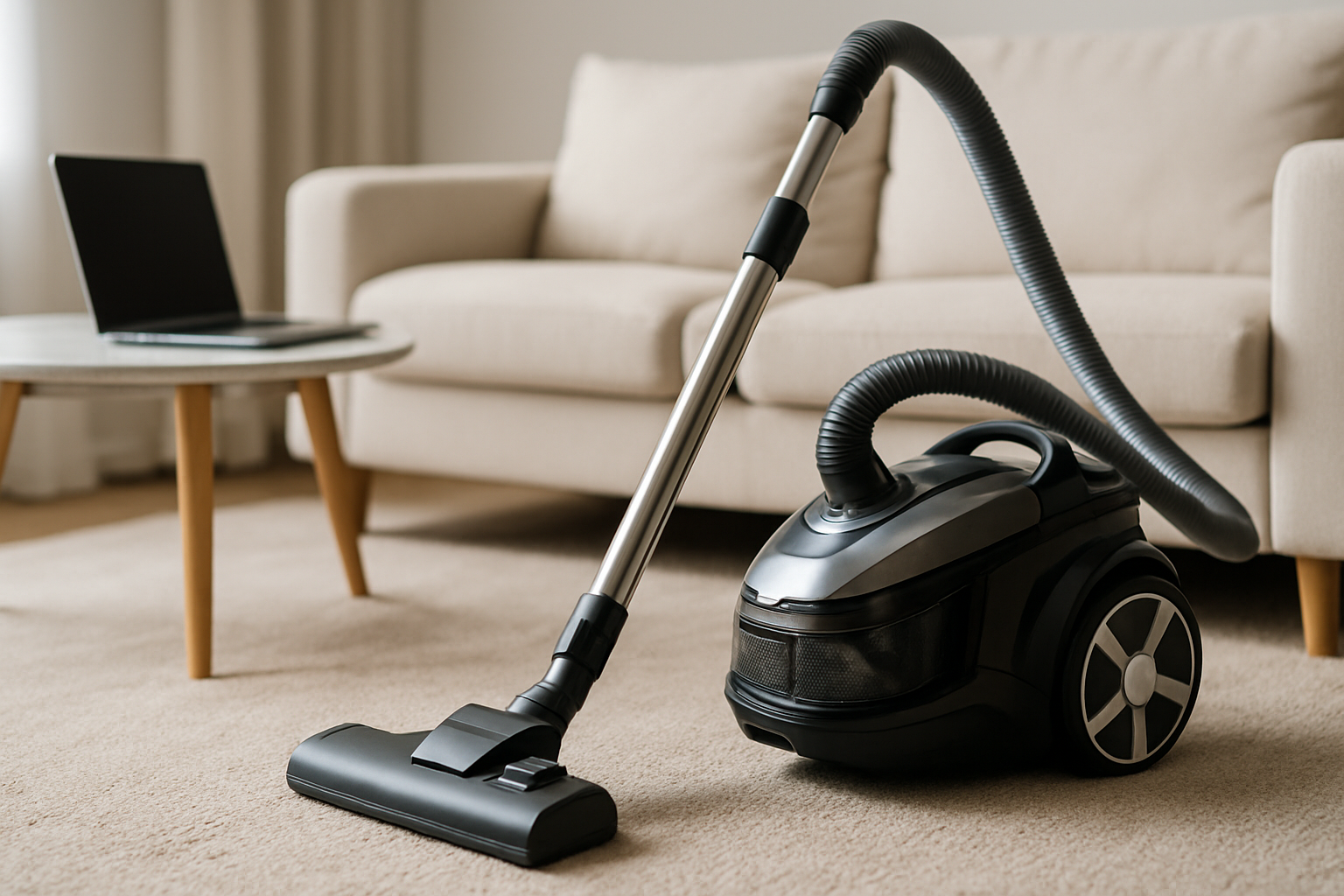
Canister vacuums feature a separate canister and cleaning head, providing versatility. They excel on hard floors and low-pile carpets and often come with attachments for upholstery and crevices. This type is perfect for homes with a variety of flooring types.
Robotic and Handheld Vacuums
Robotic vacuums offer convenience, autonomously cleaning while you focus on other tasks. They are best for maintenance cleaning. Handheld vacuums, on the other hand, are lightweight and ideal for quick clean-ups in tight spaces like cars or corners.
Key Points:
- Know the different types of vacuums available
- Select based on your cleaning needs and home layout
Key Features to Consider
When determining what is the best home vacuum cleaner on the market, various features should be considered. Important attributes include suction power, filtration systems, and the presence of attachments. Each feature impacts the vacuum’s performance and suitability for your home.
Suction Power
Suction power is a critical factor in vacuum performance. A vacuum with strong suction can effectively remove dirt and allergens from carpets and upholstery. Look for measurements like air watts or sealed suction for an accurate comparison.
Filtration Systems
A good filtration system is paramount, especially for allergy sufferers. HEPA filters trap small particles and allergens, ensuring cleaner air. Choosing a vacuum with a quality filtration system contributes significantly to a healthier home environment.
Attachments and Accessories
Consider the attachments that come with the vacuum. Tools like crevice tools, upholstery brushes, and dusting brushes enhance the vacuum’s versatility. The right accessories can make cleaning various surfaces much easier and more effective.
Key Points:
- Evaluate suction power for effective cleaning
- Prioritize filtration systems for improved air quality
Understanding Vacuum Cleaner Types
When considering what is the best home vacuum cleaner on the market, it is essential to understand the different types of vacuum cleaners available. Each type has unique features and benefits tailored to specific cleaning needs. The primary categories include upright, canister, robotic, and handheld vacuums. Knowing the distinctions can help you make an informed decision based on your home’s layout and cleaning preferences.
Upright Vacuums
Upright vacuums are ideal for large carpeted areas and are known for their powerful suction. They often come with various attachments for additional cleaning tasks. However, they can be bulky and less effective on hard floors. Consider your space and cleaning needs when choosing an upright vacuum.
Canister Vacuums
Canister vacuums are versatile and easier to maneuver, making them suitable for both carpets and hard floors. They typically have a separate canister and hose, allowing for better reach and flexibility. This type is excellent for homes with a mix of flooring types.
Robotic and Handheld Vacuums
Robotic vacuums offer convenience through automated cleaning, making them a great choice for busy households. Handheld vacuums are perfect for quick clean-ups and tight spaces. However, they may lack the power of larger models. Assess your routine to determine if these options are suitable.
Key Points:
- Different vacuum types cater to various cleaning needs.
- Understanding each type’s strengths can enhance your cleaning efficiency.
💡 Choose a vacuum type based on your cleaning needs and home layout.
💡 Consider the weight and maneuverability of the vacuum to ensure ease of use.
Key Features to Look for in a Vacuum Cleaner
When determining what is the best home vacuum cleaner on the market, several key features should be prioritized. These include suction power, filtration system, noise level, and attachments. Each feature contributes to the overall effectiveness and usability of the vacuum, so it is crucial to consider them based on your specific requirements.
Suction Power
Suction power is a critical factor in a vacuum cleaner’s performance. Higher suction power typically means better dirt and debris removal. Look for models that specify their suction strength or airflow rating and consider your home’s surfaces when evaluating this feature.
Filtration System
A vacuum’s filtration system is essential for trapping allergens and ensuring clean air. HEPA filters are particularly effective for allergy sufferers, capturing 99.97% of particles. Evaluate the filtration system if you or your family members have allergies or asthma.
Noise Level and Attachments
Noise level is often overlooked but is crucial for a pleasant cleaning experience. Look for vacuums designed to operate quietly. Additionally, check for useful attachments like crevice tools and upholstery brushes, which can enhance your vacuum’s versatility.
Key Points:
- Key features play a significant role in vacuum performance.
- Selecting the right features can improve your cleaning experience.
💡 Prioritize suction power and filtration for effective cleaning.
💡 Evaluate noise levels to ensure a comfortable cleaning environment.
EXPERT TIPS Pro Advice
Evaluate your cleaning habits.
Understanding your cleaning routines will help you choose a vacuum that fits your lifestyle, ensuring you get the most effective model for your needs.
Test vacuums in-store if possible.
Trying out vacuums in-store can give you a sense of weight, maneuverability, and ease of use, which is vital for long-term satisfaction.
Check for maintenance requirements.
Consider how easy it is to maintain the vacuum, including filter replacement and brush cleaning, to ensure it remains effective over time.
Consider the size of your home.
A larger home may benefit from a more powerful vacuum, while smaller spaces might only need a lightweight model for quick clean-ups.
Read reviews and user experiences.
User reviews often provide insights into real-world performance and reliability, helping you make a more informed decision.
Frequently Asked Questions
Conclusion
In summary, selecting the best home vacuum cleaner involves evaluating suction power, filtration, and maintenance needs. Assess your home’s specific requirements and consider the advantages of bagged versus bagless options. Prioritize features that enhance your cleaning experience and address your unique challenges.
🎯 Key Takeaways:
- Consider suction power and filtration for effective cleaning.
- Match the vacuum type to your home’s layout and needs.
- Regular maintenance is essential for optimal performance.
- Vacuuming frequency should align with household conditions.
- Research and compare user reviews for informed decisions.
Expert Advice: Take the time to assess your cleaning needs and understand the features that matter most. By doing thorough research and considering your specific circumstances, you can choose a vacuum cleaner that best suits your home and lifestyle.
Now that you have the knowledge, explore your options and make an informed decision to enhance your cleaning routine.
Leave a Reply