Are you concerned about the safety of your home and loved ones? With rising crime rates, many homeowners are turning to technology for peace of mind. Understanding what are the best security cameras for home is crucial for effective surveillance. In this article, we’ll explore various types of security cameras, their features, and what to consider when choosing the right one for your needs. As an experienced security expert, I will guide you through essential information that will empower you to make informed decisions about enhancing your home security. Read on to discover the best options available and how they can help protect your property.
Understanding Home Security Cameras
Home security cameras are essential tools for monitoring and protecting your property. They provide real-time surveillance and can deter criminal activity. When considering which cameras are best for your home, it’s important to evaluate various types, their features, and how they align with your security needs. Factors such as resolution, field of view, and connectivity options play a critical role in determining the effectiveness of a security camera system.
Types of Security Cameras
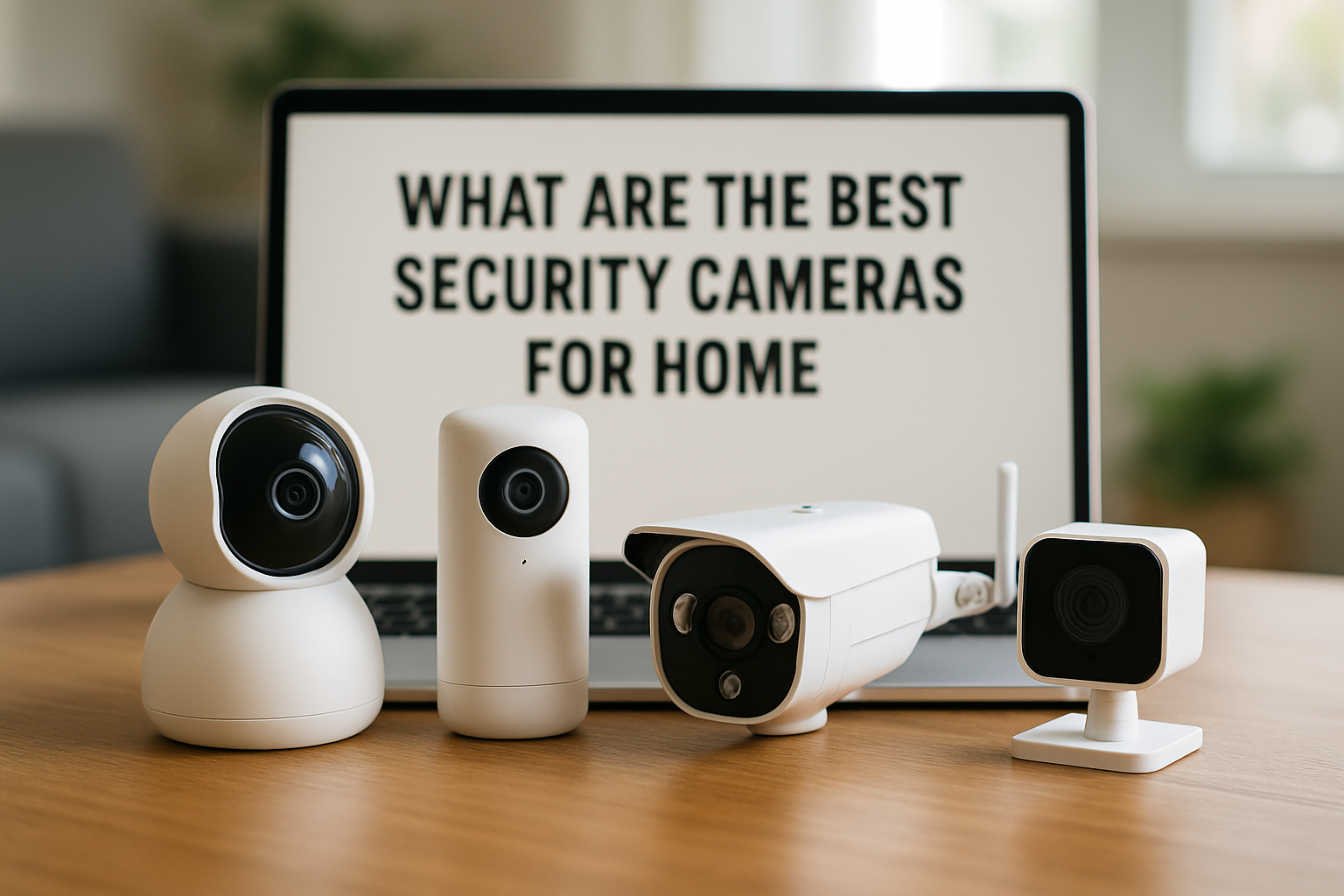
There are several types of home security cameras, including indoor, outdoor, wired, and wireless models. Indoor cameras are typically smaller and designed for monitoring the interior of your home. Outdoor cameras are built to withstand weather conditions and often feature night vision capabilities. Wired cameras offer stable connections, while wireless cameras provide flexibility in placement.
Key Features to Look For
When evaluating security cameras, consider features such as resolution, which affects image clarity, and night vision, which ensures visibility in low light. Motion detection alerts can notify you of unusual activity, while two-way audio allows you to communicate through the camera. Additionally, cloud storage options can provide secure access to recorded footage.
Assessing Your Security Needs
Your security needs will vary based on your home layout and personal preferences. Assess high-risk areas, such as entry points and driveways, to determine where cameras would be most beneficial. Additionally, consider the size of your property and whether you want remote access to camera feeds via mobile devices. A comprehensive assessment will guide you in selecting the most suitable cameras for your home.
Key Points:
- Cameras enhance home security by providing real-time monitoring
- Choosing the right type and features is vital for effective surveillance
Installation and Placement of Security Cameras
Proper installation and strategic placement of security cameras are crucial for maximizing their effectiveness. An ideal camera setup ensures comprehensive coverage of your property while minimizing blind spots. Additionally, understanding the technical aspects of installation can enhance the performance of your security system. Whether you choose DIY installation or professional services, knowing the best practices is essential.
Best Locations for Camera Placement
Key locations for camera placement include entrances, driveways, and backyards. Positioning cameras at points of entry helps monitor visitors and detect potential intruders. It’s also advisable to install cameras at elevated heights to capture a wider field of view and prevent tampering. Ensuring coverage of vulnerable areas significantly increases your home’s security.
Wiring and Connectivity Considerations
When installing security cameras, consider whether to use wired or wireless setups. Wired cameras provide reliable connections but may require professional installation. Wireless cameras offer flexibility but need a strong Wi-Fi signal for optimal performance. Assess your home’s layout and existing infrastructure to determine the best wiring or connectivity option.
Maintaining Your Camera System
Regular maintenance of your security camera system is essential for ensuring reliability. This includes cleaning camera lenses to maintain image clarity and checking for firmware updates to enhance functionality. Additionally, routinely reviewing camera positioning can help identify and eliminate any new blind spots that may arise over time.
Key Points:
- Strategic placement reduces blind spots and enhances security
- Regular maintenance is crucial for reliable camera performance
Understanding Security Camera Types
When evaluating what are the best security cameras for home, it’s essential to understand the different types available. Each type serves unique purposes and has specific features suited for various home security needs. The primary categories include wired, wireless, indoor, and outdoor cameras. Wired cameras generally offer stable connections and higher quality video, while wireless options provide flexibility and easier installation. Indoor cameras are designed for monitoring inside the home, while outdoor cameras are built to withstand weather conditions and have features like motion detection and night vision.
Wired vs. Wireless Cameras
Wired cameras are connected directly to your home’s power and internet systems, providing reliable connectivity and video quality. They are ideal for stationary installations where tampering is less likely. Wireless cameras, on the other hand, use Wi-Fi for connectivity, making them easier to install and relocate. However, they may be susceptible to signal interference and require frequent battery checks.
Indoor vs. Outdoor Cameras
Indoor cameras typically have a more discreet design and features tailored for home monitoring, such as two-way audio. Outdoor cameras are tougher, featuring weatherproof housing and enhanced night vision capabilities. When choosing between them, consider where you need surveillance and the specific challenges each environment presents.
Key Points:
- Different types of cameras serve specific purposes.
- Wired cameras offer reliability, while wireless cameras provide flexibility.
💡 Consider your home’s layout and security needs when choosing camera types.
Key Features to Look For
Identifying what are the best security cameras for home also involves understanding essential features that enhance security. Look for key functionalities such as video resolution, field of view, night vision, and motion detection. High-resolution video (1080p or better) ensures clarity in recorded footage, while a wide field of view allows for broader coverage of the monitored area. Night vision is crucial for nighttime surveillance, and motion detection features help alert homeowners to unusual activity, often sending real-time notifications.
Video Resolution and Quality
When assessing video resolution, higher pixel counts generally equate to clearer footage. A minimum resolution of 1080p is recommended for effective monitoring. This clarity is vital for identifying faces and license plates, making it easier to provide law enforcement with evidence if needed.
Smart Features and Integration
Modern security cameras often come with smart features like facial recognition and integration with smart home systems. These features enhance security by allowing for personalized alerts and remote access to camera feeds via smartphones. Consider cameras that can seamlessly integrate with your existing smart home devices for greater control and convenience.
Key Points:
- High resolution is essential for clear surveillance footage.
- Smart features can enhance the functionality of security cameras.
💡 Prioritize features that align with your specific security concerns.
EXPERT TIPS Pro Advice
Evaluate your home’s vulnerabilities
Understanding your home’s weak points helps in selecting the right camera types and placements, maximizing security effectiveness.
Opt for cameras with local storage options
Cameras with local storage allow you to retain footage without relying solely on cloud services, providing more privacy and control over your data.
Regularly update camera firmware
Keeping camera firmware updated ensures you benefit from the latest security patches and features, helping to protect against vulnerabilities.
Consider the camera’s power source
Choose between battery-operated and plug-in cameras based on your installation flexibility and maintenance preferences for continuous operation.
Test the camera placement
Before finalizing placements, test the camera’s view and functionality to ensure it covers all critical areas without obstructions.
Frequently Asked Questions
Conclusion
Selecting the best security cameras for your home involves understanding key features, installation options, and the importance of both indoor and outdoor surveillance. By evaluating your needs and focusing on security, you can enhance your home’s safety effectively.
🎯 Key Takeaways:
- Consider essential features like resolution, night vision, and motion detection.
- Assess your home’s layout to determine the number of cameras needed.
- DIY installation is possible with many user-friendly options.
- Use both indoor and outdoor cameras for comprehensive coverage.
- Prioritize camera security by updating passwords and firmware.
Expert Advice: Evaluate your specific security needs and choose cameras that align with your lifestyle. Regularly review and update your security measures to ensure optimal protection for your home.
Start by assessing your home’s vulnerabilities and planning a security camera layout that provides peace of mind.
Leave a Reply