
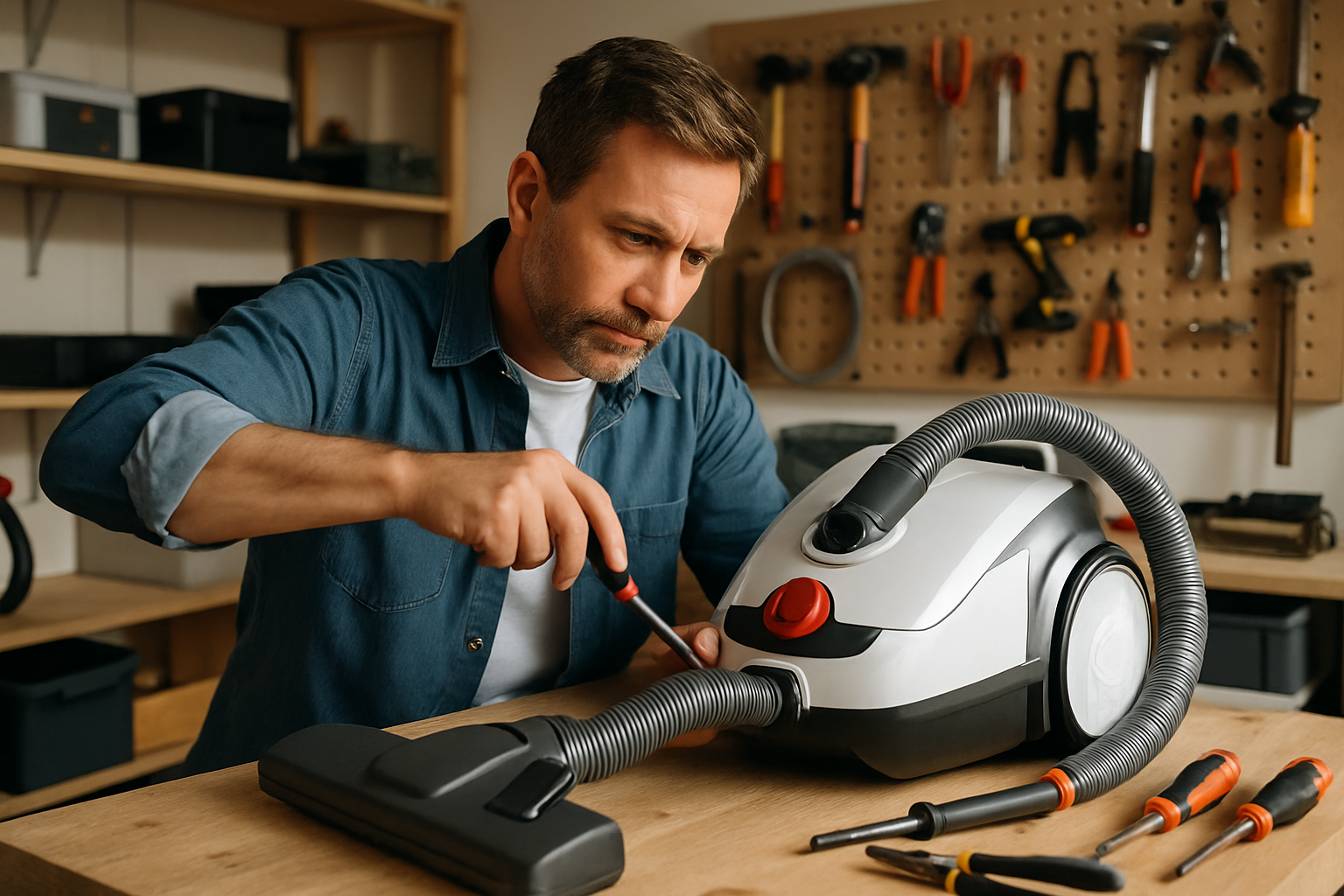
How to Build a Vacuum Cleaner Repair Shop at Home Successfully
Have you ever considered turning your passion for fixing appliances into a profitable venture? With millions of vacuum cleaners in households, the demand for repair services is on the rise. Understanding how to build a vacuum cleaner repair shop at home can not only provide a steady income but also allow you to work on something you love. In this comprehensive guide, we will explore the essential steps to set up your own repair shop, from choosing the right tools and workspace to marketing your services effectively. By the end of this article, you will have the knowledge and confidence to launch your home-based repair business and cater to your local community’s needs.
Understanding the Basics of Vacuum Cleaner Repair
Before starting a vacuum cleaner repair shop at home, it’s essential to grasp the fundamental components and mechanisms of various vacuum cleaners. Familiarity with different types of vacuums—upright, canister, robotic, and handheld—will equip you with the knowledge to tackle common repairs. Additionally, understanding the basic electrical components, such as motors, switches, and belts, will be vital in diagnosing issues effectively. This foundational knowledge not only boosts your confidence but also enhances your repair skills, making you more reliable to your future customers.
Types of Vacuum Cleaners
Vacuum cleaners come in various designs, each with unique features and common problems. Upright vacuums are popular for their powerful suction but often face issues with belts and brush rolls. Canister vacuums offer versatility but may require maintenance on hoses and filters. Familiarize yourself with these types to identify common problems and repair techniques, which will streamline your workflow once you start your shop.
Common Issues and Repairs
Understanding frequent problems can help you prepare for repairs. For instance, clogs in hoses, worn-out filters, and malfunctioning motors are typical issues. Learning how to diagnose these problems efficiently will save time and increase customer satisfaction. Keeping a checklist of common repairs can help you streamline your process and ensure you address the most frequent issues first.
Key Points:
- Knowledge of vacuum types is crucial.
- Familiarity with common repairs increases efficiency.
💡 Focus on learning the mechanics of various vacuum types to enhance your repair skills.
💡 Create a troubleshooting guide for common vacuum problems to expedite your repair process.
Setting Up Your Home Repair Shop
Establishing a vacuum cleaner repair shop at home requires careful planning and organization. Start by selecting a dedicated workspace that is clean and well-lit, providing enough room for repairs and storage of tools and parts. Ensure that your workspace is equipped with a sturdy workbench and necessary tools, such as screwdrivers, pliers, and cleaning supplies. A well-organized environment not only boosts productivity but also creates a professional atmosphere for your customers.
Choosing the Right Location
Pick a space in your home that is quiet and separate from everyday activities to minimize distractions. A garage or basement can be ideal as they often provide ample space and ventilation. Ensure easy access to power outlets for tools and sufficient lighting to inspect and repair machines effectively. A designated area also helps establish a professional image for your business.
Essential Tools and Equipment
Invest in basic tools essential for vacuum repairs, including screwdrivers, wrenches, and multimeters. Additionally, consider acquiring specialized equipment like a vacuum cleaner diagnostic tool for testing performance. Keeping these tools organized in a toolbox or on a tool wall helps streamline your repair process, making it easier to find what you need when tackling repairs.
Key Points:
- A dedicated workspace enhances productivity.
- Essential tools improve repair effectiveness.
💡 Dedicate a quiet, well-lit space for repairs to enhance focus and efficiency.
💡 Invest in essential tools early to avoid delays in repairs and build credibility with clients.
Setting Up Your Workspace
Creating an effective workspace is crucial for a vacuum cleaner repair shop at home. Choose a location with adequate space, good lighting, and ventilation. A dedicated area allows for organization and efficiency. Consider using a sturdy workbench for repairs, and ensure electrical outlets are accessible for tools. Clear your workspace of distractions to focus solely on repairs, and maintain a clean environment to avoid losing small parts.
Essential Tools and Equipment
To start, gather essential tools like screwdrivers, pliers, and a multimeter for electrical diagnostics. Invest in a vacuum cleaner testing machine if you plan on handling complex repairs. Organize these tools in a toolbox or drawer system for easy access. Label your equipment to save time during repairs and ensure you don’t have to search for tools when you need them most.
Safety Considerations
Safety should be a priority in your repair shop. Use protective gear, such as gloves and safety glasses, to shield yourself from debris and sharp components. Ensure your workspace is free of clutter to prevent accidents. Familiarize yourself with the specific safety protocols for electrical repairs, including unplugging devices before servicing and using insulated tools to minimize risks.
Key Points:
- A well-organized workspace improves productivity.
- Safety measures are essential to prevent accidents.
💡 Create a dedicated workspace to enhance focus and efficiency.
💡 Invest in quality tools to streamline the repair process.
Building Your Knowledge Base
A successful vacuum cleaner repair shop requires extensive knowledge of different models and their mechanics. Invest time in learning about various vacuum technologies, including bagless, robotic, and upright models. Online courses, manuals, and forums can provide valuable information. Networking with other repair technicians can also offer insights into common issues and effective repair techniques.
Understanding Common Issues
Familiarize yourself with common vacuum problems, such as loss of suction, motor failure, or clogged filters. Document these issues and their respective fixes to create a reference guide for yourself. This knowledge will help you diagnose problems quickly, leading to faster repairs and satisfied customers.
Staying Updated with Trends
The vacuum cleaner industry continuously evolves with new technologies. Stay updated by following industry news, attending workshops, and subscribing to relevant publications. Understanding the latest innovations will enhance your repair skills and allow you to offer more comprehensive services.
Key Points:
- Knowledge of common issues accelerates repair times.
- Continuous learning keeps your skills relevant.
💡 Create a troubleshooting guide for common vacuum issues.
💡 Join online forums to connect with other repair professionals.
EXPERT TIPS Pro Advice
Document your repairs and solutions.
Keeping a detailed record of repairs helps identify recurring issues and improves your troubleshooting skills over time.
Network with local technicians.
Building relationships with other repair professionals can provide support, knowledge sharing, and potential collaboration opportunities.
Offer preventative maintenance services.
Educating customers about regular maintenance can lead to repeat business and establish you as a reliable expert.
Frequently Asked Questions
Conclusion
Building a vacuum cleaner repair shop at home requires essential tools, skills, and a dedicated workspace. By understanding common repair issues and effectively marketing your services, you can create a successful venture. Legal compliance and customer trust through warranties are also critical for long-term success.
🎯 Key Takeaways:
- Acquire essential tools and skill sets for repairs.
- Ensure legal compliance by checking local regulations.
- Marketing through social media and local ads can attract customers.
- Offer warranties to build customer trust and loyalty.
Expert Advice: Start small, practice your skills, and gradually expand your services as you gain experience and confidence. Focus on customer satisfaction to build a loyal client base.
Begin researching local regulations and tools to kickstart your vacuum cleaner repair shop today!
Leave a Reply