
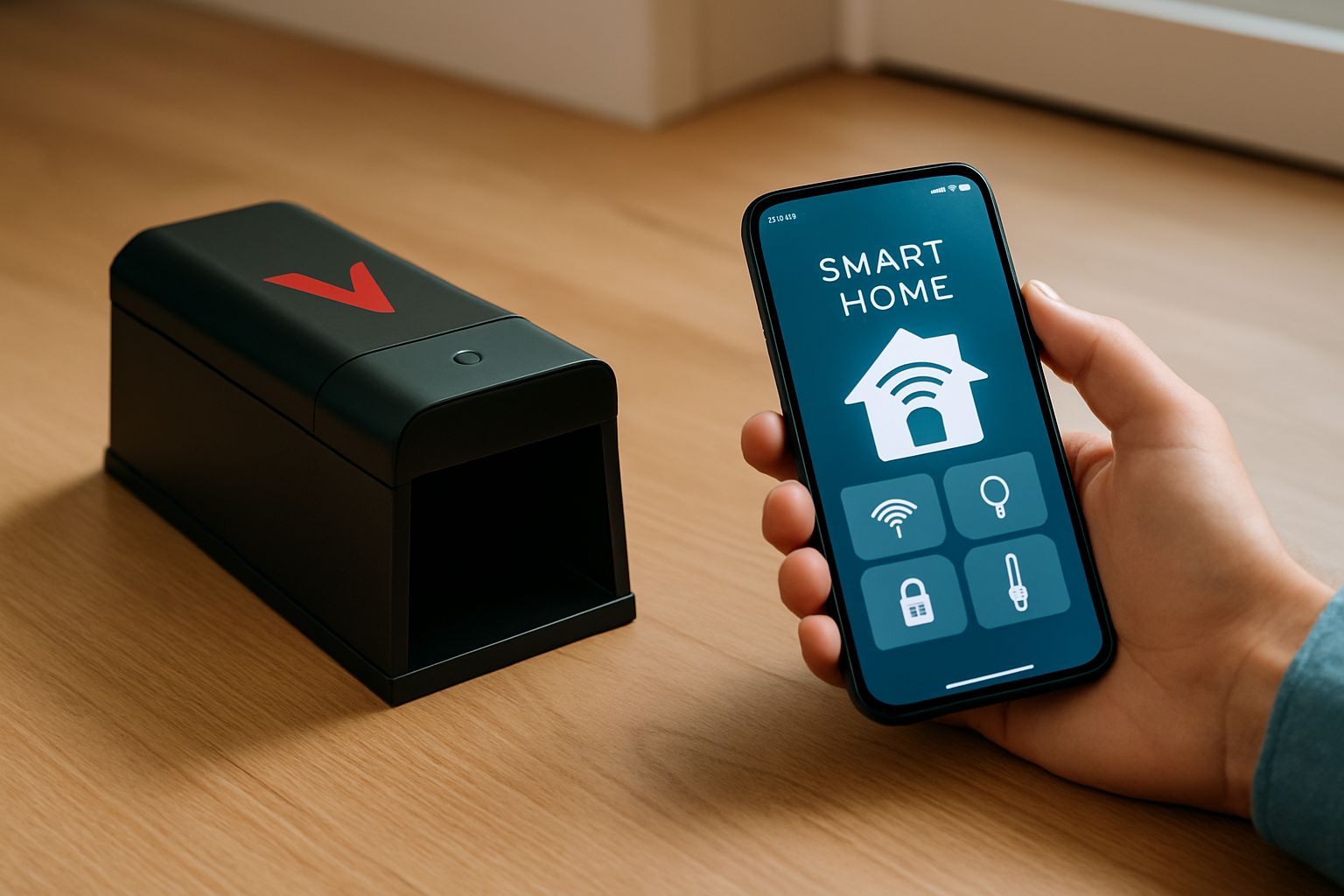
Have you ever wondered if you can elevate your pest control solutions by integrating electronic traps into your smart home system? The rise of smart technology has transformed how we manage various aspects of our homes, including pest management. As an expert in home automation, I can provide valuable insights into the compatibility of electronic traps with smart home systems. In this article, you will learn about the benefits of connecting these traps to your smart devices, how they work together to enhance efficiency, and what you need to consider before making the leap into smart pest control. Join me as we explore the fascinating world of smart home integration and electronic traps.
Understanding Electronic Traps and Smart Home Integration
Electronic traps have evolved significantly, utilizing technology to enhance their effectiveness in pest control. These devices can detect and eliminate pests automatically, often providing users with real-time data. The integration of electronic traps with smart home systems allows homeowners to manage pest control seamlessly through their existing home networks. This capability not only increases convenience but also enables advanced monitoring and automation features.
What Are Electronic Traps?
Electronic traps are devices designed to catch pests using electrical mechanisms. They typically employ sensors to detect pest presence and can deliver a lethal shock or use other methods to eliminate the threat. Their efficiency stems from their ability to work autonomously, notifying users when a catch occurs, often through visual indicators or alerts.
What Are Smart Home Systems?
Smart home systems comprise interconnected devices that allow homeowners to monitor and control various aspects of their home environment remotely. These systems can include smart lights, security cameras, thermostats, and more, all managed through a central hub or mobile application. The integration of devices enhances user convenience and energy efficiency.
Benefits of Integration
Integrating electronic traps with smart home systems provides numerous advantages, including real-time notifications of pest activity, remote monitoring, and the ability to automate pest control measures. Homeowners can receive alerts on their smartphones, allowing for timely responses to pest issues and reducing the need for constant manual checks.
Key Points:
- Electronic traps enhance pest control with technology
- Smart home systems enable remote management and automation
Compatibility Considerations for Electronic Traps
When considering the integration of electronic traps into smart home systems, compatibility is a crucial factor. Not all electronic traps are designed to connect to smart home networks, so understanding the specifications and capabilities of both the traps and the smart system is essential. This section will explore the key compatibility factors and the technology that facilitates this integration.
Connectivity Options
Electronic traps can connect to smart home systems via various connectivity options such as Wi-Fi, Bluetooth, or Zigbee. Each method has its advantages and limitations. Wi-Fi-enabled traps offer wider range and easier access, while Bluetooth may provide better battery life in certain situations. Understanding the connectivity options helps users choose the right traps for their needs.
Protocols and Standards
Different smart home systems may utilize various communication protocols, such as Z-Wave or Matter. It is essential to ensure that the electronic trap supports the same protocol as the smart home system for seamless integration. Users should verify compatibility to avoid connectivity issues and maximize functionality.
User Interface and Control
An important aspect of integration is the user interface provided by the smart home system. Users should consider how electronic traps will be managed within the app or control panel of their smart home system. A user-friendly interface simplifies monitoring and control of pest management strategies, making it easier for homeowners to respond quickly.
Key Points:
- Compatibility is crucial for effective integration
- Understanding connectivity options enhances user experience
Understanding Electronic Traps in Smart Home Environments
Electronic traps are innovative devices designed to capture pests without the use of traditional methods. In smart home systems, their integration can enhance efficiency and monitoring. The core function of these traps is to provide alerts and data to users regarding pest activity, which is crucial for maintaining a pest-free environment. Understanding how these devices communicate with smart home systems is essential for effective utilization.
Connectivity Options
Electronic traps can connect to smart home systems through Wi-Fi, Bluetooth, or Zigbee protocols. Wi-Fi connections allow for broader range and internet access, enabling real-time alerts to smartphones. Bluetooth may offer lower power consumption, ideal for battery-operated traps, while Zigbee provides a reliable mesh network effect, which is beneficial in larger homes.
Data Integration and Automation
When integrated into smart home systems, electronic traps can provide data that informs automated responses. For instance, they can trigger notifications or activate additional pest control measures when a pest is detected. This capability enhances the proactive management of pest infestations, allowing homeowners to act quickly.
Key Points:
- Electronic traps can connect through various protocols, each with its advantages.
- Integration allows for automated responses to pest detections.
💡 Ensure your electronic traps are compatible with your chosen smart home system to maximize functionality.
💡 Regularly update your smart home software to enhance security and connectivity with electronic traps.
💡 Utilize data analytics from your traps to identify pest patterns and optimize your preventive measures.
Maximizing Efficiency of Electronic Traps in Smart Homes
To fully leverage the benefits of electronic traps within a smart home framework, it’s crucial to implement strategic practices. Optimizing placement and understanding their operational modes can significantly enhance their effectiveness. This section explores advanced strategies for maximizing the utility of electronic traps.
Optimal Placement Strategies
The placement of electronic traps is vital for effectiveness. Position them near entry points, such as doors and windows, and in areas where pest activity is high. Using smart home analytics, you can identify these hotspots based on historical data and adjust the traps accordingly for maximum impact.
Maintenance and Monitoring
Regular maintenance is essential for the longevity and reliability of electronic traps. Monitor battery levels and functionality through your smart home app. Setting reminders for maintenance checks ensures that your traps are always ready to operate, preventing potential infestations.
Key Points:
- Strategic placement is key to enhancing the effectiveness of electronic traps.
- Regular maintenance ensures reliability and readiness of traps.
💡 Conduct regular assessments of trap placement based on pest activity to ensure optimal performance.
💡 Incorporate feedback from your smart home system to adjust trap locations as needed.
💡 Schedule periodic maintenance checks to keep your electronic traps functioning effectively.
EXPERT TIPS Pro Advice
Understand your smart home ecosystem
Knowing the capabilities and limitations of your smart home system helps you choose compatible electronic traps that maximize automation and efficiency.
Leverage data for pest management
Utilizing the analytics provided by electronic traps can inform better pest control strategies and preventive measures.
Integrate with other smart devices
Connecting electronic traps with other smart devices like cameras or lights can create a comprehensive pest management system that responds to detected activity.
Stay informed about updates
Keeping your smart home devices updated can improve performance and security, ensuring your electronic traps function optimally.
Educate household members
Ensuring that everyone in your home understands how to interact with the electronic traps and the smart home system can enhance overall effectiveness.
Frequently Asked Questions
Conclusion
Integrating electronic traps with smart home systems offers numerous benefits, including convenience, enhanced monitoring, and remote control capabilities. By following the necessary steps for connection and choosing the right features, homeowners can significantly improve their pest management strategies.
🎯 Key Takeaways:
- Electronic traps can connect to smart home systems for enhanced control.
- Real-time notifications improve pest management efficiency.
- Remote control capabilities allow monitoring from anywhere.
- Compatibility with smart home devices streamlines pest control.
- Selecting the right features maximizes convenience and effectiveness.
Expert Advice: Consider your specific pest control needs and smart home system capabilities when selecting electronic traps. Proper integration can lead to a more efficient pest management solution, ensuring your home remains pest-free.
Explore options for integrating smart electronic traps into your home today to enhance your pest management efforts.
Leave a Reply