
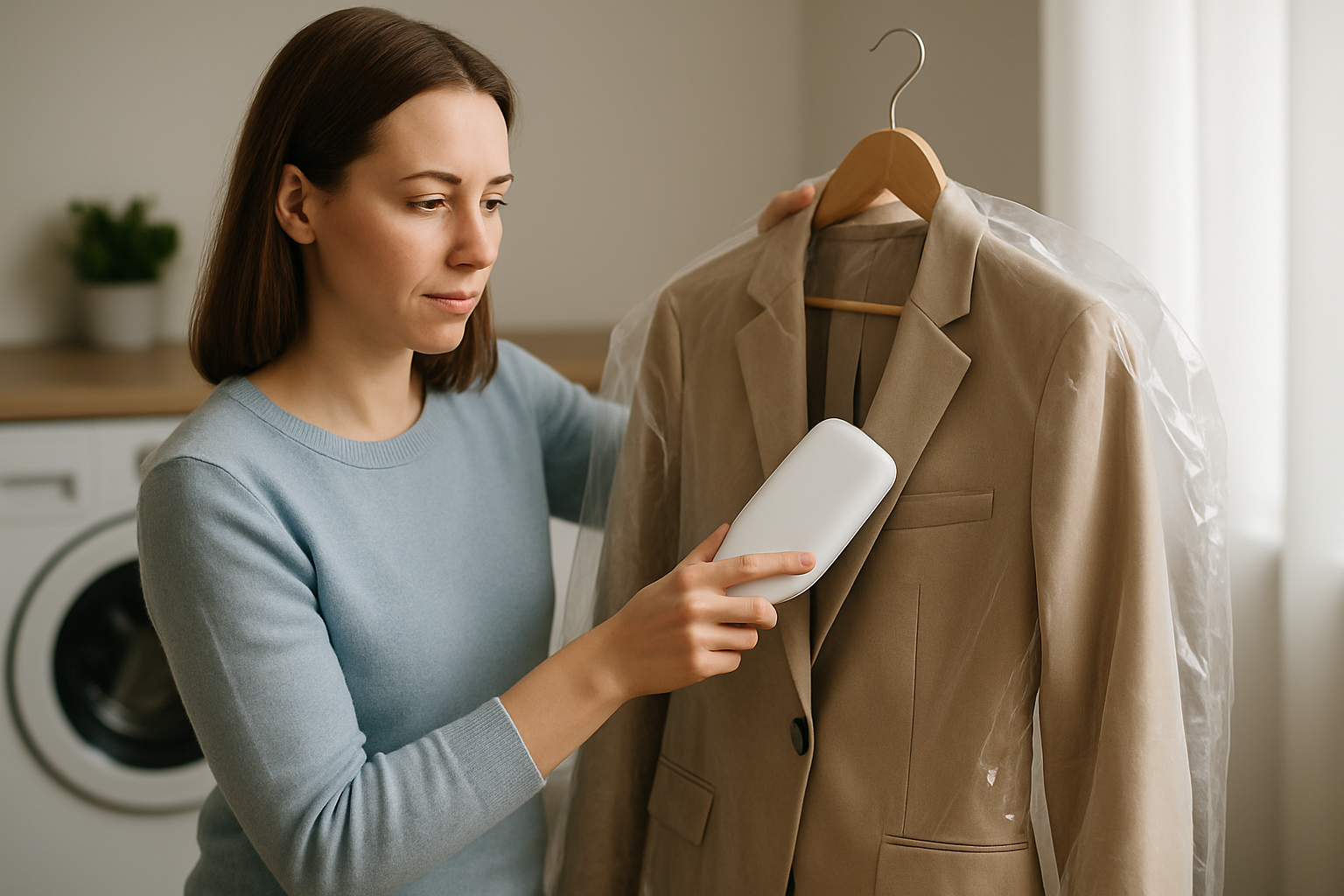
Can I Do Dry Cleaning at Home? Essential Guide to DIY Care
Have you ever wondered, ‘Can I do dry cleaning at home?’ You’re not alone. Many people are seeking cost-effective and convenient alternatives to professional dry cleaning, especially for delicate fabrics that require special care. With the right knowledge and techniques, it’s possible to effectively clean your garments at home while maintaining their quality. In this article, we will explore various methods of home dry cleaning, the best practices to follow, and tips for avoiding common mistakes. By the end, you’ll have the confidence to tackle your own dry cleaning needs without leaving your house.
Understanding Dry Cleaning Basics
Dry cleaning is a process that uses chemical solvents to clean fabrics without water. This method is particularly effective for delicate items that may be damaged by traditional washing methods. It’s essential to understand the basic principles of dry cleaning to determine if you can replicate these processes at home. While home dry cleaning kits exist, they may not achieve the same level of cleanliness and fabric care as professional services. However, with the right techniques, you can manage light stains and refresh your garments effectively.
What is Dry Cleaning?
Dry cleaning involves using non-water-based solvents to remove dirt and stains from clothing. This method is suitable for fabrics like silk, wool, and linen that may shrink or lose shape in water. Understanding the solvent types and their applications can help you decide whether home dry cleaning is suitable for your wardrobe.
Benefits of Dry Cleaning
One of the main benefits of dry cleaning is its ability to maintain the integrity of delicate fabrics. It effectively removes tough stains without damaging the material. Additionally, dry cleaning can prolong the life of garments by keeping them looking new and fresh, which is an essential consideration for investment pieces in your closet.
Limitations of Home Dry Cleaning
While home dry cleaning options are available, they often lack the effectiveness of professional services. Home kits may not remove all stains, and improper use could lead to fabric damage. It’s important to be aware of the specific cleaning requirements of your garments and consider professional services for items with complex care needs.
Key Points:
- Dry cleaning uses solvents, not water
- Home dry cleaning may not match professional quality
Home Dry Cleaning Methods
If you decide to attempt dry cleaning at home, several methods can be effective for minor cleaning tasks. These methods primarily focus on refreshing garments and treating light stains rather than deep cleaning. Learning about these techniques will help you maintain your clothing between professional cleanings and extend their lifespan.
Dry Cleaning Kits
Home dry cleaning kits typically include a stain remover and a cleaning cloth that can be used in a dryer. These kits are designed to refresh fabrics and remove light stains. Following the instructions carefully is crucial to achieve optimal results without damaging your clothes.
Using Steam to Refresh Fabrics
Steam can be a great alternative to traditional dry cleaning. Using a handheld steamer or the steam setting on your iron, you can remove wrinkles and freshen up garments without direct contact with water. This method is particularly useful for delicate fabrics, as it can eliminate odors and reduce the need for frequent cleaning.
Spot Cleaning Techniques
For small stains, spot cleaning can be an effective approach. Use a clean cloth and a mild solvent or a mixture of water and vinegar to treat the stain. Blot the area gently, avoiding rubbing which could damage the fabric. Always test on an inconspicuous area first to ensure compatibility.
Key Points:
- Home methods focus on light cleaning
- Steam and spot cleaning can be effective alternatives
Understanding Home Dry Cleaning
Home dry cleaning involves using a cleaning kit to clean clothes without using water. These kits typically include a stain remover, fabric protection, and a dryer bag. The process relies on a solvent that mimics traditional dry cleaning methods. While home dry cleaning can save time and money, it’s essential to understand what fabrics and stains can be treated effectively at home. Not all garments are suitable for this method, so always check care labels before proceeding.
Suitable Fabrics for Home Dry Cleaning
Some fabrics are better suited for home dry cleaning than others. Wool, polyester, and some blends perform well, while silk and leather may require professional cleaning. Always refer to the garment’s care label to ensure compatibility with home dry cleaning methods.
Common Stains and Their Treatment
Identifying the type of stain is crucial for effective treatment. Oil-based stains, such as grease, require different handling than water-based stains like coffee or wine. Home dry cleaning kits often include a stain remover, but pre-treating can enhance results. Always test on an inconspicuous area first.
Key Points:
- Home dry cleaning is a viable option for many fabric types.
- Understanding fabric and stain compatibility is essential for effective home cleaning.
💡 Always check the care label before attempting dry cleaning at home to avoid damaging your garment.
💡 Use a lint roller or brush to remove surface dirt before applying any cleaning solution.
The Process of Home Dry Cleaning
Home dry cleaning is relatively straightforward and can be done in a few steps. Begin by preparing your garments; remove any loose dirt or lint. Next, apply the stain remover to targeted areas, following the instructions on the kit. After treatment, place the garment in the provided dryer bag along with the cleaning cloth and run the dryer on a low setting. Ensure that the garments are allowed to cool before wearing to avoid any residual solvent odor.
Step-by-Step Guide
To effectively dry clean at home, start by sorting your clothes by color and fabric type. Treat stains with the included remover and allow it to set for the recommended time. Next, place items in the dryer bag and run the dryer according to the kit’s instructions. Finally, hang items to air out to remove any lingering smells.
Post-Cleaning Care
After completing the home dry cleaning process, inspect your garments for any remaining stains or odors. If necessary, repeat the treatment. Store cleaned clothes in a cool, dry place, and avoid hanging them in direct sunlight to prevent fading. Consider using garment bags for added protection.
Key Points:
- The home dry cleaning process is manageable with proper preparation.
- Post-cleaning care is vital for maintaining garment quality.
💡 Always air out your cleaned garments to eliminate any residual solvent smell.
💡 Consider doing a spot test before treating the entire garment to ensure no adverse reactions occur.
EXPERT TIPS Pro Advice
Test fabrics before cleaning
Testing a small, hidden area of the fabric ensures that your cleaning method won’t damage or discolor the garment.
Use gentle heat
When using the dryer, opt for low heat to avoid damaging delicate fabrics while effectively releasing cleaning agents.
Store cleaning supplies properly
Keep your dry cleaning kits in a cool, dry place to maintain their effectiveness and prevent degradation of cleaning agents.
Frequently Asked Questions
Conclusion
Dry cleaning at home is a viable option for maintaining delicate fabrics without risking damage from water. By using home dry cleaning kits and understanding fabric care labels, you can effectively clean your garments. However, be mindful of stain types and frequency to ensure longevity.
🎯 Key Takeaways:
- Dry cleaning uses solvents instead of water to clean fabrics.
- Home dry cleaning kits can effectively clean delicate garments.
- Check care labels to ensure fabrics are suitable for home dry cleaning.
- Pre-treat tough stains for better results.
- Limit dry cleaning frequency to extend fabric lifespan.
Expert Advice: Always familiarize yourself with the specific care instructions for your garments and test any stain removers on hidden areas first. This approach will help you maintain the quality of your clothing while enjoying the benefits of home dry cleaning.
Take the next step towards maintaining your wardrobe by exploring home dry cleaning techniques and kits that suit your needs.
Leave a Reply