
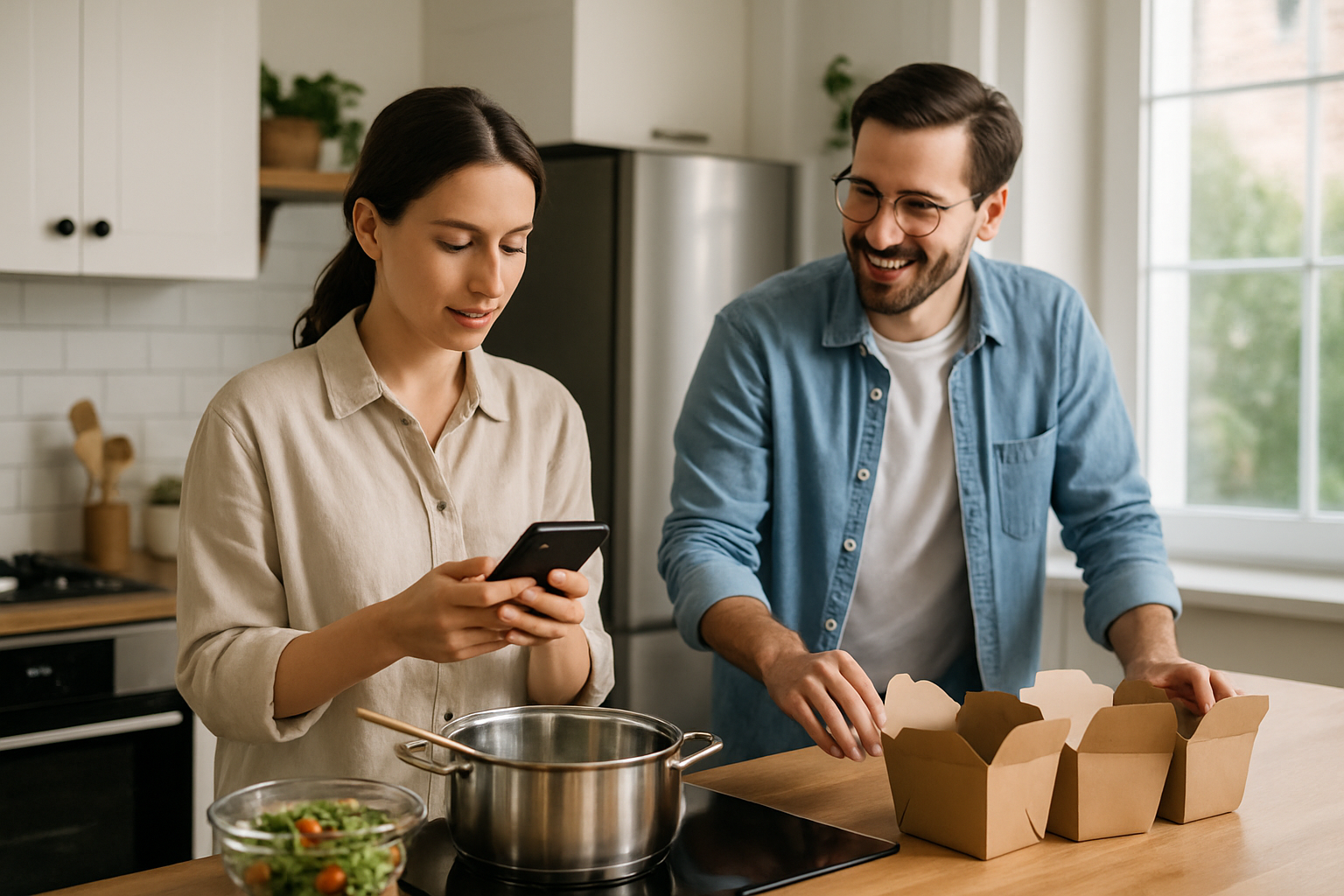
Can We Open Cloud Kitchen at Home? Your Comprehensive Guide
Have you ever wondered, can we open a cloud kitchen at home? With the food delivery industry booming, many aspiring chefs and food enthusiasts are exploring the potential of launching a cloud kitchen from their own kitchens. This innovative business model allows you to prepare meals for delivery without the need for a traditional restaurant setup. In this article, we will delve into the essential requirements, benefits, and challenges of starting a cloud kitchen at home. We will also share valuable insights and tips to help you navigate this exciting venture, ensuring you have the knowledge and confidence to turn your culinary passion into a profitable endeavor.
Understanding Cloud Kitchens
Cloud kitchens, also known as ghost kitchens or virtual kitchens, are commercial cooking spaces that provide food businesses with the infrastructure to prepare meals specifically for delivery or takeout. The rise of food delivery services has made cloud kitchens an appealing option for aspiring restaurateurs. They operate without a traditional dine-in experience, which can significantly lower overhead costs. This model allows chefs and entrepreneurs to focus on food quality and service efficiency. However, it’s essential to understand local regulations and logistics before starting a cloud kitchen at home.
What is a Cloud Kitchen?
A cloud kitchen is a food service establishment that operates without a physical dining space. Instead, it relies on online orders and delivery services. This model can cater to multiple food brands from a single kitchen, allowing for flexibility in menu offerings and reducing startup costs. Entrepreneurs can experiment with different cuisines and concepts without the burden of a traditional restaurant.
Benefits of Operating from Home
Starting a cloud kitchen at home can be financially advantageous. You can save on rent and utilities associated with a commercial kitchen. Additionally, it allows for more control over food preparation and quality. The home environment may also provide flexibility in hours of operation, letting you cater to different customer needs without extensive investment in infrastructure.
Legal and Regulatory Considerations
Before opening a cloud kitchen at home, it’s crucial to understand the legal requirements in your area. Food businesses must comply with health and safety regulations, which often include obtaining the necessary licenses and permits. Local health departments may require inspections to ensure that your kitchen meets hygiene standards. Additionally, zoning laws can affect whether you can operate a food business from a residential location, so it’s essential to research these regulations thoroughly.
Licenses and Permits
Operating a cloud kitchen typically requires specific licenses, which may include a food service license, a business license, and a health department permit. The requirements can vary by location, so it’s essential to consult with your local regulatory body to determine what you need. Ensuring that all necessary permits are secured can prevent legal issues down the line.
Zoning Regulations
Zoning laws dictate what types of businesses can operate in residential areas. Some locations may restrict food establishments from operating at home. Therefore, it’s critical to verify your area’s zoning regulations before setting up a cloud kitchen. If necessary, you may need to apply for a zoning variance or seek alternative locations that comply with local laws.
Understanding Cloud Kitchens
A cloud kitchen, also known as a ghost kitchen or virtual kitchen, operates without a traditional dine-in space, focusing solely on delivery and takeout. Opening a cloud kitchen at home can be a viable business model, provided you understand local regulations and your target market. Researching these factors is essential for success. The primary objective is to create a streamlined menu that caters to delivery services while maintaining quality. Additionally, understanding food safety regulations for home-based businesses is crucial to ensure compliance and avoid penalties.
Market Research and Feasibility
Before starting a cloud kitchen, conduct thorough market research to identify potential customers and competitors. Determine the demand for specific cuisines in your area and analyze pricing strategies. Consider conducting surveys or focus groups to gather insights into customer preferences and willingness to order from home kitchens. This information will guide menu development and marketing strategies.
Legal Considerations
Operating a cloud kitchen from home may involve various legal requirements. Check zoning laws in your locality to ensure your home is permitted for food production. Additionally, obtain necessary licenses, such as food handler permits and health department approvals. Compliance with safety and sanitation regulations is critical to avoid legal issues and ensure food quality.
Key Points:
- Cloud kitchens focus solely on delivery and takeout, eliminating dine-in space.
- Understanding local regulations is crucial for operating a home-based food business.
💡 Know your local regulations to avoid fines and ensure safety compliance.
💡 Conduct surveys to understand customer preferences and tailor your menu accordingly.
Setting Up Your Cloud Kitchen
Setting up a cloud kitchen at home requires careful planning and organization. First, designate a specific area in your kitchen for food preparation, ensuring it meets health and safety standards. Invest in quality kitchen equipment that suits your cooking style and menu offerings. Maintaining an organized workspace is essential for efficiency and compliance with food safety regulations. Additionally, consider your packaging options, as they play a vital role in delivering a great customer experience while ensuring food quality during transit.
Menu Development and Pricing
Develop a concise menu that focuses on a few signature items to streamline operations. Pricing should reflect ingredient costs, labor, and market rates, ensuring profitability while remaining competitive. Test recipes and gather feedback from friends or family to refine offerings before launching. A well-thought-out menu can enhance customer satisfaction and encourage repeat orders.
Marketing and Customer Acquisition
Effective marketing strategies are essential to attract customers to your cloud kitchen. Utilize social media platforms to showcase your dishes and engage with the local community. Collaborate with food delivery apps to reach a broader audience. Consider offering promotions or discounts during the initial launch phase to build a customer base and encourage reviews.
Key Points:
- Designate a specific cooking area in your home to meet health standards.
- A well-planned menu and effective marketing strategy are crucial for success.
💡 Create a concise menu to improve efficiency and customer focus.
💡 Leverage social media for marketing and customer engagement.
EXPERT TIPS Pro Advice
Focus on food safety and sanitation.
Ensuring food safety is non-negotiable. Regularly clean and sanitize your workspace to prevent contamination and follow best practices for food handling.
Streamline your operations.
Efficiency is key in a cloud kitchen. Optimize your cooking and prep processes to reduce wait times, enhancing customer satisfaction and operational flow.
Engage with your customers.
Build a loyal customer base by interacting with them on social media. Respond to feedback and create a community around your kitchen, fostering brand loyalty.
Frequently Asked Questions
Conclusion
Opening a cloud kitchen at home can be a viable and profitable venture if you adhere to local regulations and prioritize food safety. By effectively marketing your kitchen and understanding operational challenges, you can carve out a niche in the food delivery market.
🎯 Key Takeaways:
- Ensure compliance with local food safety regulations.
- Utilize digital marketing strategies to attract customers.
- Consider operational challenges like logistics and staffing.
- Determine competitive pricing based on costs and market research.
Expert Advice: Thoroughly research local laws and market trends. Create a solid business plan that outlines your vision, target audience, and operational strategies to set yourself up for success.
Start by researching local regulations and drafting a business plan to turn your cloud kitchen idea into reality.
Leave a Reply