
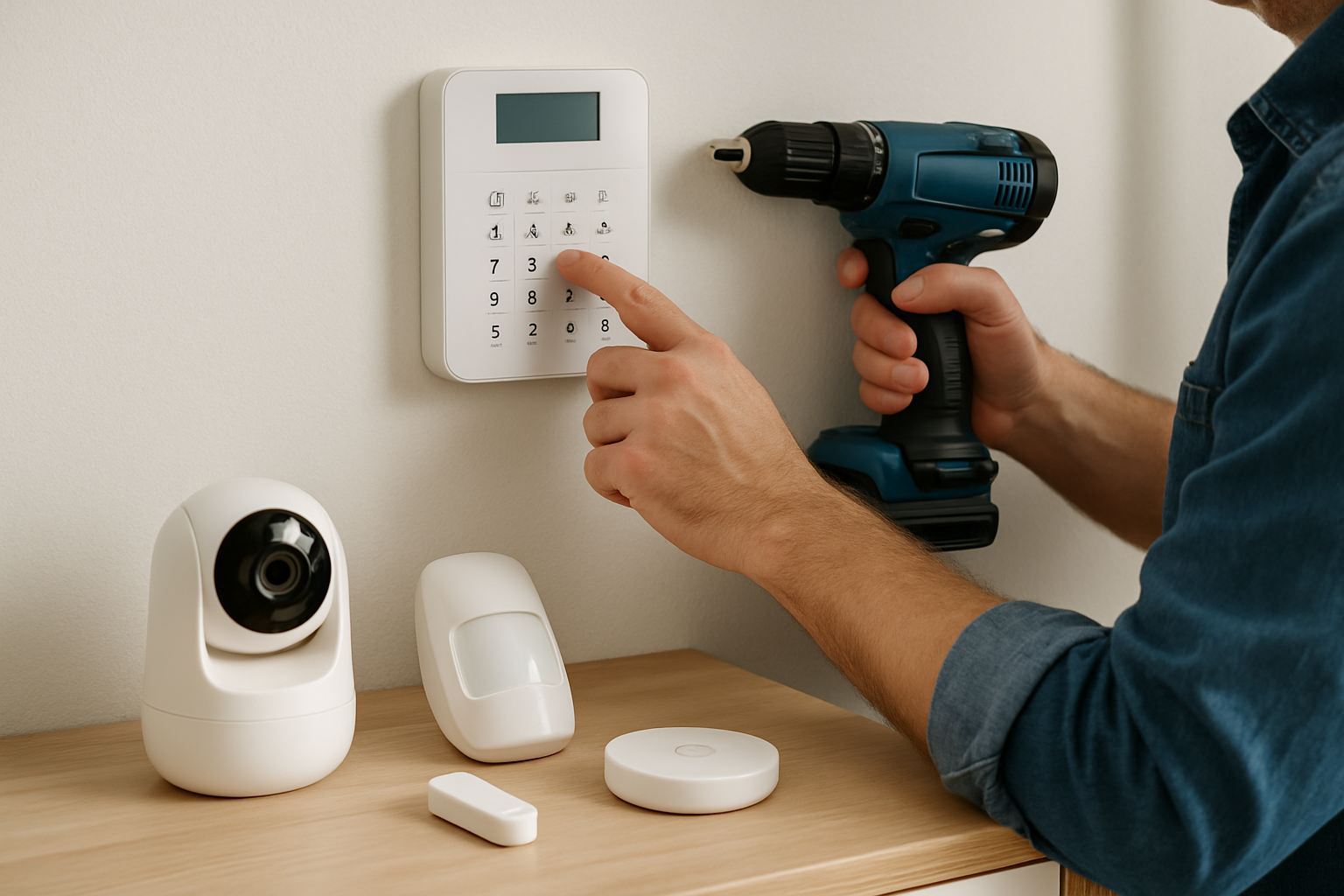
Are you concerned about the safety of your home but hesitant to invest in expensive security services? Do it yourself wireless home security systems provide a cost-effective solution that empowers you to take control of your home’s safety. With a growing number of homeowners opting for DIY systems, understanding how to set one up can be a game changer. In this article, we will explore the fundamentals of wireless home security systems, the benefits of going DIY, and provide step-by-step guidance on installation. By the end of this guide, you’ll have the knowledge to secure your home confidently and effectively.
Understanding Do It Yourself Wireless Home Security Systems
Do it yourself wireless home security systems offer homeowners a cost-effective and customizable approach to safeguarding their properties. Unlike traditional systems that require professional installation and monitoring, DIY systems empower users to set up and manage their security solutions. These systems typically include components such as cameras, motion detectors, alarms, and smart home integrations. The ease of installation and flexibility to adapt to changing needs make DIY systems an appealing option for many. However, it’s crucial to understand the technology and best practices to ensure optimal performance and security.
Key Components of DIY Wireless Systems
A typical DIY wireless home security system consists of several key components. These include security cameras for surveillance, motion sensors for detecting movement, door/window sensors to monitor entries, and a control panel to manage the system. Users can often integrate smart home devices such as smart locks and lights, enhancing the security measures. Understanding these components is vital for creating a comprehensive security plan tailored to your home.
Benefits of Wireless Technology
Wireless technology eliminates the need for extensive wiring, making installation simpler and less invasive. Users can easily relocate devices as needed without the hassle of rewiring. Wireless systems also offer increased flexibility in terms of scalability; homeowners can start with a basic setup and expand as their security needs evolve. Additionally, many systems provide remote access through mobile apps, allowing users to monitor their homes from anywhere.
Key Points:
- DIY systems empower homeowners with control
- Wireless technology simplifies installation and monitoring
Choosing the Right DIY Wireless Security System
Selecting the right DIY wireless home security system involves assessing your specific needs and understanding the features available. Various factors, including the size of your property, the level of security required, and your budget, play a crucial role in decision-making. Understanding the types of sensors and cameras available, as well as potential smart home integrations, can help in choosing a system that fits your lifestyle and offers adequate protection.
Assessing Your Security Needs
Begin by evaluating your home’s vulnerabilities. Consider factors such as entry points, visibility, and the presence of valuables. A thorough assessment will help you determine how many cameras and sensors you might need. Additionally, think about whether you require indoor surveillance, outdoor monitoring, or a combination of both. This assessment will guide you in selecting an appropriate system that effectively addresses your security concerns.
Evaluating Features and Connectivity
When comparing DIY wireless systems, look for essential features like video resolution, night vision, two-way audio, and cloud storage options. Connectivity is also important; systems that support Wi-Fi, Z-Wave, or Zigbee provide flexibility for integration with other smart home devices. Check for user-friendly mobile apps that allow for remote monitoring and alerts, ensuring you can stay informed about your home’s security status anytime.
Key Points:
- Assess your specific security needs first
- Evaluate system features for compatibility and ease of use
Understanding Wireless Home Security Systems
Wireless home security systems are increasingly popular due to their flexibility and ease of installation. Unlike traditional wired systems, these setups use Wi-Fi or cellular networks to communicate. This allows homeowners to install and manage security equipment without the need for extensive wiring. A typical system includes components such as cameras, motion detectors, and alarms that can be controlled via a smartphone app. When choosing a system, consider key factors like range, battery life, and compatibility with other smart home devices to ensure a seamless integration into your home.
Components of a Wireless Security System
A standard wireless security system includes several key components: cameras for video surveillance, motion detectors for intruder alerts, and alarms to notify homeowners of breaches. Additionally, some systems may offer door/window sensors and smart locks. Understanding the roles of each component helps in selecting the right mix for your needs, ensuring comprehensive coverage of your property.
Installation Process
Installing a wireless security system is generally straightforward. Start by planning the layout of your devices to maximize coverage. Mount cameras at appropriate heights and angles to capture critical areas. Follow the manufacturer’s instructions for connecting devices to your Wi-Fi network, and test each component to ensure they are functioning properly. A meticulous installation process can significantly enhance the system’s effectiveness.
Key Points:
- Wireless systems offer easy installation and flexibility.
- Components must be strategically placed for optimal security.
💡 Ensure strong Wi-Fi coverage throughout your home to avoid connectivity issues.
💡 Regularly update your system software to protect against vulnerabilities.
Advanced Features and Customization
Many DIY wireless home security systems offer advanced features that can enhance security. These may include remote monitoring, integration with smart home devices, and customizable alerts. Remote access through mobile apps allows homeowners to view live feeds and receive notifications of suspicious activities from anywhere. Furthermore, integrating your system with smart home technology can enable automation, such as turning on lights when motion is detected, which can deter intruders.
Remote Monitoring and Alerts
Remote monitoring is a crucial feature in DIY systems, allowing homeowners to keep an eye on their property in real-time. Most systems send instant alerts to your smartphone if any unusual activity is detected. This capability provides peace of mind, especially when you’re away from home, as it allows for immediate action if necessary.
Smart Home Integration
Integrating your security system with smart home technology can create a cohesive environment that enhances safety and convenience. For instance, you can connect your security system to smart lights and thermostats, enabling automated responses to security events. This level of customization not only improves security but can also enhance energy efficiency in your home.
Key Points:
- Advanced features enhance security and convenience.
- Integration with smart home devices offers added customization.
💡 Utilize app features to customize alerts based on your lifestyle and preferences.
💡 Regularly review and adjust camera angles and settings for optimal performance.
EXPERT TIPS Pro Advice
Regularly test your system.
Frequent testing ensures all components are functioning as intended, which is crucial for maintaining security.
Use strong passwords for your system.
A strong password is essential for preventing unauthorized access to your system and protecting your personal information.
Educate your family on system usage.
Ensure that everyone in your household understands how to operate the security system, which can be vital during emergencies.
Consider additional sensors for vulnerable areas.
Identifying and securing vulnerable entry points in your home can greatly reduce the risk of break-ins.
Stay informed about security trends.
Keeping up-to-date with the latest security technology and trends can help you make informed decisions about upgrades and enhancements.
Frequently Asked Questions
Conclusion
DIY wireless home security systems offer flexibility, cost savings, and the ability to customize your security setup. With strategic installation and attention to security features, homeowners can effectively monitor their properties. Understanding system scalability and monitoring options can enhance your overall security strategy.
🎯 Key Takeaways:
- DIY systems provide control over installation and customization.
- Strategic placement of devices is crucial for effective monitoring.
- Look for features like video quality and motion detection.
- Scalability allows for future upgrades as needed.
- Professional monitoring is optional but adds an extra layer of security.
Expert Advice: Take your time researching and planning your DIY wireless home security system. Prioritize areas that need the most protection, and don’t hesitate to seek advice from online communities or security experts.
Start assessing your home’s security needs today and explore options for implementing a DIY wireless home security system.
Leave a Reply