
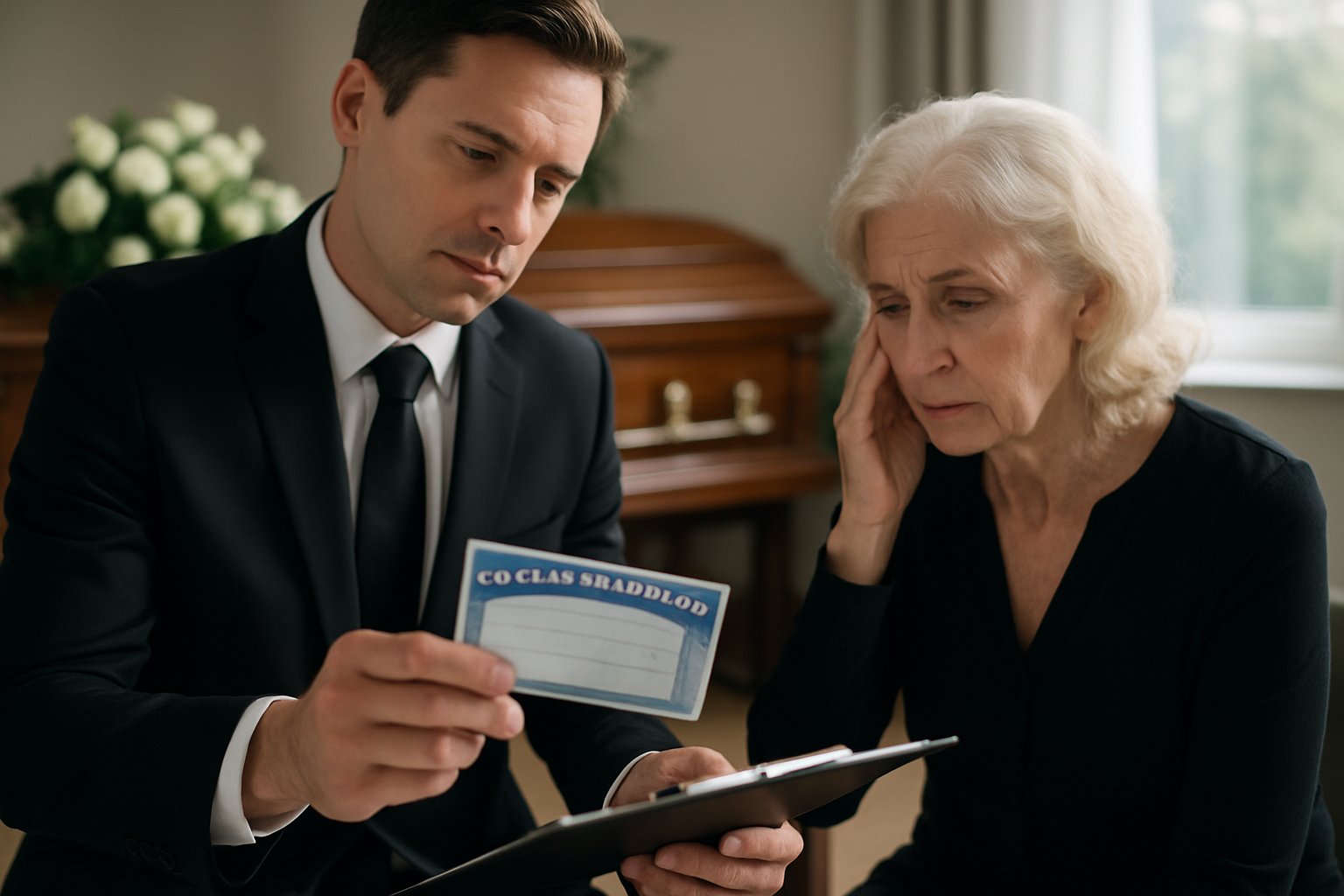
When a loved one passes away, many questions arise, particularly regarding the responsibilities of funeral homes and the notification process to social security. Understanding does funeral home notify social security can ease some of the burdens during this challenging time. With over 15 years of experience in guiding families through these processes, we provide clarity on what to expect and the necessary steps involved. In this article, you will learn about the role of funeral homes in notifying social security, the timelines involved, and how you can ensure that all necessary notifications are made promptly. By the end, you will have a comprehensive understanding of the process and be better prepared to navigate this difficult period.
Understanding Funeral Homes and Their Responsibilities
Funeral homes play a crucial role in managing the logistics of a person’s passing. One of their responsibilities includes the notification of various agencies, including Social Security. When a loved one dies, the funeral home typically assists the family in handling the necessary paperwork, which includes the completion of a death certificate. This document is essential for notifying Social Security about the individual’s death, as it provides official confirmation needed to close the deceased’s Social Security account and stop benefit payments.
Role of the Funeral Home
Funeral homes are responsible for coordinating the services related to a deceased individual. This includes arranging for the burial or cremation, preparing the body, and providing support to the family. They also guide families in completing the required forms, including those necessary for Social Security.
Importance of Death Certificates
The death certificate is a legal document that confirms the death of an individual. It is vital for several processes, including notifying Social Security. Funeral homes ensure that the death certificate is filed with the appropriate state authorities, making it easier to notify Social Security.
Key Points:
- Funeral homes assist families in handling death-related logistics, including notifications.
- The death certificate is essential for notifying Social Security and stopping benefit payments.
Understanding the Funeral Home’s Role
When a loved one passes away, funeral homes often become the primary point of contact for the bereaved family. One of their responsibilities includes notifying relevant agencies, such as Social Security. This process is crucial because it triggers the cessation of benefits and allows survivors to claim any eligible death benefits. Funeral homes are generally well-versed in these procedures, ensuring that families are relieved of this burden during a difficult time. Understanding how this notification process works can help families navigate the complexities of dealing with Social Security.
Initial Notification Process
Upon the death of an individual, the funeral home typically requests the deceased’s Social Security number. They then submit this information to the Social Security Administration (SSA) along with the death certificate. This initial notification is essential for preventing the unauthorized continuation of benefits.
Role of the Family
While funeral homes handle notifications, families should also be proactive. They can ensure that all necessary documents, like the Social Security card and identification, are readily available. This collaboration can speed up the process and minimize delays.
Key Points:
- Funeral homes play a vital role in notifying Social Security.
- Families should remain engaged in the process for efficient handling.
💡 Always provide accurate information to the funeral home to avoid complications in notifying Social Security.
💡 Keep a checklist of all necessary documents needed for the notification process.
EXPERT TIPS Pro Advice
Document Everything
Keep a record of all communications with the funeral home and Social Security. This ensures you have a clear timeline and can address any discrepancies quickly.
Seek Professional Help
If the process feels overwhelming, consider consulting a funeral director or an estate lawyer. Their expertise can help navigate complex regulations and ensure nothing is overlooked.
Understand Local Policies
Funeral home practices can vary by location. Familiarize yourself with local laws regarding death notifications to ensure all required steps are followed correctly.
Stay Patient and Persistent
The notification and benefits process can be slow. Follow up regularly with both the funeral home and Social Security to ensure everything is proceeding as it should.
Frequently Asked Questions
Conclusion
In summary, funeral homes often notify Social Security of a death, streamlining an important administrative process. Family members can also take on this responsibility but should ensure timely notification to avoid complications with benefits. Confirming the notification can provide peace of mind.
🎯 Key Takeaways:
- Funeral homes typically handle Social Security notifications.
- Notifying Social Security prevents overpayment of benefits.
- Family members can also notify Social Security if preferred.
- Confirming the notification is advisable for peace of mind.
Expert Advice: Stay informed about the processes surrounding death notifications, as timely actions can alleviate financial burdens for surviving family members. Understanding these steps can empower you to make more informed decisions during a difficult time.
If you have experienced a loss, consider reaching out to your local Social Security office to ensure all necessary notifications have been made.
Leave a Reply