
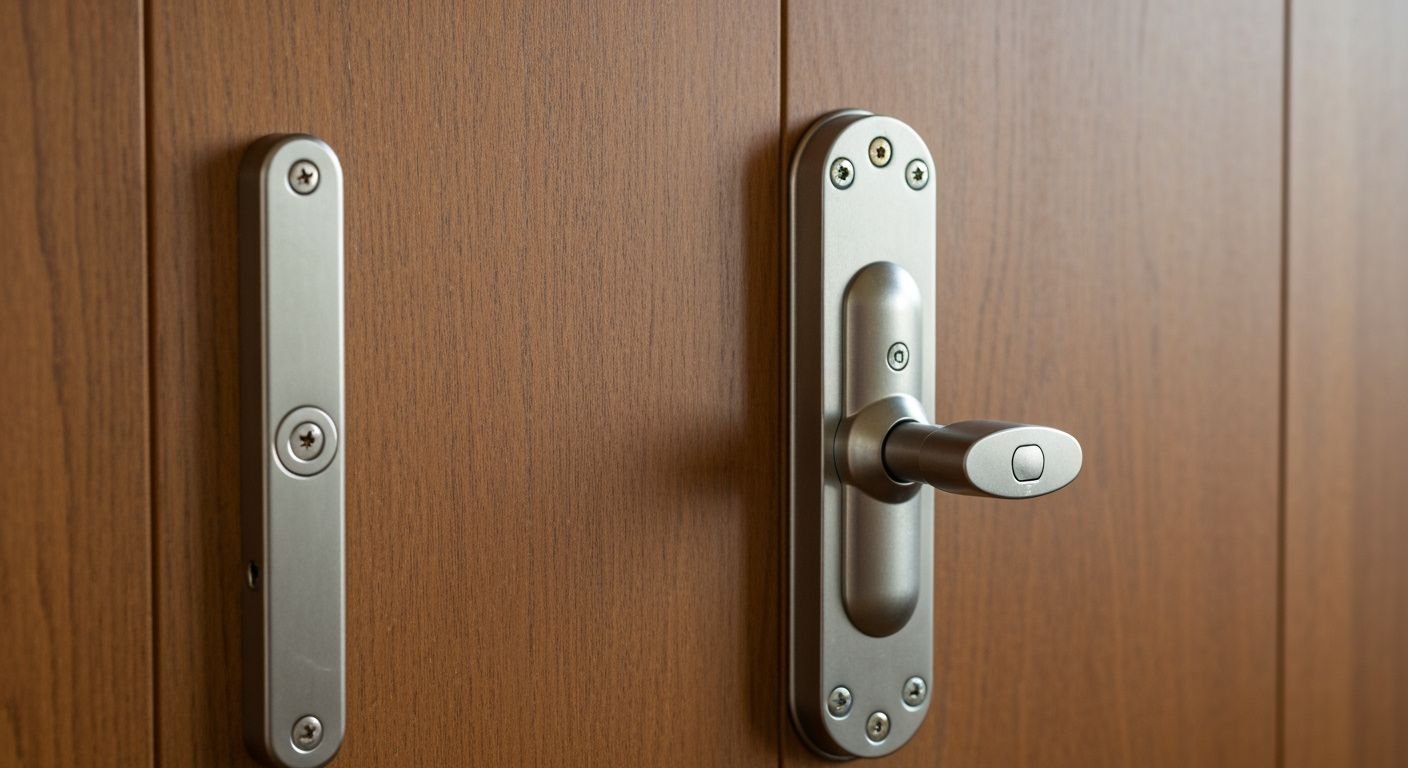
Home Depot Electronic Door Lock: A Comprehensive Guide
Are you concerned about the security of your home? With a growing number of break-ins, many homeowners are turning to innovative solutions like the home depot electronic door lock. These smart locks not only enhance security but also provide convenience with keyless entry features. In this guide, we will explore the benefits of electronic door locks, how they work, and essential installation tips to help you make an informed decision. With over 15 years of experience in home security solutions, we aim to equip you with the knowledge you need to safeguard your home effectively.
Understanding Electronic Door Locks
Electronic door locks are a modern solution to traditional locking mechanisms, providing enhanced security and convenience. These locks operate using a keypad, smartphone app, or biometric recognition. They eliminate the need for physical keys, making it easier for homeowners to control access to their properties. With features like remote locking, customizable access codes, and audit trails, electronic door locks offer a higher level of security compared to standard locks. Many models are designed to withstand tampering and adverse weather conditions, making them suitable for various environments.
Types of Electronic Door Locks
There are several types of electronic door locks, including keypad locks, smart locks, and biometric locks. Keypad locks require a numeric code for entry, while smart locks can be operated via smartphone apps, allowing for remote access. Biometric locks use fingerprint recognition, providing a unique and secure method of entry. Each type has its advantages, so it’s essential to choose one that fits your security needs and lifestyle.
Benefits of Electronic Door Locks
Electronic door locks offer numerous advantages over traditional locks. They provide keyless entry, reducing the chances of losing keys or being locked out. Many models allow for temporary access codes, ideal for guests or service personnel. Additionally, some electronic locks can integrate with home automation systems, enhancing overall home security and convenience. These benefits make electronic door locks a popular choice among homeowners.
Key Points:
- Electronic door locks enhance security and convenience
- Keyless entry reduces the risk of lost keys
Installation and Maintenance of Electronic Door Locks
Proper installation and maintenance are crucial for the effective functioning of electronic door locks. Installation typically requires basic tools and knowledge of door hardware. It’s important to follow manufacturer instructions carefully to ensure the lock is fitted correctly. Regular maintenance involves checking batteries, ensuring electronic components are functioning, and keeping the lock clean to prevent malfunctions. By taking these steps, homeowners can ensure prolonged use and reliability of their electronic locks.
Installation Process
The installation process for electronic door locks generally involves removing the existing lock, fitting the new lock into the door, and connecting any electronic components. It’s important to make sure the lock aligns properly with the strike plate to avoid issues. Homeowners should also verify compatibility with their doors before purchasing a lock to ensure a seamless installation experience.
Routine Maintenance Tips
To extend the lifespan of electronic door locks, routine maintenance is essential. Regularly check the batteries and replace them as needed to prevent lock failures. Clean the keypad and electronic components with a soft, dry cloth to avoid dust buildup. Additionally, test the lock’s functionality periodically to ensure everything is working smoothly and address any issues promptly.
Key Points:
- Proper installation is essential for functionality
- Regular maintenance prevents malfunctions and prolongs lifespan
Understanding Electronic Door Locks
Electronic door locks provide enhanced security and convenience for homeowners. These locks often feature keypad entry, biometric access, or smart technology integration. Unlike traditional locks, they eliminate the need for physical keys, reducing the risk of losing keys or unauthorized duplication. Installation typically involves replacing the existing deadbolt and connecting the lock to a power source, which can be battery-operated or hardwired. Considerations such as the lock’s compatibility with home automation systems and its resistance to hacking are crucial for optimal selection.
Types of Electronic Door Locks
There are several types of electronic door locks, including keypad locks, smart locks, and biometric locks. Keypad locks require a numeric code for access, making it easy to share access without physical keys. Smart locks can be controlled via smartphone apps and often integrate with home automation systems, allowing for remote locking and unlocking. Biometric locks use fingerprint recognition for access, providing a high level of security but may come at a higher cost.
Installation Process
Installing an electronic door lock typically involves removing the existing deadbolt and replacing it with the new lock. First, ensure you have the correct tools, such as a screwdriver and possibly a drill. Follow the manufacturer’s instructions closely for wiring, if applicable. After installation, test the lock several times to ensure it operates smoothly. It’s advisable to consult a professional if you’re not comfortable with DIY projects.
Key Points:
- Electronic locks enhance security by eliminating physical keys.
- Installation can often be completed by homeowners with basic tools.
💡 Choose a lock that integrates with your home automation system for enhanced functionality.
💡 Always change the default access codes or passwords for security.
💡 Regularly check and replace batteries in battery-operated locks to avoid lockouts.
Security Features of Electronic Door Locks
When selecting an electronic door lock, examining its security features is paramount. Look for locks with encryption technology that protects against hacking attempts. Features such as auto-locking, alarm systems, and tamper alerts can significantly enhance security. Additionally, consider locks that offer audit trails, allowing you to track who accessed your home and when. These features not only provide peace of mind but also help in maintaining an overall secure home environment.
Encryption and Security Protocols
Modern electronic door locks often utilize encryption protocols to safeguard against unauthorized access. Look for locks that employ AES (Advanced Encryption Standard) or similar technologies, which ensure that data transmitted between the lock and your smartphone or control panel is secure. This level of encryption is critical in preventing hackers from intercepting signals or gaining access to your home.
Monitoring and Alerts
Many electronic locks now come equipped with monitoring capabilities, allowing homeowners to receive alerts on their smartphones when the lock is engaged or disengaged. This feature is particularly useful for tracking family members or service personnel who may need access. Some systems can also trigger alarms if tampering is detected, offering an additional layer of protection.
Key Points:
- Security features like encryption and alerts enhance the safety of electronic locks.
- Regular monitoring can provide insights into home access patterns.
💡 Invest in a lock with a robust encryption standard to protect against cyber threats.
💡 Enable notifications for lock activity to stay informed about who enters and exits your home.
💡 Consider a lock with a backup key option for emergencies and power outages.
EXPERT TIPS Pro Advice
Regularly update firmware
Keeping your electronic lock’s firmware updated ensures you benefit from the latest security patches and enhancements, protecting against evolving threats.
Use unique access codes
Assign unique codes for each family member or trusted visitor to maintain security and easily revoke access if necessary, reducing the risk of unauthorized entry.
Conduct routine security audits
Periodically evaluate your lock’s performance and security features to ensure they meet your current needs and address any vulnerabilities.
Educate family members
Ensure that all users understand how to operate the lock and recognize potential security threats, fostering a culture of home security awareness.
Consider professional installation
If you’re unsure about installation, hiring a professional can ensure the lock is installed correctly, maximizing its security features and functionality.
Frequently Asked Questions
Conclusion
In summary, electronic door locks offer various benefits over traditional locks, including enhanced security and convenience. Understanding their functionality, installation, and maintenance is crucial for maximizing their advantages. Choosing the right type depends on personal preferences and security needs.
🎯 Key Takeaways:
- Electronic door locks provide keyless entry and improved security.
- Installation is straightforward; follow manufacturer instructions for best results.
- Regular maintenance includes checking batteries and cleaning keypads.
- Consider your access preferences when choosing between keypad and smart locks.
Expert Advice: Evaluate your security needs and preferences carefully when selecting an electronic door lock. Prioritize features that enhance convenience while ensuring strong security measures are in place.
Explore various types of electronic door locks to find the best fit for your home security needs.
Leave a Reply