
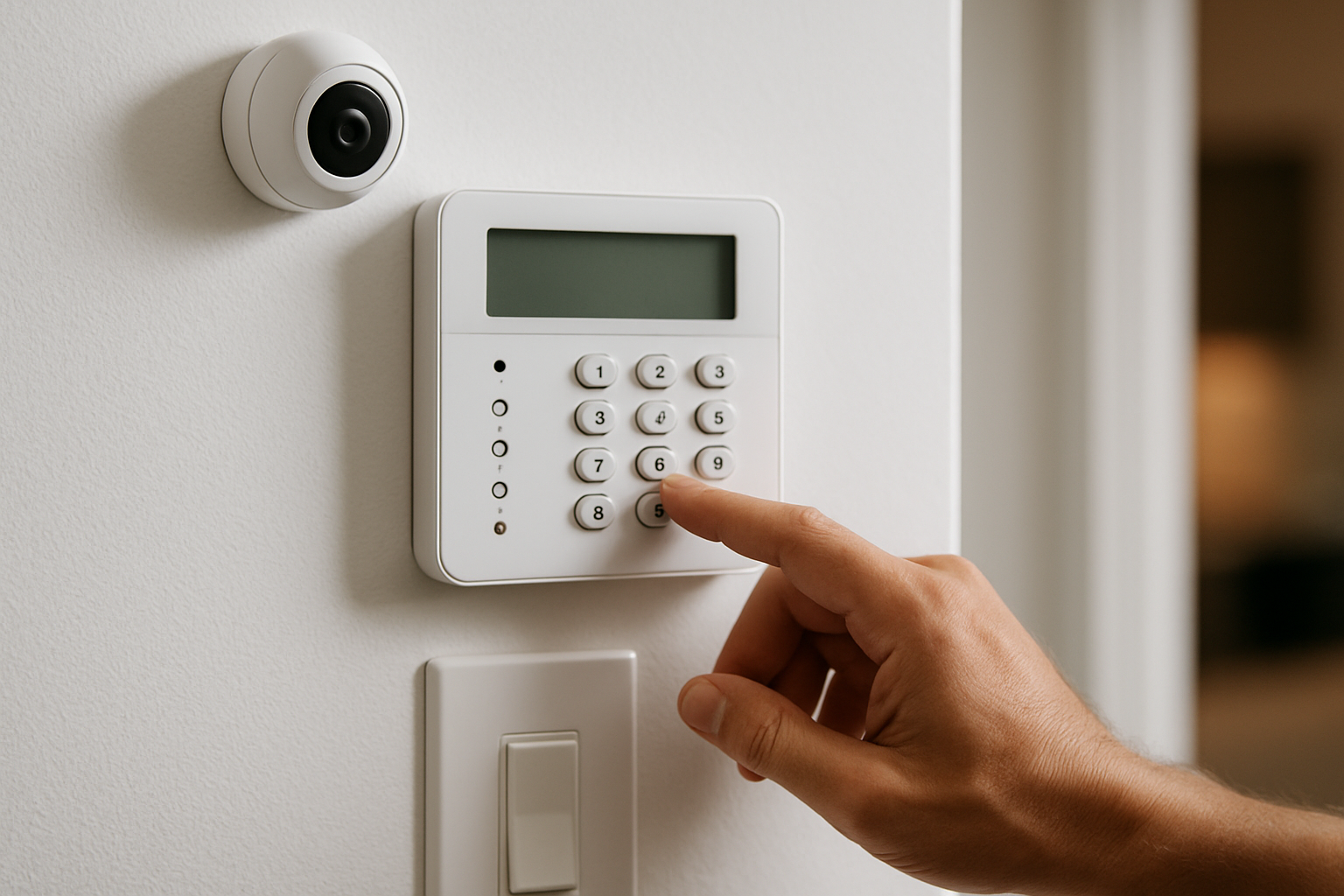
Are you concerned about the safety of your home? Understanding how do home security systems work is crucial for protecting your loved ones and belongings. With burglary rates increasing in various regions, investing in a reliable security system has never been more important. In this article, we will delve into the mechanics of home security systems, exploring their core components, types, and how they function together to create a safe environment. Whether you are considering installing a new system or simply want to enhance your home’s security, our expert insights will provide you with the knowledge you need to make informed decisions.
Understanding Home Security Systems
Home security systems serve as a protective measure for residential properties, designed to deter theft and ensure safety. These systems typically integrate various components, including alarms, sensors, and monitoring services. When an intrusion is detected, the system triggers an alarm, alerting homeowners and potentially deterring the intruder. Additionally, many systems offer remote access, allowing homeowners to monitor their property via smartphones or computers. Understanding how these systems function helps homeowners select the right type for their needs.
Key Components of Home Security Systems
Home security systems consist of essential components such as control panels, sensors, cameras, and alarms. The control panel is the system’s brain, managing communications between devices. Sensors detect movement or entry points, while cameras provide visual monitoring. Alarms alert homeowners and authorities during a breach, creating a comprehensive defense mechanism.
Types of Home Security Systems
There are several types of home security systems, including wired, wireless, and monitored systems. Wired systems connect through physical cables, offering reliability but requiring professional installation. Wireless systems are easier to install and adaptable but may depend on battery life. Monitored systems involve a third-party service that monitors alarms and can alert authorities, providing peace of mind.
Key Points:
- Home security systems integrate various components for protection
- Types of systems vary in installation and monitoring options
How Home Security Systems Operate
Home security systems operate through a combination of technology and communication protocols that ensure effective monitoring and response. When a sensor detects unusual activity, it sends a signal to the control panel, which then triggers an alarm. The system can also alert homeowners via notifications on their devices. Advanced systems may include features such as video surveillance, allowing homeowners to view footage in real time. Understanding the operational flow of these systems is crucial for effective use.
Alarm Activation Process
When a security breach occurs, motion detectors or door/window sensors activate the alarm system. The control panel interprets the signal from the sensor, initiating a variety of responses such as sounding a loud alarm, notifying homeowners, or contacting emergency services automatically. This multi-step process ensures timely alerts and responses to potential threats.
Remote Monitoring Capabilities
Many modern home security systems include remote monitoring features, allowing homeowners to access live feeds and receive notifications via mobile apps. This capability enhances security, especially when homeowners are away. Users can check live camera feeds, receive alerts about suspicious activity, and even interact with visitors through two-way audio systems.
Key Points:
- Security systems activate alarms through sensor detection
- Remote monitoring enhances security and user engagement
Understanding the Components of Home Security Systems
Home security systems typically consist of several key components that work together to provide comprehensive protection. These systems generally include sensors, alarms, cameras, and control panels. Sensors detect unauthorized access or environmental changes, while alarms alert homeowners and authorities in case of an intrusion. Cameras provide visual monitoring and can be accessed remotely for real-time surveillance. Control panels serve as the hub where users can manage their security settings and receive alerts.
Types of Sensors
There are various types of sensors used in home security systems, including door/window sensors, motion detectors, and glass break sensors. Door and window sensors trigger an alarm when a door or window is opened, while motion detectors activate when movement is detected in a designated area. Glass break sensors listen for the sound of breaking glass, providing an additional layer of security against intruders.
The Role of Alarms
Alarms are critical in home security systems as they provide immediate alerts to homeowners and often notify local authorities. They can be loud sirens or silent alarms that send alerts directly to monitoring services. The presence of an alarm can deter potential intruders, making it a vital component of any security setup.
Surveillance Cameras
Surveillance cameras are essential for visual monitoring and evidence collection. They can be wired or wireless and may feature night vision, motion detection, and remote viewing capabilities. Homeowners can access camera feeds through mobile apps or computers, allowing them to monitor their property in real-time, even when away.
Key Points:
- Home security systems consist of sensors, alarms, cameras, and control panels.
- Different types of sensors serve specific purposes to enhance security.
💡 Choose a system with a mix of sensors to cover all entry points effectively.
💡 Regularly test your alarm system to ensure it functions correctly in an emergency.
💡 Consider integrating smart home technology for enhanced control and automation.
How Home Security Systems Communicate
The communication methods used by home security systems are vital for their effectiveness. Most systems operate through wired or wireless connections, allowing them to transmit alerts and data to homeowners and monitoring services. Wireless systems use radio frequency or Wi-Fi, making installation easier and more flexible, while wired systems often provide more stable connections. Additionally, many modern systems incorporate cellular technology, ensuring that alerts are sent even if the internet is down.
Wired vs. Wireless Systems
Wired systems typically require professional installation and can be more reliable, especially in areas with poor wireless coverage. They are less susceptible to interference but can be more challenging to modify. Wireless systems are easier to install and can be expanded, but they may be vulnerable to signal jamming unless additional security measures are taken.
Cellular Communication
Cellular communication is increasingly used in home security systems for sending alerts and notifications. This method offers a higher level of reliability since it does not depend on internet connectivity. Cellular systems can still communicate with monitoring centers even during power outages, making them a robust option for homeowners.
Remote Monitoring Capabilities
Remote monitoring allows homeowners to access their security system via smartphones or computers. This feature provides real-time alerts and access to camera feeds, empowering users to respond quickly to potential threats. Regularly updating the software for these devices is essential to maintain security and functionality.
Key Points:
- Communication methods include wired, wireless, and cellular technologies.
- Remote monitoring enhances the effectiveness of home security systems.
💡 Evaluate your home’s layout and choose a communication method that suits your needs.
💡 Ensure your wireless system has encryption to protect against hacking.
💡 Use a backup power source to keep your system operational during outages.
EXPERT TIPS Pro Advice
Regularly update software for your security system.
Keeping software up-to-date protects against vulnerabilities and enhances system functionality, ensuring optimal security.
Conduct periodic security assessments.
Regularly reviewing your security setup can uncover weaknesses and help you adapt to new threats, ensuring comprehensive protection.
Integrate environmental sensors.
Adding sensors for smoke, carbon monoxide, and flooding increases overall safety and provides alerts for emergencies beyond intrusions.
Utilize professional monitoring services.
Professional monitoring offers 24/7 surveillance, ensuring rapid response to alerts, enhancing the effectiveness of your security system.
Educate family members about the system.
Ensuring everyone understands how the security system works can prevent false alarms and ensure proper use during emergencies.
Frequently Asked Questions
Conclusion
Understanding how home security systems work is essential for protecting your property and loved ones. Key components include sensors, cameras, and alarms, which work together to detect intrusions and alert homeowners. Remote monitoring options enhance convenience, making security accessible from anywhere.
🎯 Key Takeaways:
- Home security systems include sensors, cameras, and alarms.
- Intrusions are detected via various types of sensors.
- Remote monitoring enhances convenience for homeowners.
- Alarm systems provide immediate alerts to potential threats.
- Cameras serve both deterrent and evidence-gathering roles.
Expert Advice: Evaluate your security needs to choose the right home security system. Consider factors like monitoring preferences and the types of sensors that suit your property for maximum effectiveness.
Take the next step by assessing your home security needs and exploring available systems to ensure your safety.
Leave a Reply