
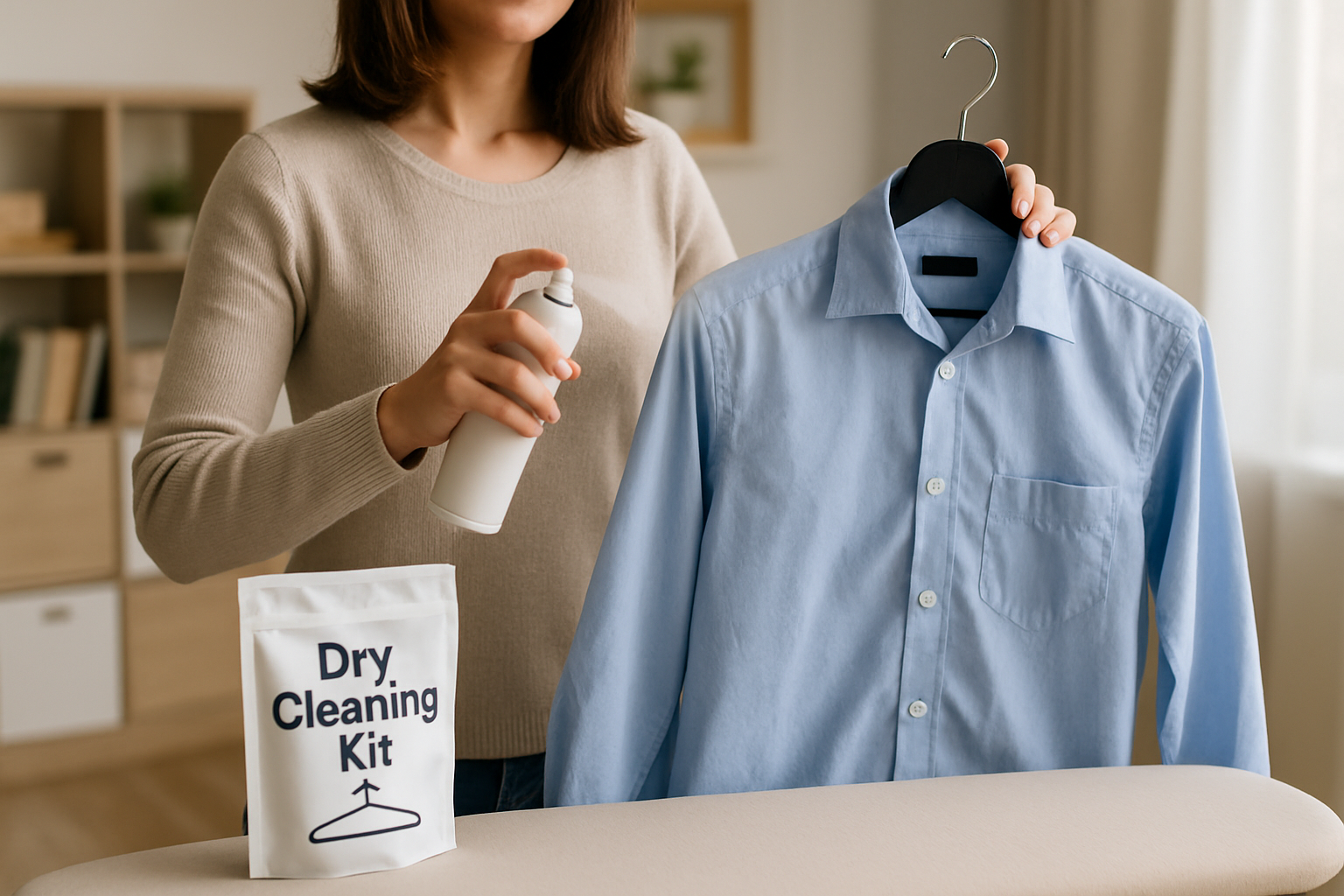
How Dry Cleaning at Home Can Simplify Your Laundry Routine
Have you ever faced the frustration of expensive dry cleaning bills or the hassle of taking garments to the cleaners? You’re not alone. Many people are turning to the convenience of how dry cleaning at home can be both cost-effective and efficient. With the right techniques, you can tackle stains and freshen up your clothes without the need for professional services. In this article, we will explore the various methods for dry cleaning at home, the benefits it offers, and valuable tips to ensure your garments remain in pristine condition. By mastering these strategies, you’ll not only save money but also gain more control over your wardrobe care.
Understanding Dry Cleaning Basics
Dry cleaning is a cleaning method that uses solvents instead of water to clean fabrics. This process effectively removes dirt, stains, and odors from garments that may be too delicate for traditional washing. The solvents used are typically non-toxic and environmentally friendly, making them safe for both fabrics and the environment. Dry cleaning can extend the life of your clothing, preserving colors and textures. Understanding the basics of dry cleaning at home helps ensure that your garments maintain their quality while being effectively cleaned.
The Dry Cleaning Process Explained
The dry cleaning process involves several stages: the pre-treatment of stains, the cleaning cycle using a solvent, and finishing touches like pressing or ironing. Initially, any visible stains are treated with a specialized solution. Next, the garment is placed in a dry cleaning machine, where the solvent circulates to break down dirt. Finally, items are carefully finished to ensure they look their best, which may include steaming or pressing.
Common Fabrics Suitable for Dry Cleaning
Not all fabrics are created equal when it comes to dry cleaning. Common fabrics that benefit from this method include silk, wool, and rayon. These materials are often sensitive to water and can lose their shape or color when washed traditionally. Understanding which fabrics are suitable for dry cleaning is crucial for maintaining their integrity and appearance.
Key Points:
- Dry cleaning uses solvents instead of water.
- Certain fabrics benefit significantly from dry cleaning.
Preparing for Home Dry Cleaning
Preparing for home dry cleaning involves selecting the right materials and understanding the process. Before starting, ensure that the garments you wish to clean are labeled as dry clean only. Having the appropriate tools, such as stain removers, cleaning solutions, and protective bags, is essential for effective cleaning. Proper preparation can significantly enhance the results and protect your clothing during the process.
Gathering Necessary Supplies
To successfully dry clean at home, gather essential supplies including a dry cleaning kit, stain remover, and protective bags for the cleaned garments. A dry cleaning kit typically contains a solvent, cleaning cloths, and instructions. Having these items ready allows for a smooth cleaning process and helps ensure that your garments are treated properly.
Checking Labels and Stains
Always check the care labels on your garments before dry cleaning. Look for any specific instructions regarding stains and fabric care. Pre-treat any visible stains with a suitable solvent to enhance the effectiveness of the dry cleaning process. This step is crucial in achieving the best results and ensuring that no stains remain after cleaning.
Key Points:
- Ensure garments are labeled as dry clean only.
- Pre-treat stains for best results.
Understanding the Basics of Dry Cleaning at Home
Dry cleaning at home is a convenient alternative to traditional dry cleaning, allowing you to care for delicate fabrics without the need for professional services. The process involves using solvents, typically in a home dry cleaning kit, which can effectively remove stains and odors while preserving the integrity of the fabric. Understanding the materials and methods is crucial to achieving the best results without damaging your garments.
Common Fabrics Suitable for Home Dry Cleaning
Home dry cleaning is generally suitable for fabrics such as wool, silk, polyester, and blends. These materials often require gentle cleaning to maintain their appearance. Always check care labels for specific instructions to avoid damage. For instance, while silk can be dry cleaned, some blends may tolerate machine washing better.
The Dry Cleaning Process Explained
The dry cleaning process at home typically involves pre-treating stains, placing items in a dryer bag with cleaning pads, and running a low heat cycle. This process mimics traditional dry cleaning by using solvents to break down stains without soaking the fabric in water. Follow the instructions carefully for optimal results, ensuring proper ventilation and avoiding overloading the dryer.
Key Points:
- Home dry cleaning can save money and time
- Proper technique is essential to prevent fabric damage
💡 Always test fabrics for colorfastness before full cleaning
💡 Read garment care labels for specific cleaning instructions
Advanced Techniques for Effective Home Dry Cleaning
For those looking to achieve professional results at home, employing advanced techniques can enhance the effectiveness of dry cleaning. These methods can help in dealing with tougher stains or delicate items. Understanding the science behind solvents and fabric care can elevate your home cleaning skills, ensuring your garments look their best.
Effective Stain Removal Techniques
Pre-treating stains before the dry cleaning process is crucial. For oil-based stains, dab with a solvent-based cleaner, while water-based stains might need a gentle detergent. Allow the treatment to sit for a few minutes before proceeding with the dry cleaning process. This step increases the likelihood of removing stubborn stains effectively.
Maintaining Fabric Integrity
To maintain fabric integrity during home dry cleaning, use the right temperature settings on your dryer. A low heat setting helps prevent shrinkage and damage. Additionally, avoid overloading the dryer, as this can prevent the cleaning pads from working effectively, leading to unsatisfactory results.
Key Points:
- Advanced techniques can lead to better cleaning outcomes
- Proper stain treatment can save garments from permanent damage
💡 Use a color-safe stain remover to prevent discoloration
💡 Consider air drying delicate items to avoid heat damage
EXPERT TIPS Pro Advice
Always do a fabric test
Testing a small, inconspicuous area of the fabric before cleaning helps ensure that colors won’t bleed or the fabric won’t get damaged.
Use proper ventilation
Ventilation is key when using solvents; it helps to avoid inhaling fumes and ensures a more effective cleaning process.
Follow instructions meticulously
Adhering closely to the guidelines provided with your dry cleaning kit maximizes effectiveness and minimizes the risk of damaging your clothes.
Store dry cleaned items properly
After cleaning, store garments in breathable garment bags to protect them from dust and maintain their freshness.
Keep your cleaning area organized
An organized cleaning space helps streamline the process, making it easier to access materials and follow each step without confusion.
Frequently Asked Questions
Conclusion
Dry cleaning at home offers a convenient and cost-effective way to maintain your garments while preserving their integrity. By understanding the process, suitable fabrics, and care methods, you can effectively clean your clothes without the need for professional services.
🎯 Key Takeaways:
- Dry cleaning at home uses solvents to clean clothes without water.
- Check fabric care labels to determine suitability for home methods.
- Frequency of cleaning depends on garment use and fabric type.
- Always test a small area before full cleaning to avoid damage.
Expert Advice: To successfully dry clean at home, familiarize yourself with fabric types and cleaning techniques. Invest time in understanding the process to ensure the best care for your clothes.
Start exploring home dry cleaning methods and take charge of your garment care today!
Leave a Reply