
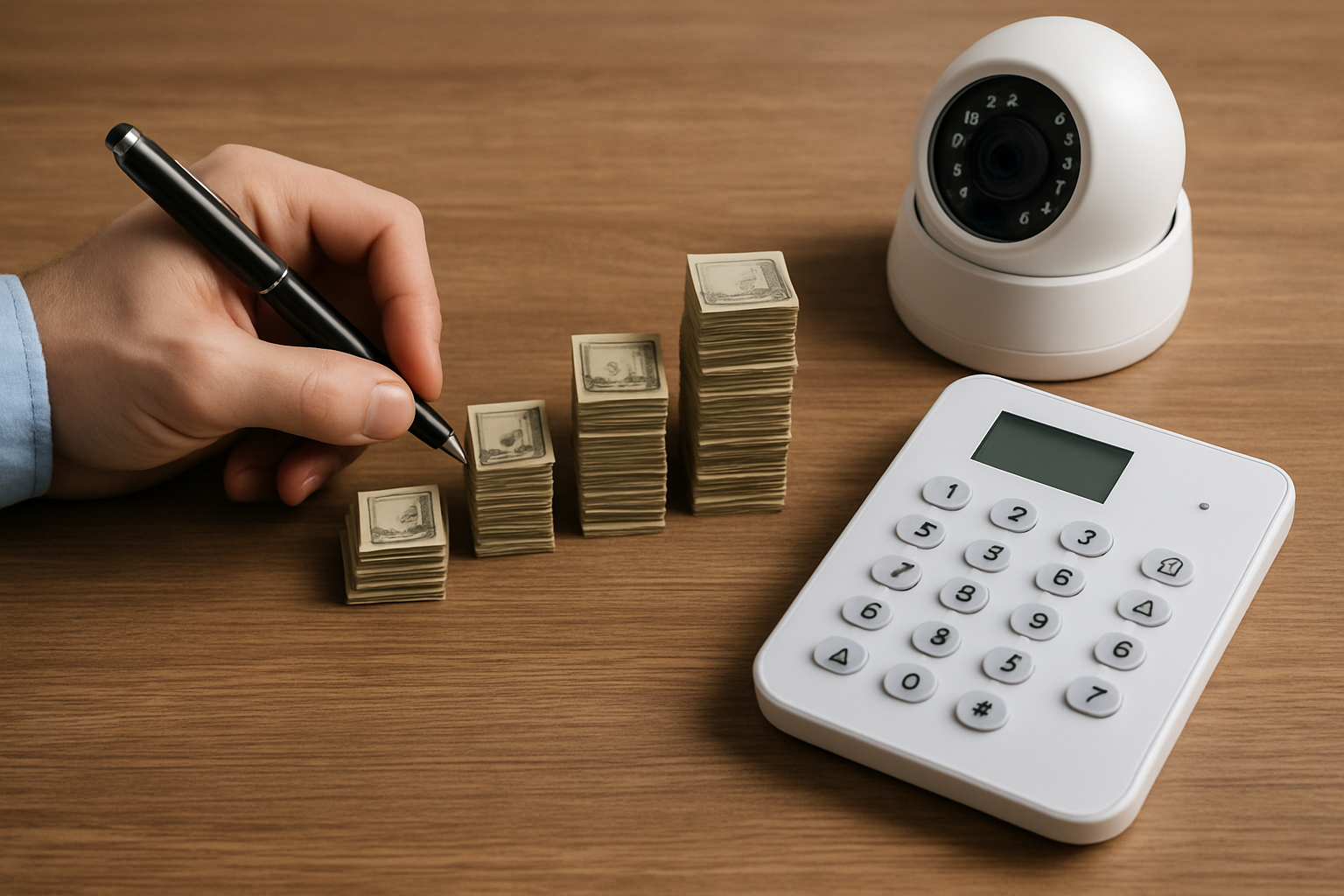
Are you considering a home security system but unsure about the costs involved? You’re not alone—many homeowners share this concern. Understanding how much do home security systems cost is vital for making informed decisions about your safety and budget. With over 15 years of experience in security and home safety, I can guide you through the various factors that influence pricing, from installation fees to monthly monitoring costs. In this article, you’ll learn about average pricing, essential components that affect costs, and tips for choosing a system that fits your financial situation. Let’s dive in and explore the costs of securing your home.
Understanding Home Security System Costs
When considering how much do home security systems cost, it’s important to understand the various components that contribute to the overall price. Typically, costs can range from a few hundred to several thousand dollars, depending on the system’s complexity and features. Factors such as equipment, installation, monitoring services, and additional features significantly impact the total expense. It’s essential to assess your needs and budget to find the right balance between security and affordability.
Initial Equipment Costs
The initial equipment costs for home security systems can vary widely. Basic systems might include door and window sensors, while more advanced setups may come with cameras, motion detectors, and smart home integration. A basic DIY system can start as low as $200, whereas professionally installed systems may range from $500 to $2,000, depending on the number of sensors and features included.
Installation Expenses
Installation expenses can either be self-managed or professionally handled. DIY installation is often cheaper, costing nothing beyond the equipment itself, while professional installation typically ranges from $100 to $300. Some providers may include installation in the overall package price, so it’s crucial to clarify this when inquiring about system costs.
Monitoring Services and Fees
Monitoring services add an ongoing cost to home security systems. Monthly monitoring fees can range from $15 to $60 depending on the level of service provided. Some systems offer self-monitoring options through mobile apps, which can eliminate this cost. It’s vital to consider whether 24/7 professional monitoring is necessary for your home security needs.
Key Points:
- Cost varies significantly based on system features
- Installation can be DIY or professional, impacting overall cost
- Monitoring services represent an ongoing expense
Factors Influencing Home Security System Pricing
Several factors influence how much do home security systems cost, including the type of system, geographic location, and specific security needs. Understanding these factors can help homeowners make informed decisions when selecting a security solution. Customization options also play a significant role; tailored systems may have higher costs compared to standard packages, reflecting the importance of personal requirements in determining the final price.
Type of Security System
The type of security system you choose—wired, wireless, or a hybrid—can significantly impact costs. Wired systems often require more installation work, leading to higher costs. Wireless systems may have lower installation fees but could require more expensive equipment. Assessing the pros and cons of each type will help you understand the pricing differences.
Geographic Location
Geographic location can influence pricing due to variations in labor costs and the crime rate in the area. Urban areas may have higher installation and monitoring fees compared to rural locations. Additionally, some regions might face specific security challenges that necessitate more advanced systems, affecting overall pricing.
Customization and Add-Ons
Customization options, such as additional cameras, smart home features, and environmental sensors (like smoke or carbon monoxide detectors), can increase initial costs. Homeowners should evaluate their specific security needs to determine which add-ons are essential versus optional. A well-thought-out system not only provides security but also fits within budget constraints.
Key Points:
- Type of system affects initial and ongoing costs
- Location can lead to price variability
- Customization options can increase overall expenses
Understanding the Cost Components of Home Security Systems
The cost of home security systems can vary significantly based on several factors. Key components include equipment, installation, monitoring, and maintenance services. Each of these elements contributes to the overall price, making it essential to understand what you are paying for. Typically, equipment costs can range from a few hundred to several thousand dollars, depending on the sophistication of the system. Installation may incur one-time fees, while monitoring services generally involve ongoing monthly charges. Knowing these costs upfront can help in budgeting effectively for home security.
Equipment Costs
Equipment costs for home security systems include cameras, sensors, alarms, and control panels. Basic systems may start at a few hundred dollars; however, advanced systems with high-definition cameras and smart home integration can exceed a thousand dollars. When considering equipment, assess your security needs to determine the necessary features and avoid overspending on unnecessary upgrades.
Installation and Monitoring Fees
Installation fees can vary based on whether you opt for professional installation or a DIY approach. Professional installation can cost anywhere from $100 to $300, depending on system complexity. Additionally, monitoring fees are recurring charges, typically ranging from $10 to $50 per month, which cover 24/7 surveillance and response services. Evaluate these costs when calculating your budget.
Key Points:
- Understand the breakdown of costs for better budgeting.
- Evaluate the necessity of each feature to avoid overspending.
💡 Research multiple quotes to compare costs effectively.
💡 Ask about package deals that include installation and monitoring.
💡 Consider whether a DIY installation is feasible to save on costs.
Long-term Financial Considerations for Home Security Systems
Investing in a home security system is not just about initial costs; long-term expenses can add up. Maintenance, potential upgrades, and insurance discounts are crucial factors that influence overall spending. Regular maintenance ensures that your system functions optimally, which could cost additional fees annually. Moreover, as technology evolves, upgrading your system may be necessary to keep pace with new security threats. On the positive side, many insurance companies offer discounts for homes equipped with security systems, which can offset some of the costs over time.
Maintenance Costs
Routine maintenance can help extend the life of your security system. This may involve periodic checks of sensors and batteries, which could cost between $100 and $200 annually. Keeping your system in top shape not only ensures reliability but also prevents costly repairs in the future. It’s wise to set aside a maintenance budget when planning your overall security costs.
Insurance Savings
Installing a home security system can lead to significant savings on your homeowner’s insurance premiums, often ranging from 5% to 20%. This discount can accumulate over time, effectively lowering the long-term cost of your security investment. Contact your insurance provider to inquire about potential discounts related to your system.
Key Points:
- Consider long-term expenses beyond the initial investment.
- Insurance discounts can make home security systems more affordable.
💡 Budget for yearly maintenance to avoid unexpected costs.
💡 Communicate with your insurance agent to maximize discounts.
💡 Keep records of all security system upgrades for potential insurance benefits.
EXPERT TIPS Pro Advice
Evaluate your security needs before purchasing.
Understanding your specific security requirements helps you invest wisely and avoid unnecessary features that can inflate costs.
Consider the total cost of ownership.
Don’t just focus on initial costs; factor in installation, monitoring, and maintenance to get a realistic view of your investment.
Stay informed about technology advances.
Keeping up with security technology can help you make informed decisions about upgrades and ensure your system remains effective.
Negotiate monitoring contracts.
Many companies are willing to negotiate monitoring fees, especially if you’re a long-term customer. It’s worth asking for a better rate.
Review your insurance policy regularly.
As your home security improves, revisiting your insurance policy can help you capture additional savings on premiums.
Frequently Asked Questions
Conclusion
Understanding the costs associated with home security systems is essential for making informed decisions. Prices can vary based on system type, features, and installation methods. By considering DIY options, comparing providers, and evaluating ongoing costs, you can find a solution that fits your budget and security needs.
🎯 Key Takeaways:
- Home security systems range from $200 to $1,500.
- Factors such as installation and features impact overall costs.
- DIY installation can save money on setup fees.
- Investing in security enhances safety and may lower insurance costs.
- Long-term costs include monitoring fees and maintenance.
Expert Advice: Evaluate your specific security needs and budget carefully before choosing a system. Research various options and consider both upfront and long-term costs to ensure you invest wisely in your home’s safety.
Start researching different home security options today to find the best fit for your needs and budget.
Leave a Reply