
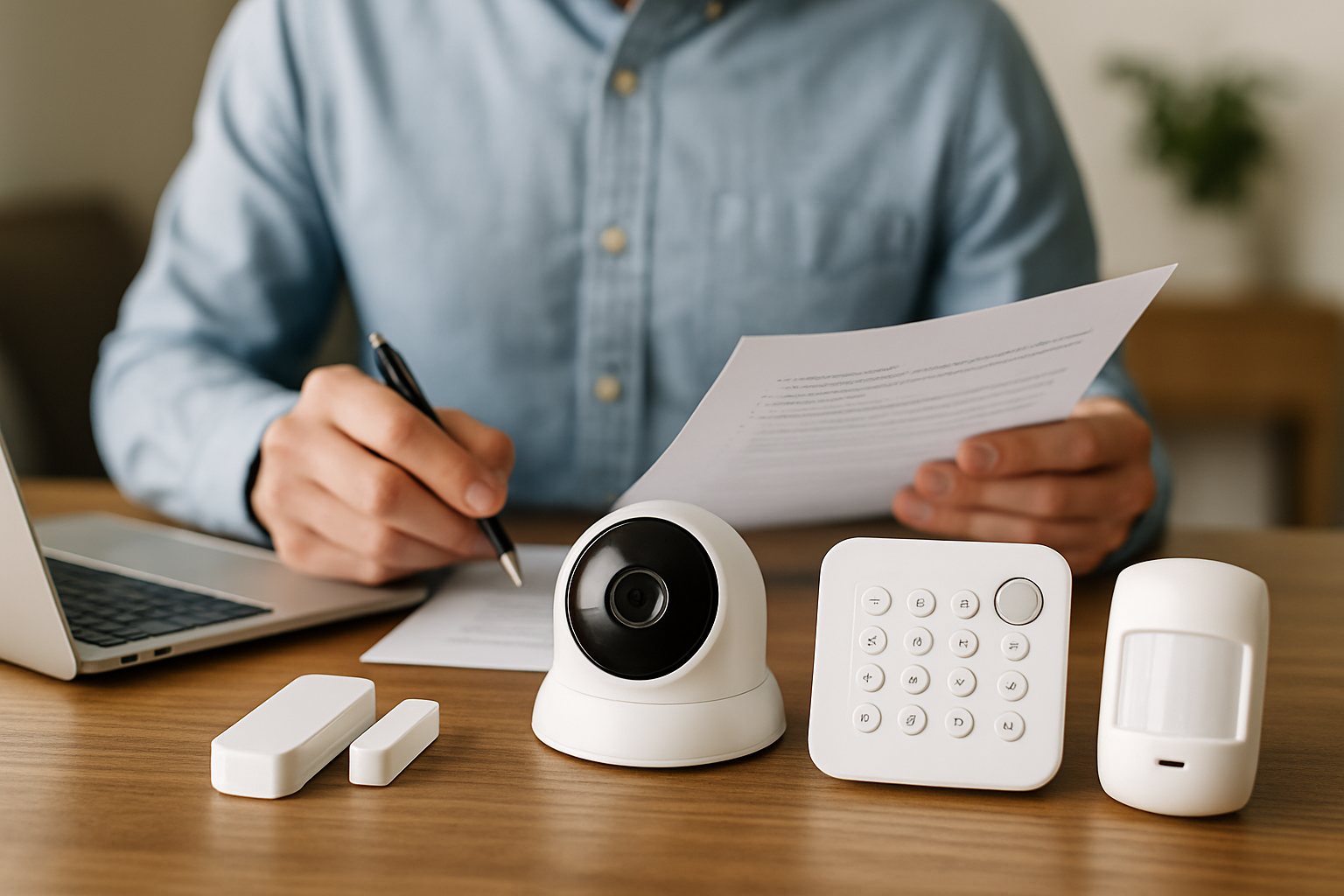
How to Choose a Home Security System for Maximum Safety
Are you feeling uncertain about how to choose a home security system? With crime rates fluctuating and new technologies emerging, selecting the right security system can feel overwhelming. As an expert in home safety and security solutions, I understand the importance of protecting your home and loved ones. In this article, you’ll learn essential tips for evaluating various home security options, the key features to consider, and common pitfalls to avoid. By the end, you’ll have a comprehensive understanding of how to choose a home security system that best suits your needs and budget.
Understanding Your Security Needs
Choosing a home security system begins with understanding your specific security needs. Assess your property, considering factors like size, layout, and potential vulnerabilities. Identify the most critical areas to protect, such as entry points and valuables. This assessment will guide your system selection, ensuring it aligns with your lifestyle and security concerns. Additionally, evaluate the neighborhood crime rate, as this can influence the level of security you require. By recognizing what you need, you’ll make a more informed decision when selecting a system that fits your circumstances.
Assessing Your Property
Begin by walking through your property and taking note of all entry points, including doors and windows. Assess the visibility of these areas and consider if additional measures, such as motion lights or cameras, are necessary. This thorough examination will help you identify weaknesses in your current security setup.
Evaluating Neighborhood Risks
Research your neighborhood’s crime statistics to determine the level of security that may be warranted. Local police department websites often provide crime maps and statistics. Understanding the specific risks in your area can help you prioritize security features such as alarms or surveillance cameras.
💡 Consider the layout of your home when determining where to install security devices.
💡 Prioritize securing entry points like doors and first-floor windows.
Exploring Security System Options
Once you have assessed your needs, it’s time to explore the various types of home security systems available. These can range from DIY solutions to professionally monitored systems. Understanding the differences helps you choose a system that fits your preferences and budget. DIY systems offer flexibility and lower costs, while professionally monitored systems provide peace of mind with 24/7 monitoring. Additionally, consider whether you prefer wired or wireless systems, as this can affect installation and maintenance. Evaluating these options ensures that you select a security system that meets your needs effectively.
DIY vs. Professional Monitoring
A DIY system allows homeowners to install and monitor their security features independently, often at a lower cost. However, it requires a certain level of technical skill. Conversely, professional monitoring offers round-the-clock surveillance and immediate response to alarms, providing reassurance, especially for high-risk areas.
Wired vs. Wireless Systems
Wired systems typically offer more reliability and are less prone to interference but can be more difficult to install. Wireless systems are easier to install and can be more flexible, but they may require battery replacements and could be susceptible to signal interference. Consider which type aligns with your lifestyle and comfort level.
💡 Research various system types to identify the best fit for your home.
💡 Consider long-term costs, including monitoring fees and equipment maintenance.
Understanding Your Security Needs
Choosing a home security system starts with understanding your specific security needs. Assess the layout of your home, including the number of entry points, windows, and vulnerable areas. Consider factors such as the crime rate in your area and whether you have valuable items to protect. This assessment helps you determine the level of security required, whether it’s basic monitoring or a more comprehensive system with advanced features.
Assessing Vulnerabilities
Identify weak points in your home’s security. Look for areas with poor visibility, such as dark corners or hidden entryways. These vulnerabilities are prime targets for intruders. Document them to ensure your chosen system addresses each one effectively, whether through cameras, lights, or alarms.
Evaluating Lifestyle and Usage
Consider how you and your family use your home. If you travel frequently, a system with remote monitoring capabilities may be essential. For families with children or pets, look for systems that offer flexibility in monitoring and alerts. Tailoring the system to your lifestyle ensures it effectively meets your needs.
Key Points:
- Understanding your unique security needs is crucial for effective protection.
- Regular assessments can help adapt your security system to changing circumstances.
💡 Prioritize high-traffic entry points as they are the most likely targets for break-ins.
💡 Conduct a yearly security audit to reassess vulnerabilities and adjust your system accordingly.
Evaluating System Features
When choosing a home security system, evaluate the features offered. Look for systems that provide a mix of surveillance, monitoring, and automation. Common features include motion sensors, door/window sensors, video surveillance, and smart home integration. Understanding these features helps you select a system that fits your security strategy and lifestyle.
Monitoring Options
Consider how you want your system monitored. Options include self-monitoring via smartphone alerts or professional monitoring services that provide 24/7 surveillance. Professional monitoring offers peace of mind as trained personnel can respond quickly to emergencies, while self-monitoring gives you direct control.
Integration with Smart Home Devices
Explore how the security system can integrate with existing smart home devices. Systems that work with smart doorbells, lights, and locks enhance security and convenience. This integration allows for automation, such as scheduling lights to turn on when you’re away, adding another layer of protection.
Key Points:
- Feature evaluation is essential for a system that meets your expectations.
- Integration with smart devices can enhance functionality and ease of use.
💡 Choose a system that offers both local storage and cloud backup for video footage.
💡 Look for systems that allow for easy upgrades as technology evolves.
EXPERT TIPS Pro Advice
Conduct a comparative analysis of security systems.
Comparing different systems helps you identify strengths and weaknesses, ensuring you make an informed decision based on features and cost.
Read customer reviews and case studies.
Insights from real users can reveal potential issues and benefits that aren’t apparent in product descriptions, guiding you toward a reliable choice.
Inquire about warranties and customer support.
A robust warranty and responsive customer support can save you time and money in case of system failures or questions after installation.
Frequently Asked Questions
Conclusion
Choosing a home security system involves evaluating your specific needs, considering installation options, and determining whether professional monitoring suits your lifestyle. Prioritize reliable sensors and smart home integration for enhanced safety and convenience. Always research customer feedback to ensure a trustworthy choice.
🎯 Key Takeaways:
- Assess your home’s size and security needs.
- Decide between wired or wireless systems based on your preferences.
- Prioritize professional monitoring for added safety.
- Include essential sensors for comprehensive coverage.
- Consider smart home integration for convenience.
- Research customer reviews for reliability.
Expert Advice: Take your time in researching and comparing options. A well-chosen home security system should align with your lifestyle and provide peace of mind. Don’t hesitate to consult experts or resources for additional guidance.
Start by evaluating your home’s specific security needs and explore various options to find the best fit for your lifestyle.
Leave a Reply