
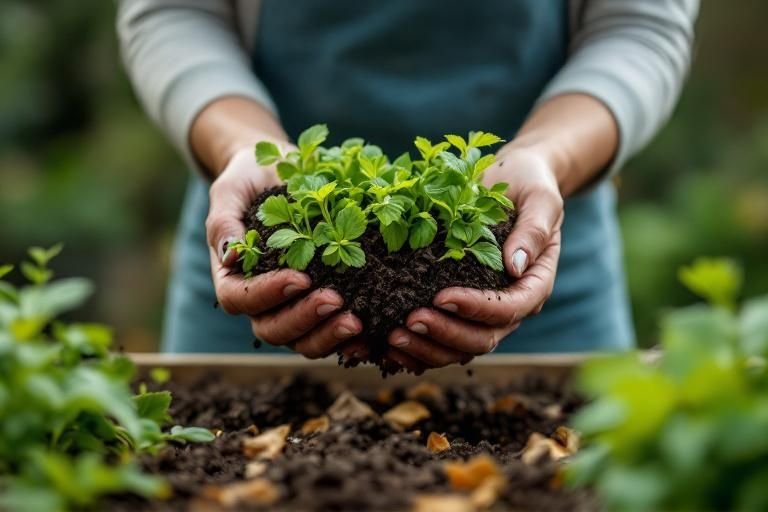
Are you tired of throwing away kitchen scraps that could be transformed into nutrient-rich compost? Did you know that nearly 30% of what we throw away can be composted? Understanding how to compost kitchen waste at home not only reduces landfill waste but also enriches your garden soil. With over 15 years of experience in sustainable living practices, I’ve seen the profound impact that simple composting can have on both our environment and our gardens. In this article, you’ll learn the essential steps to start composting at home, the types of kitchen waste that are ideal for composting, and some common pitfalls to avoid. Get ready to turn your food scraps into valuable compost, making a positive change for the planet and your home garden.
Understanding Kitchen Waste and Its Benefits
Composting kitchen waste is a sustainable practice that transforms organic materials into nutrient-rich compost, which can enhance soil health. Kitchen waste typically includes fruit and vegetable scraps, coffee grounds, eggshells, and leftover grains. By composting, you not only reduce landfill waste but also contribute to a healthier ecosystem. Composting enriches the soil, helps retain moisture, and reduces the need for chemical fertilizers. Furthermore, it can also lower greenhouse gas emissions associated with waste disposal.
Types of Kitchen Waste Suitable for Composting
Not all kitchen waste is suitable for composting. Focus on green materials like fruit and vegetable scraps, coffee grounds, and eggshells, which provide nitrogen. Brown materials, such as dried leaves or cardboard, offer carbon. A balanced mix of these materials is crucial for effective composting. Avoid meat, dairy, and oily foods, as they can attract pests and create odors.
Environmental Impact of Composting
Composting significantly reduces the amount of organic waste sent to landfills, which contributes to methane emissions, a potent greenhouse gas. By composting at home, you can lower your carbon footprint and promote sustainable waste management. Additionally, compost improves soil health, supporting plant growth and biodiversity, thus enhancing local ecosystems.
Key Points:
- Composting reduces landfill waste.
- A balanced mix of greens and browns is essential for effective composting.
💡 Start small by composting only fruit and vegetable scraps to get used to the process.
💡 Keep a balance of greens and browns for optimal composting.
💡 Regularly turn your compost pile to aerate it and speed up decomposition.
Getting Started with Kitchen Composting
Starting a compost at home requires minimal effort but maximizes benefits. You can begin by selecting a suitable composting method that fits your living space, whether it’s a compost bin, pile, or worm composting (vermicomposting). Choose a spot that is convenient and has good drainage and air circulation. Remember to layer your materials properly and monitor the moisture content for efficient decomposition. Over time, your compost will break down into a dark, crumbly substance that can nourish your garden.
Choosing the Right Composting Method
There are several methods for composting at home, including traditional compost bins, compost piles, and worm bins. Traditional bins are great for smaller spaces and can be enclosed to minimize odor and pests. Compost piles work well for larger amounts of waste but require more space. Worm composting is ideal for indoor environments and produces nutrient-rich castings quickly but needs specific care.
Setting Up Your Compost Bin
When setting up your compost bin, ensure it is in a well-ventilated area with good drainage. Start by adding a layer of brown materials, followed by a layer of green materials. Continue alternating layers until the bin is full. It’s important to monitor the compost for moisture and turn it regularly to aerate it, which will help speed up the decomposition process.
Key Points:
- Choose a composting method that fits your space.
- Layering materials helps with aeration and decomposition.
💡 Select a composting method that suits your living space and lifestyle.
💡 Layer materials properly to facilitate aeration and decomposition.
💡 Keep a compost log to track what you add and monitor the process over time.
Understanding the Composting Process
Composting is a natural process that transforms kitchen waste into nutrient-rich soil. To effectively compost kitchen waste at home, it’s crucial to understand the materials involved and the science behind decomposition. The main components include greens (nitrogen-rich materials) such as fruit and vegetable scraps, and browns (carbon-rich materials) like dry leaves and cardboard. Maintaining the correct balance between these components—ideally 2:1 of browns to greens—promotes efficient composting. Additionally, moisture levels and aeration are vital; the compost pile should feel damp, not soggy, and should be turned regularly to introduce oxygen, which supports microbial activity and speeds up decomposition.
Choosing the Right Location
Selecting an ideal spot for your compost pile is essential. Choose a well-drained, sunny area in your yard that is easily accessible. This location helps regulate temperature, which accelerates the composting process. If space is limited, consider using a compost bin or tumbler that can fit in smaller areas. Ensure to keep your compost away from direct contact with soil to avoid pests.
Layering Techniques for Efficient Composting
Layering is a critical technique in composting that helps maintain balance and airflow. Start with a layer of coarse materials like small branches or straw at the bottom for drainage. Follow with alternating layers of greens and browns, ensuring that the greens are well-distributed. This method not only aids in aeration but also helps retain moisture and maintain an optimal temperature within the compost pile.
💡 Monitor the compost pile’s temperature regularly to ensure microbial activity; it should ideally be between 130°F and 160°F for optimal decomposition.
💡 Avoid adding meat, dairy, and oily foods to your compost pile as they attract pests and create odors.
💡 Shred or chop larger kitchen scraps to speed up the decomposition process, as smaller pieces break down more quickly.
Troubleshooting Common Composting Issues
While composting is relatively straightforward, issues may arise that can hinder the process. Common problems include odors, slow decomposition, and pest infestations. Odors often indicate an imbalance in your compost; adding more browns or turning the pile can alleviate this. Slow decomposition may result from a lack of moisture or insufficient aeration, so ensure to regularly turn the pile and maintain dampness. If pests become a problem, consider covering the compost with a layer of browns to deter them, or use a closed bin to limit their access.
Identifying and Resolving Odors
Unpleasant odors from your compost pile are typically a sign of too much moisture or an excess of greens. To fix this, add more carbon-rich materials like dried leaves or shredded paper to absorb excess moisture. Turning the pile regularly also helps aerate it, which can reduce odors significantly. Maintaining a balanced mix of materials is essential to prevent this issue from recurring.
Preventing Pests in Your Compost
Pests can be a significant nuisance when composting, often attracted by food scraps. To prevent infestations, avoid adding meat, dairy, and oils to your compost. Additionally, covering your compost pile with a layer of browns can deter pests and keep the pile temperature regulated. If using an open pile, regularly turning it can also make it less inviting to rodents and flies.
💡 Regularly check for moisture levels; the compost should feel like a wrung-out sponge. Adjust as necessary to maintain optimal conditions.
💡 Incorporate worms into your compost for natural aeration and to speed up decomposition.
💡 Use a thermometer to monitor your compost’s temperature; maintaining the ideal range can prevent common composting issues.
EXPERT TIPS Pro Advice
Balance is Key
Maintaining a balanced ratio of greens to browns is crucial for effective composting, as it ensures that microorganisms have the right nutrients to thrive.
Regular Maintenance
Consistently turning your compost helps aerate it, preventing odors and ensuring even decomposition, which is vital for creating rich compost.
Know Your Materials
Understanding which kitchen scraps are compostable can help avoid common mistakes; research materials thoroughly to maintain a healthy compost pile.
Educate Yourself
Read up on composting techniques and local regulations regarding composting to ensure you are following best practices and legal guidelines.
Patience Pays Off
Composting takes time, so be patient and allow nature to do its work; understanding the process will lead to better results in the long run.
Frequently Asked Questions
Conclusion
Composting kitchen waste at home is an eco-friendly practice that benefits both the environment and your garden. By using appropriate materials and maintaining a healthy compost mix, you can reduce waste, enrich soil, and promote plant growth. Remember to monitor moisture and aeration for successful composting.
🎯 Key Takeaways:
- Compost fruit and vegetable scraps, but avoid meat and dairy.
- Balance greens and browns for effective decomposition.
- Turn compost regularly to aerate and speed up the process.
- Monitor moisture levels to prevent odors.
- Shred paper products for quicker breakdown.
Expert Advice: Start small and gradually expand your composting efforts as you learn what works best for your kitchen waste. Embrace the process, and enjoy the satisfaction of creating nutrient-rich soil for your plants.
Begin your composting journey today by collecting kitchen scraps and establishing a compost bin in your garden!
Leave a Reply