
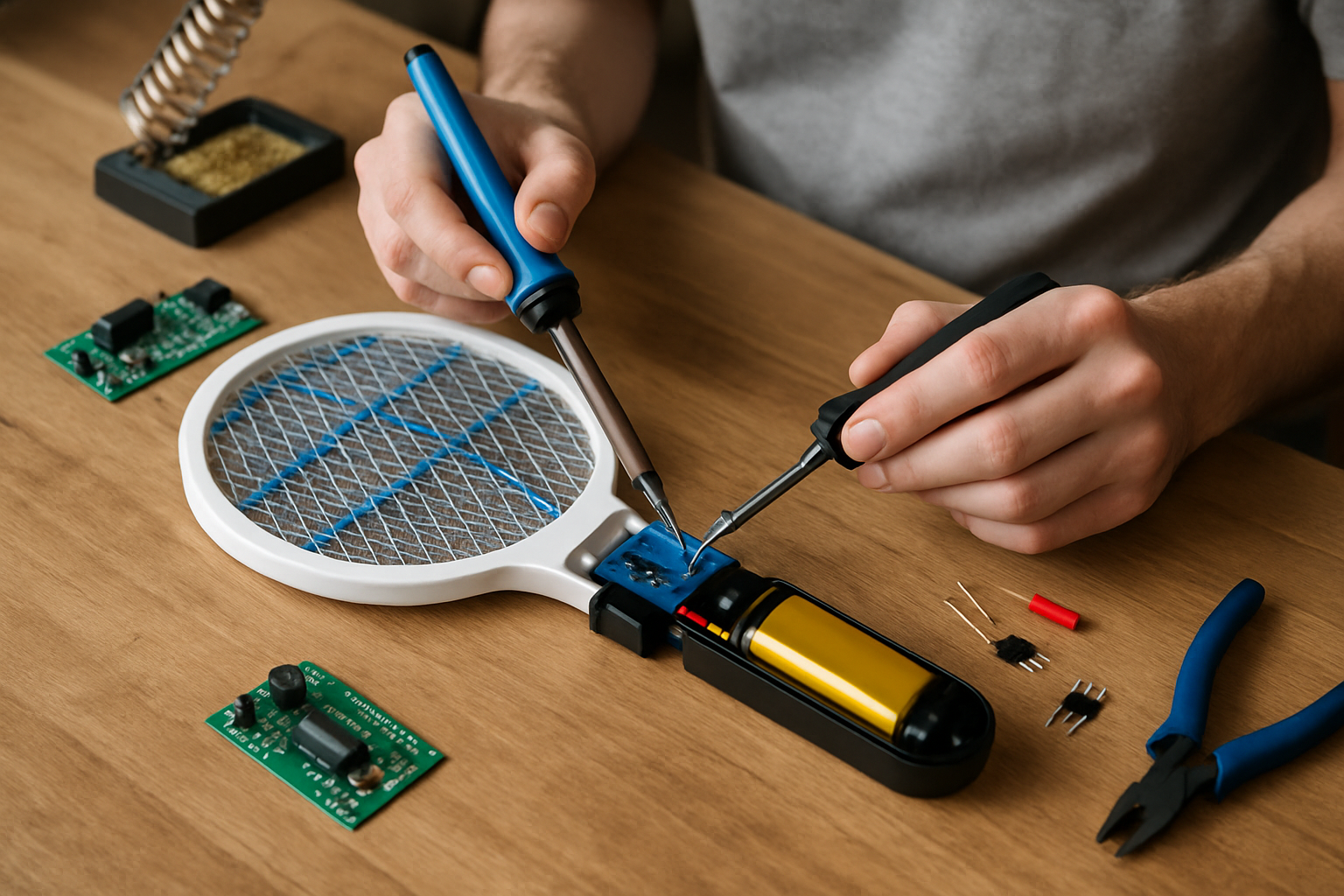
How to Make Electronic Mosquito Killer at Home: A Complete Guide
Are you tired of mosquitoes ruining your outdoor fun? Did you know that creating your own electronic mosquito killer at home is not only possible but also cost-effective? With the right materials and a little creativity, you can build an effective trap that will keep your living space free from these pesky insects. In this article, we will guide you through the process of making your own electronic mosquito killer, ensuring that you understand each step involved. You will learn about the essential components needed, safety measures to consider, and tips for maximizing the effectiveness of your device. Let’s dive into this innovative project and reclaim your space from unwanted pests!
Understanding Electronic Mosquito Killers
Electronic mosquito killers are devices designed to attract and eliminate mosquitoes using various methods, such as UV light or electric grids. Understanding how these devices work is essential before attempting to create one at home. The primary mechanism involves luring mosquitoes into a trap using light or heat, then killing them with an electric shock. By creating an effective design, you can improve the efficiency of your homemade mosquito killer and reduce the nuisance of these pests in your living space.
Principles of Attraction
Mosquitoes are primarily attracted to carbon dioxide, heat, and light. Understanding these attractants can help in designing a more effective electronic mosquito killer. Utilizing UV light is a common method, as it mimics the natural light sources that mosquitoes are drawn to during twilight hours. Positioning your device in a strategic location can also enhance its effectiveness in drawing mosquitoes.
Electric Killing Mechanism
The electric killing mechanism typically involves a high-voltage grid that delivers a shock to the mosquitoes when they come into contact. This method is effective as it ensures immediate elimination without the use of chemicals. Ensuring that the grid is positioned correctly and maintained regularly is crucial for optimal performance.
Key Points:
- Understanding how mosquitoes are attracted is crucial for effectiveness
- An electric grid can efficiently eliminate mosquitoes upon contact
Materials Needed for DIY Electronic Mosquito Killer
Creating an electronic mosquito killer at home requires specific materials that are both accessible and safe to handle. The primary components include a power source, an electric grid, and a housing structure that can safely contain the high voltage. Using non-toxic and durable materials ensures the longevity of the device. Additionally, incorporating a fan can help draw mosquitoes into the trap, improving its overall efficiency. Understanding these materials and their functions will help in constructing a reliable device.
Power Source Selection
Choosing the right power source is critical for your electronic mosquito killer. Options include batteries or an AC adapter. Batteries offer portability, while an AC adapter provides a consistent power supply. Consider the location where you plan to use the device to determine the most suitable option.
Constructing the Housing
The housing of your mosquito killer should be made from non-conductive materials to ensure safety. Plastic or wood can be good choices. The design should allow for adequate airflow while also being sturdy enough to house the electric components securely. Proper ventilation is essential to ensure that the device operates effectively.
Key Points:
- Select a power source based on usage location
- Use non-conductive materials for safety and durability
Understanding the Basics of Electronic Mosquito Killers
To make an electronic mosquito killer at home, it’s essential to understand how these devices work. They primarily attract mosquitoes using light and then eliminate them through electric shock. The key components include a power source, a light source (often UV), and a mesh grid that delivers the electric shock. By grasping these basics, you can create an effective device tailored to your needs.
Components Needed
You will need a few critical components: a UV light source to attract mosquitoes, a power supply (like batteries or a plug-in adapter), and a metal mesh or wire to create the electrified barrier. Gathering these items is crucial for the success of your DIY project.
Safety Considerations
When building an electronic mosquito killer, safety is paramount. Ensure that the device is properly insulated and that the electric components are secured to prevent accidental shocks. Using a casing can help protect users and pets from coming into contact with the electrified mesh.
Key Points:
- Understanding the components is vital for effective construction.
- Safety measures are essential to avoid accidents.
💡 Choose a UV light with a wavelength between 350-400 nm for optimal attraction.
💡 Ensure all electrical connections are insulated to prevent short circuits.
Building Your Electronic Mosquito Killer
Constructing your electronic mosquito killer involves assembling the components and ensuring they work harmoniously. Begin by creating the frame to hold the components, then install the UV light and connect the electric grid. Testing the device after assembly is crucial to ensure functionality and safety.
Assembling the Device
Start by constructing a frame using non-conductive materials. Mount the UV light at the top of the frame, ensuring it is securely fixed. Attach the metal mesh or wire to the sides, connecting it to the power supply to create an electrified surface that will kill attracted mosquitoes.
Testing and Adjustments
Once assembled, test the device in a controlled environment. Observe how effectively it attracts and kills mosquitoes. If the device is not performing as expected, consider adjusting the position of the light or checking for any loose connections.
Key Points:
- Proper assembly is key to effective operation.
- Regular testing and adjustments can improve performance.
💡 Position the device away from other light sources to enhance attraction.
💡 Regularly clean the mesh to maintain effectiveness and prevent clogging.
EXPERT TIPS Pro Advice
Optimize placement for maximum effectiveness
Position your device in areas with stagnant air or near breeding grounds, as mosquitoes are more likely to be active there.
Incorporate a fan for better air circulation
Adding a small fan can help disperse the scent of attractants and improve the device’s ability to capture mosquitoes.
Use a timer for energy efficiency
Setting your device to operate during peak mosquito activity times (dusk and dawn) can save energy and enhance effectiveness.
Frequently Asked Questions
Conclusion
Creating an electronic mosquito killer at home is a feasible project that requires basic materials and understanding of mosquito attraction. Key components include light, airflow, and careful positioning. By following these guidelines, you can effectively reduce mosquito populations in your environment.
🎯 Key Takeaways:
- Use UV lights for better attraction.
- Incorporate a fan to trap mosquitoes.
- Power the device safely with low voltage.
- Position it in dark, humid areas.
- Regularly clean for optimal performance.
Expert Advice: Always prioritize safety when building electronic devices. Experiment with different designs and setups to find what works best for your space. Patience and adjustments can lead to a more effective mosquito killer.
Start gathering your materials today and take the first step towards creating your own electronic mosquito killer!
Leave a Reply