
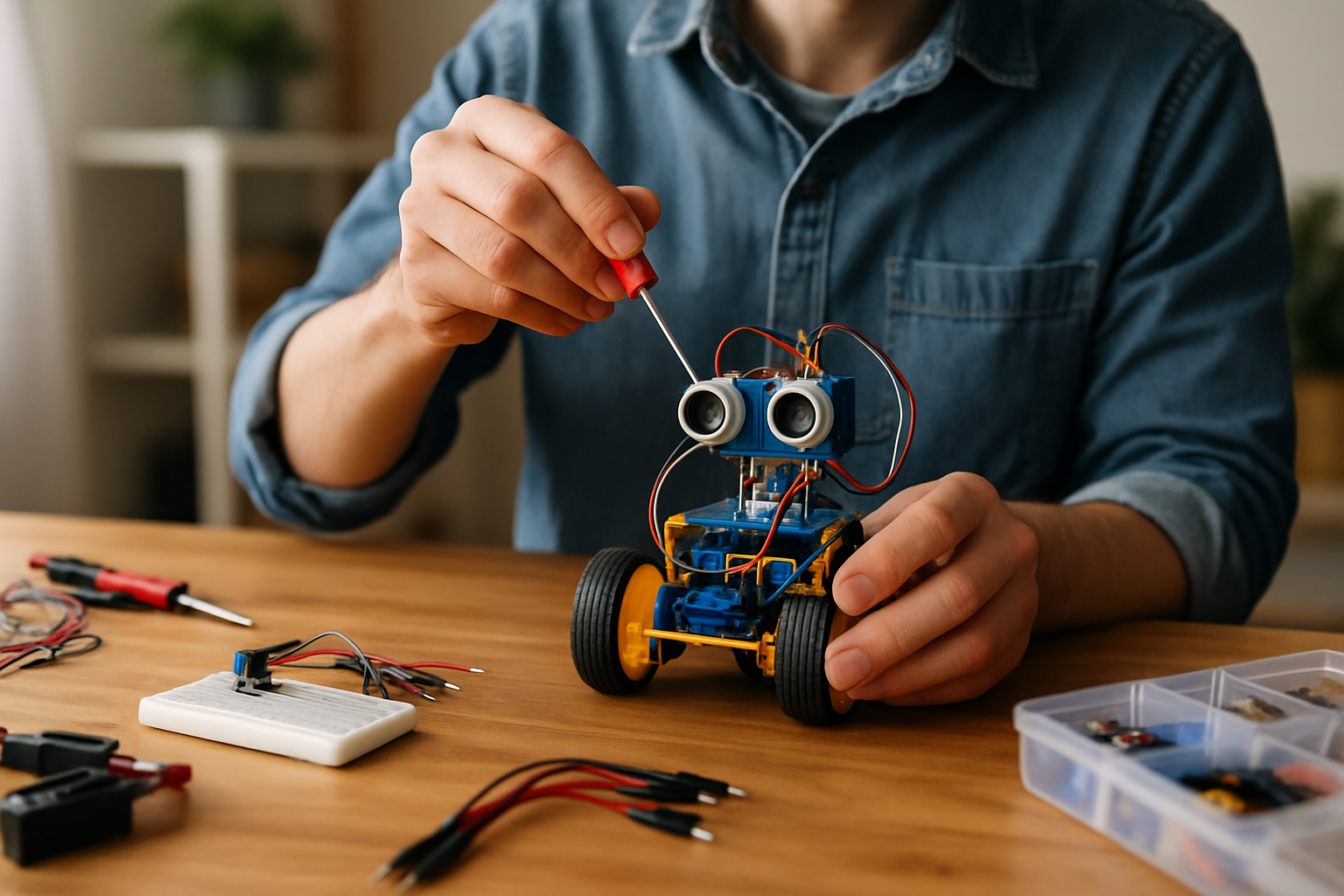
How to Make Electronic Robot at Home: A Complete Guide
Have you ever wondered how to make electronic robot at home? With the rise of technology, creating your own robot is more accessible than ever. In fact, studies show that DIY robotics projects can significantly enhance problem-solving skills and creativity. As an expert in electronics and robotics, I will guide you through the essential steps and components needed to build your very own robot. This article will cover everything from the basic electronic parts to advanced programming techniques, ensuring that whether you’re a beginner or an enthusiast, you’ll gain valuable insights and practical knowledge. Let’s dive in and explore the fascinating world of home robotics!
Understanding the Basics of Electronic Robotics
Before diving into building your own electronic robot at home, it’s crucial to understand the fundamental components that make up a robot. Robotics combines mechanical engineering, electrical engineering, and computer science. Basic knowledge in these fields will aid you in designing and constructing your robot effectively. Start with comprehending how sensors, actuators, and controllers interact to perform designated tasks. Familiarize yourself with the concept of programming, as it is essential for controlling your robot’s functions and behaviors. The beauty of robotics lies in its versatility, allowing you to create anything from simple line-following robots to complex robotic arms.
Key Components of a Robot
A typical electronic robot consists of several essential components: sensors, actuators, and a microcontroller. Sensors detect environmental changes and relay this information to the microcontroller. Actuators, such as motors, convert the microcontroller’s signals into physical movement. The microcontroller acts as the brain of the robot, processing inputs from sensors and sending commands to actuators. Understanding these components is the first step in robot design.
Basic Programming Concepts
Programming is vital for a robot’s functionality. To start, learn a programming language commonly used in robotics, such as Python or C++. This will enable you to write code that instructs your robot on how to respond to inputs from sensors. Basic concepts include loops, conditionals, and functions. A solid foundation in programming allows for more complex tasks and behaviors in your robot.
Key Points:
- Understand key components: sensors, actuators, microcontroller
- Learn basic programming for robot control
Planning Your Robot Project
Once you grasp the basics, it’s time to plan your robot project. Start by defining the purpose of your robot. What task do you want your robot to accomplish? This could range from simple tasks like moving in a straight line to more complex tasks like navigating a maze. After determining its purpose, sketch out a design and create a list of required materials. This preparation phase is essential to ensure a smooth building process. Consider the size, weight, and power requirements of your robot to ensure it functions effectively and efficiently.
Defining the Robot’s Purpose
Clearly outline what you want your robot to do. This could include tasks like obstacle avoidance, line following, or even performing simple tasks around the house. Defining a specific goal helps in choosing the right components and programming techniques, providing direction for your project.
Creating a Design Plan
Draft a design plan that includes diagrams of your robot’s structure and layout. This visual representation helps you envision how components will fit together. Consider how the robot will move, its power source, and how sensors will be positioned for optimal performance. A well-thought-out design minimizes errors during assembly.
Key Points:
- Define your robot’s purpose clearly
- Create a detailed design plan before starting
Understanding the Basics of Robotics
Before diving into building an electronic robot at home, it’s essential to grasp the core concepts of robotics. This involves an understanding of components such as sensors, actuators, and microcontrollers. These components work together to create a functioning robot. Start by defining the purpose of your robot—whether it’s for educational purposes, a hobby project, or a practical application. Knowing your goals will guide your design and component selection. Additionally, familiarize yourself with basic programming skills, as coding is crucial for controlling the robot’s behavior.
Key Components of a Robot
An electronic robot typically consists of several key components: a microcontroller (the brain), sensors (to gather information), and actuators (for movement). The microcontroller processes inputs from sensors and sends signals to actuators. Understanding how these components interact is vital for successful robot construction.
Choosing the Right Microcontroller
Selecting a microcontroller is critical as it determines the robot’s capabilities. Popular options include Arduino and Raspberry Pi, which offer extensive community support and resources. Assess your project’s complexity and choose a microcontroller that fits your programming skills and project requirements.
Key Points:
- Understanding the core components is crucial for building a robot.
- A clear goal helps guide your project decisions.
💡 Start small: Begin with simple designs to build confidence and understanding before attempting complex robots.
💡 Document your process: Keeping notes will help you troubleshoot issues and improve your design in future projects.
Building Your First Electronic Robot
Once you have a grasp of the basics, it’s time to start building. Follow a structured approach by planning your design, gathering materials, and assembling the robot step by step. Begin with a simple design, such as a line-following robot or a remote-controlled vehicle. Ensure you have all the necessary tools and components before you start. Following tutorials or guides can provide valuable insights and prevent common pitfalls. Testing each component as you build will help identify issues early in the process.
Planning and Designing Your Robot
Sketch your robot’s design, outlining the placement of components like sensors and motors. Create a circuit diagram to visualize connections. This planning stage is crucial to ensure functionality and ease of assembly. Consider how different components will interact and the overall balance of the robot.
Assembling the Robot
Begin assembling your robot by following your design plans. Start with the chassis, then install components like motors and sensors. Pay close attention to wiring and ensure connections are secure. Once assembled, upload the initial code to the microcontroller to test basic movements and functionalities.
Key Points:
- A structured approach simplifies the building process.
- Regular testing ensures that your robot functions as intended.
💡 Test as you go: Regular testing can catch issues early and save time on troubleshooting later.
💡 Use modular designs: This makes it easier to swap out components for upgrades or repairs.
EXPERT TIPS Pro Advice
Utilize online communities
Engaging with online forums and communities can provide support, resources, and inspiration while building your robot.
Explore open-source code
Using open-source code can accelerate your learning and help you understand programming for robotics better.
Iterate on your design
Don’t be afraid to modify your design based on testing results; iteration is key to improving your robot’s performance.
Frequently Asked Questions
Conclusion
Building an electronic robot at home is a rewarding project that combines creativity, engineering, and programming. By gathering the right materials, understanding the assembly process, and learning to program, you can successfully create a functional robot. Don’t hesitate to experiment and learn through trial and error.
🎯 Key Takeaways:
- Gather essential materials like microcontrollers, motors, and sensors.
- Start with a clear design and purpose for your robot.
- Programming is vital for controlling robot behavior.
- Recycled materials can be creatively used in your build.
- Power your robot appropriately with batteries or power circuits.
Expert Advice: Embrace the learning process and don’t be afraid to experiment. Every mistake is an opportunity to improve your skills and understanding of robotics.
Start your robotic journey today by sketching out a design and gathering materials for your first project!
Leave a Reply