
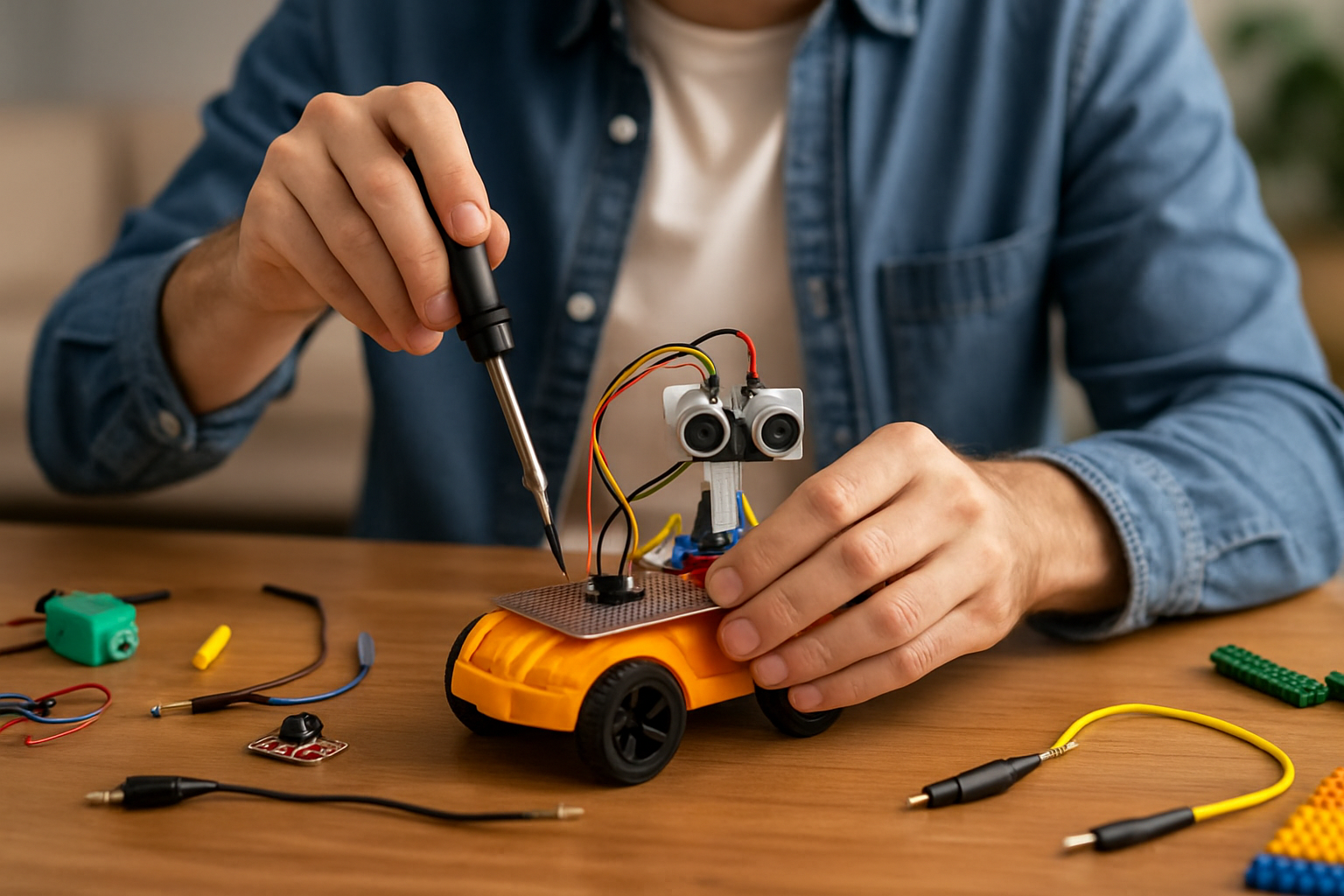
How to Make Electronic Toys at Home: A Complete Guide
Are you looking for a fun and educational project to engage your creativity? Learning how to make electronic toys at home can be both enjoyable and rewarding. With the rise of DIY culture, more enthusiasts are discovering the joy of crafting their own electronic devices. In this comprehensive guide, we will explore the essential tools, materials, and techniques you need to create unique electronic toys right in your own workshop. Whether you’re a beginner eager to learn or a seasoned hobbyist looking for new challenges, this article will provide you with step-by-step instructions and helpful tips to bring your ideas to life. Get ready to unlock your potential and dive into the world of homemade electronic toys!
Understanding the Basics of Electronic Toys
To begin making electronic toys at home, understanding the fundamental components of electronics is essential. Basic knowledge of circuits, power sources, and components like resistors, capacitors, and microcontrollers will facilitate the creation of functional toys. An electronic toy typically consists of sensors, a power supply, and an output mechanism like motors or lights. Understanding how these components work together is crucial for successful toy creation.
Key Components of Electronic Toys
Electronic toys usually incorporate several key components. These include a microcontroller, which acts as the brain of the toy; sensors that detect inputs from the environment; and actuators, such as motors or LEDs, that produce outputs. Familiarizing yourself with these components will help you choose the right ones for your project.
Power Sources for Your Toys
Choosing the right power source is vital for your electronic toy. Common options include batteries, USB power sources, or solar panels. Each has its pros and cons, such as portability, voltage regulation, and rechargeability. Assessing your toy’s requirements will guide you in selecting the most suitable power supply.
Basic Circuit Design Principles
Understanding basic circuit design principles is crucial when making electronic toys. A simple circuit should include a power source, a load (like a motor), and a control element (like a switch). Learning to read circuit diagrams and build prototypical circuits on a breadboard can streamline your toy-making process.
Key Points:
- Grasp the basic electronic components and their functions.
- Select the appropriate power source based on your toy’s needs.
Planning Your Electronic Toy Project
Before diving into construction, effective planning is crucial for a successful electronic toy project. Start by identifying your target audience and desired features, as this will inform your design. Sketching a preliminary design and drafting a list of required components can help streamline the building process. Additionally, establishing a timeline for your project will keep you organized and motivated.
Identifying Your Audience
Understanding who will use your toy is critical. Consider factors like age, interests, and safety requirements. For instance, toys for younger children should prioritize safety, simplicity, and durability, while toys for older children can incorporate more complex features and learning opportunities.
Designing Your Toy
Sketching your toy’s design serves as a blueprint for construction. Include details on dimensions, component placement, and functionality. This visual representation will aid in visualizing the final product and guide your building process, ensuring all components fit together as intended.
Creating a Component List
A detailed component list will help you gather everything you need before starting. Include all essential parts, tools, and materials, such as wires, circuit boards, and any additional decorative elements. This preparation minimizes interruptions during the construction phase and helps you budget your project effectively.
Key Points:
- Plan your project by understanding your target audience.
- Create a detailed design and component list to streamline the building process.
Understanding Basic Electronics Components
Before diving into making electronic toys at home, it’s essential to familiarize yourself with basic electronic components. Resistors, capacitors, diodes, and microcontrollers form the foundation of most electronic circuits. Understanding how these components function individually and in conjunction is crucial for creating effective toys. For beginners, starting with simple projects like LED circuits can help build confidence and knowledge in handling components safely and effectively.
Essential Components
Key components include resistors, which limit current; capacitors, which store energy; and microcontrollers, which act as the brain of your circuit. Understanding their roles helps you design and troubleshoot your projects more effectively.
Safety Precautions
Working with electronics can pose risks, such as electric shock or short circuits. Always ensure that your workspace is safe, use insulated tools, and avoid working with live circuits. Familiarize yourself with basic first aid for electrical injuries.
Key Points:
- Understanding components is critical for effective design.
- Safety is paramount when working with electronic projects.
💡 Start with simple projects to build confidence before moving on to complex toys.
💡 Sketch your circuit designs to visualize connections and components.
💡 Use a multimeter to test components and circuits for functionality.
Designing and Building Your First Electronic Toy
Once you grasp the basics, you can start designing your electronic toy. Begin by selecting a theme or function for your toy, such as a light-up circuit or sound-emitting device. Plan your circuit layout and choose components accordingly. Prototyping on a breadboard is an excellent way to test your design before soldering components onto a permanent board. This step minimizes errors and allows for adjustments before finalizing your toy.
Choosing Your Toy Concept
Decide what kind of toy you want to create. Consider options like a simple LED light show, a sound-generating toy, or an interactive circuit. Ensure that your concept is appropriate for the skill level and available components.
Prototyping Techniques
Use a breadboard for initial prototyping, allowing you to quickly assemble and modify your circuit without soldering. This flexibility is invaluable for testing different configurations and troubleshooting issues before committing to a final build.
Key Points:
- Planning and prototyping are essential steps in the design process.
- Documenting your work can aid in troubleshooting and future projects.
💡 Document your design process to simplify troubleshooting later.
💡 Gather all necessary components before starting to avoid interruptions.
💡 Test each component individually before integrating into your main circuit.
EXPERT TIPS Pro Advice
Utilize online resources for tutorials and inspiration
Online platforms provide a wealth of tutorials and project ideas that can guide you in building your electronic toys, enhancing your learning experience.
Join local maker spaces or online forums
Engaging with a community can provide support, feedback, and collaboration opportunities, making your learning journey more enriching.
Experiment with different power sources
Understanding how different power sources (batteries, USB) affect your circuit can lead to innovative toy designs and functionality.
Embrace failure as part of the learning process
Mistakes are valuable learning opportunities; analyzing what went wrong can significantly improve your skills and understanding.
Consider sustainability in your projects
Using recycled materials and components can make your toys environmentally friendly, while also teaching resourcefulness in your projects.
Frequently Asked Questions
Conclusion
Making electronic toys at home is an enriching experience that combines creativity with learning. Gather essential materials, start with simple designs, and consider using microcontrollers for added functionality. Always prioritize safety and troubleshooting techniques to enhance your project success.
🎯 Key Takeaways:
- Gather essential materials like batteries and wires.
- Start with simple designs and circuits.
- Using microcontrollers enhances interactivity.
- Prioritize safety during the building process.
- Troubleshoot by checking power and connections.
Expert Advice: Embrace the learning journey while making electronic toys at home. Experiment with designs and components to develop your skills and creativity. Remember, there is no right or wrong in creating—let your imagination guide you!
Start your DIY electronic toy project today and explore the exciting world of electronics!
Leave a Reply