
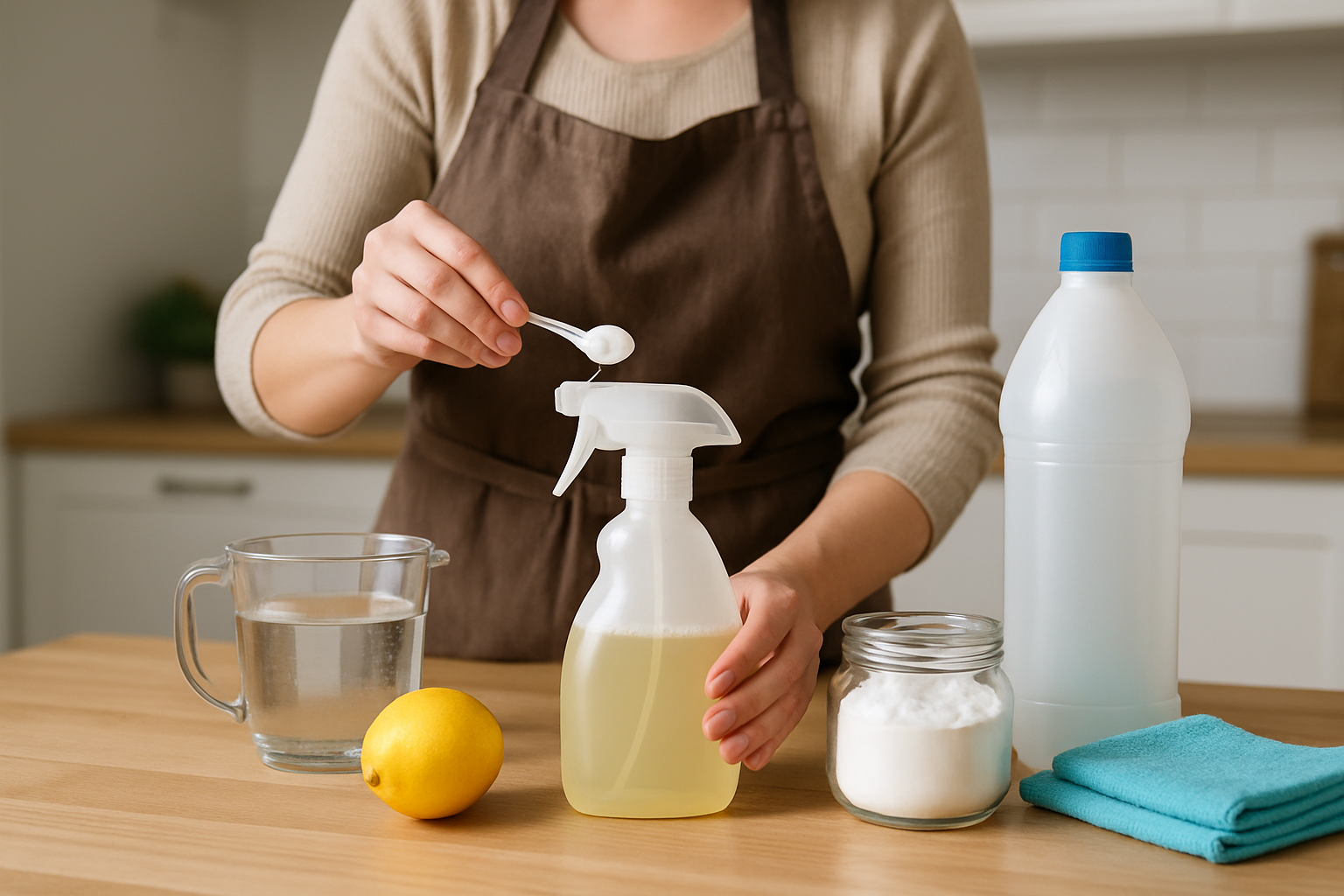
Are you tired of spending money on commercial floor cleaners that may contain harsh chemicals? Learning how to make floor cleaner liquid at home can save you money and provide a safer, eco-friendly alternative for your cleaning needs. With just a few simple ingredients found in your kitchen, you can create effective cleaning solutions that leave your floors sparkling clean and fresh. In this article, we’ll explore easy recipes, tips for effective cleaning, and the benefits of using homemade cleaners. Whether you’re cleaning hardwood, tile, or laminate floors, you’ll find the perfect solution tailored to your needs.
Understanding the Basics of Homemade Floor Cleaners
Making floor cleaner liquid at home is a practical and eco-friendly solution for maintaining clean surfaces. Homemade cleaners can be made from common household ingredients that are effective in cutting grease and removing dirt. By using natural ingredients, you not only save money but also avoid harmful chemicals often found in commercial cleaners. Knowing the right ratios and methods to combine these ingredients can enhance cleaning efficiency while ensuring safety for your family and pets.
Benefits of Homemade Cleaners
Homemade floor cleaners are not only cost-effective but also environmentally friendly. They reduce exposure to harmful chemicals found in commercial products, which can contribute to indoor air pollution. Additionally, you can customize them according to your cleaning needs, allowing for stronger solutions for tougher stains or gentler mixtures for delicate surfaces.
Common Ingredients Used
Most homemade floor cleaners rely on simple ingredients like vinegar, baking soda, and essential oils. Vinegar is known for its antibacterial properties and odor neutralization. Baking soda acts as a gentle abrasive, perfect for scrubbing surfaces, while essential oils can provide pleasant scents and additional antimicrobial benefits.
Key Points:
- Homemade cleaners are eco-friendly and cost-effective
- Common ingredients include vinegar, baking soda, and essential oils
Basic Recipes for Floor Cleaner Liquid
Creating your own floor cleaner liquid involves simple recipes that can be tailored to suit different types of flooring and cleaning needs. Here are a few basic mixtures that can be easily prepared at home. Ensure to test any cleaner on a small, inconspicuous area first to avoid damage to your floors. The right recipe can effectively tackle various messes while being safe for the environment.
Vinegar-Based Cleaner
A vinegar-based cleaner is simple to make. Mix equal parts vinegar and water in a spray bottle. This solution is especially effective on tile and laminate floors. Vinegar’s acidity helps break down grime and disinfect surfaces, making it a powerful yet natural cleaning agent.
Baking Soda Paste
For tougher stains or scuff marks, a baking soda paste can be effective. Combine baking soda with a small amount of water to create a paste. Apply this paste to the stained area, let it sit for a few minutes, and then scrub gently with a cloth or sponge. Rinse with clean water afterward to remove any residue.
Key Points:
- Vinegar-based cleaners are effective for many surfaces
- Baking soda paste is great for tough stains
Basic Ingredients for Homemade Floor Cleaner
Creating an effective floor cleaner at home starts with understanding the basic ingredients. Commonly used components include vinegar, baking soda, and essential oils. Vinegar is an excellent natural disinfectant and deodorizer, making it ideal for various surfaces. Baking soda enhances cleaning power and tackles tough stains, while essential oils can provide pleasant scents and additional antibacterial properties. Knowing the right ratios is essential for achieving optimal results, so a standard recipe often calls for one part vinegar to three parts water. This combination ensures you have a potent yet safe solution for most flooring types.
Vinegar as a Cleaning Agent
Vinegar, specifically white vinegar, is a powerful, non-toxic cleaner. Its acidity helps dissolve dirt, grime, and stains. When mixed with water, it becomes safe for most surfaces, making it a versatile choice. However, it’s important to avoid using vinegar on natural stone floors, as it can damage the surface over time.
Role of Baking Soda
Baking soda acts as a gentle abrasive, perfect for scrubbing stubborn stains without scratching surfaces. It neutralizes odors and, when combined with vinegar, creates a fizzing reaction that can help lift grime. Use it sparingly, as excessive amounts may leave a residue.
Adding Essential Oils for Scent and Disinfection
Incorporating essential oils not only enhances the fragrance of your homemade cleaner but also adds antibacterial properties. Oils such as tea tree, lavender, or lemon can infuse a fresh scent while providing additional cleaning benefits. Just a few drops mixed into your solution can transform the experience of cleaning.
Key Points:
- Vinegar and baking soda are key ingredients for an effective floor cleaner.
- Essential oils can enhance both the scent and cleaning properties of your solution.
💡 Always test the cleaner on a small, inconspicuous area before full application to avoid damage.
💡 Store your homemade cleaner in a labeled spray bottle for easy access and safety.
Advanced Techniques for Effective Cleaning
Once you have your basic cleaner, consider advanced techniques to enhance its effectiveness. Adjusting the pH levels of your cleaner can improve its ability to tackle specific stains. For instance, adding a small amount of dish soap can increase surfactant properties, helping to lift dirt and grease more efficiently. Moreover, understanding different floor materials can help tailor your approach, as different surfaces may require specific care methods to avoid damage.
Adjusting pH Levels
The pH level of your cleaner can significantly affect its cleaning power. Adding a small amount of baking soda raises pH, making the solution more alkaline, which is excellent for cutting through grease. Conversely, if you need to tackle mineral deposits, a more acidic solution can be created by adjusting vinegar concentrations.
Customizing for Floor Types
Different floor types, including hardwood, tile, and laminate, require tailored cleaning methods. For instance, hardwood floors benefit from less moisture, so a milder cleaner is advisable. Conversely, tiles with grout lines may need a more abrasive cleaner, incorporating baking soda for scrubbing.
Using a Microfiber Mop
Using a microfiber mop with your homemade cleaner enhances the cleaning process. Microfiber traps dirt and grime effectively, allowing for a more thorough clean without damaging the floor. Ensure to dampen the mop slightly with your cleaner for optimal results.
Key Points:
- Adjust the pH of your cleaner for specific cleaning needs.
- Different floor types require customized cleaning approaches to maintain their integrity.
💡 Consider the specific needs of your flooring type to avoid damage and ensure effective cleaning.
💡 Using a microfiber cloth or mop can significantly improve dirt removal efficiency.
EXPERT TIPS Pro Advice
Start with small batches of cleaner
Creating small batches helps you adjust recipes easily without wasting ingredients. Plus, it keeps your cleaner fresh and maximizes its effectiveness.
Experiment with different essential oils
Different essential oils have various properties; experimenting with combinations can result in unique scents and enhanced cleaning efficacy.
Use warm water for better solubility
Warm water can help dissolve ingredients better, allowing for a more homogenous mixture and improved cleaning action.
Frequently Asked Questions
Conclusion
Creating your own floor cleaner liquid at home is simple and cost-effective. By using common ingredients like vinegar and baking soda, you can achieve a clean, disinfected surface without harmful chemicals. Regular use of this cleaner can maintain the appearance and hygiene of your floors.
🎯 Key Takeaways:
- Homemade floor cleaner is easy to make with vinegar and water.
- Baking soda enhances cleaning power and odor elimination.
- Vinegar is safe and effective for many floor types.
- Store the cleaner properly for best results.
Expert Advice: Experiment with different ratios and additional ingredients to find the best solution for your specific flooring. Always test on a small area first to ensure compatibility.
Start creating your own homemade floor cleaner today and enjoy a cleaner, healthier living space!
Leave a Reply