
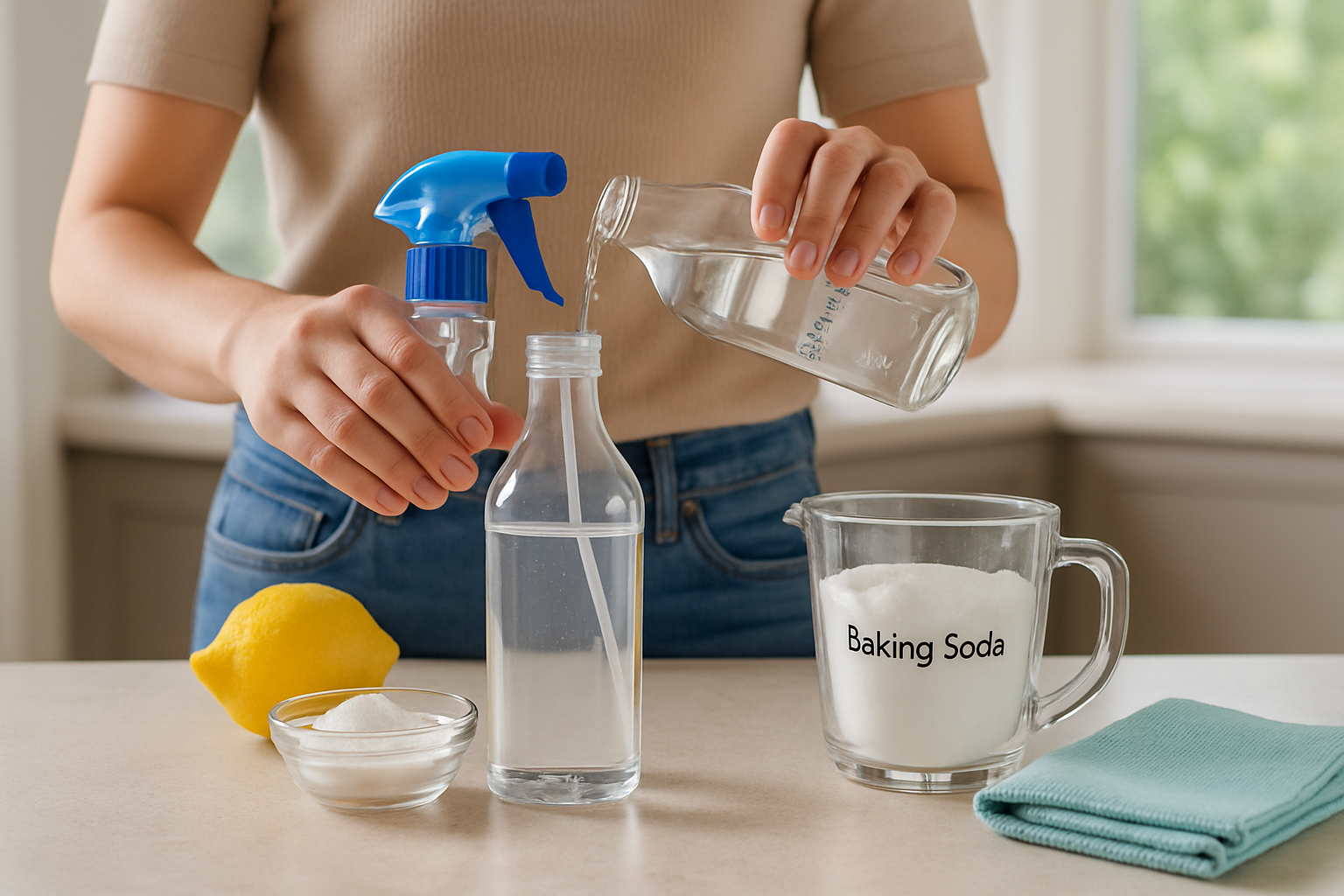
How to Make Glass Cleaner at Home: Easy DIY Solutions
Have you ever struggled with streaky windows or dull glass surfaces? Knowing how to make glass cleaner at home can save you time and money while ensuring a sparkling finish. With just a few simple ingredients you likely already have in your pantry, you can create an effective and eco-friendly glass cleaner that outperforms many store-bought options. In this comprehensive guide, we will share step-by-step instructions, tips for getting the best results, and additional tricks for cleaning glass surfaces effectively. Whether you’re tackling mirrors, windows, or glass tabletops, our expert advice will help you achieve that crystal-clear shine effortlessly.
Understanding the Basics of Glass Cleaning
Before diving into making your own glass cleaner, it’s essential to understand the fundamental principles behind effective glass cleaning. The main goal is to remove dirt, grime, and streaks without leaving any residue. Homemade glass cleaners are often based on simple ingredients that are safe and effective. Vinegar and water is a classic combination, as vinegar’s acidity helps dissolve mineral deposits and grime. Additionally, the right cleaning technique plays a crucial role; using the right cloth can prevent scratching while ensuring a streak-free finish.
Why Homemade Glass Cleaners Are Effective
Homemade glass cleaners utilize natural ingredients that cut through grease and grime without harmful chemicals. Vinegar acts as a natural disinfectant, while rubbing alcohol can help prevent streaks. The combination of these ingredients is not only effective but also environmentally friendly, making it a sustainable choice for your cleaning routine.
The Importance of Proper Technique
Using the right technique can enhance the effectiveness of your homemade glass cleaner. Start by working from the top of the glass surface downwards to avoid drips. Using a microfiber cloth or newspaper can also help to absorb moisture better and reduce streaking, ensuring a clearer finish.
Key Points:
- Understanding the role of natural ingredients is key to effectiveness.
- Proper cleaning techniques enhance streak-free results.
Essential Ingredients for Homemade Glass Cleaner
Creating your own glass cleaner at home involves a few basic ingredients that are often already found in your kitchen. The most common components include vinegar, water, and optional additives like rubbing alcohol. Vinegar is known for its powerful cleaning properties, making it a staple in many homemade cleaning solutions. Rubbing alcohol can also assist in evaporating moisture quickly, reducing streaks. Understanding how these ingredients work together can help you tailor your cleaner to suit your specific needs.
Vinegar: The Star Ingredient
Vinegar is a versatile and effective cleaning agent due to its acidity, which helps dissolve mineral deposits and grime. It’s non-toxic and safe for various surfaces, making it ideal for household cleaning. When mixed with water, it creates a powerful glass cleaner that is both effective and eco-friendly.
Optional Additives for Enhanced Cleaning
While vinegar and water can be sufficient, adding rubbing alcohol enhances the cleaning power and helps the solution dry faster. Alternatively, a few drops of dish soap can be included to tackle heavier soil, making your glass cleaner adaptable for different levels of dirt and grime.
Key Points:
- Vinegar is a non-toxic, effective cleaner.
- Optional ingredients can customize cleaning power based on need.
Understanding the Ingredients for Effective Glass Cleaner
Making glass cleaner at home involves understanding the effectiveness of various ingredients. The most common components include vinegar, water, and rubbing alcohol. Vinegar is a natural acid that breaks down grime and removes streaks, making it ideal for glass surfaces. Rubbing alcohol enhances the cleaning power and helps the solution dry quickly, preventing streaks. Distilled water is recommended as it lacks minerals that could leave spots. Knowing these properties allows you to customize your cleaner based on your specific needs.
Vinegar: The Natural Cleaner
Vinegar, particularly white distilled vinegar, is a powerhouse for cleaning because of its acetic acid content. This acidity helps dissolve dirt, grease, and grime found on glass surfaces. To make an effective cleaner, mix equal parts vinegar and water in a spray bottle. For extra cleaning power, consider adding a few drops of dish soap, which can help lift stubborn stains.
Rubbing Alcohol for Quick Drying
Rubbing alcohol not only disinfects but also helps your glass cleaner dry faster. This is particularly useful for preventing streaks on windows. A simple recipe includes a cup of rubbing alcohol, a cup of water, and a tablespoon of vinegar. This mixture is effective for cleaning and leaves surfaces sparkling clean without the hassle of streaks.
The Importance of Distilled Water
Using distilled water instead of tap water in your glass cleaner can significantly enhance its effectiveness. Tap water often contains minerals that can leave deposits, leading to unsightly spots. By opting for distilled water, you ensure that your solution is as effective as possible, promoting a streak-free shine.
💡 Always test your homemade cleaner on a small, inconspicuous area first to check for any adverse reactions.
💡 Use a microfiber cloth for application, as it is less likely to leave lint compared to paper towels.
💡 Store your cleaner in a cool, dark place to maintain its effectiveness.
Advanced Techniques for Streak-Free Shine
To achieve a streak-free shine on glass surfaces, consider more advanced techniques that complement your homemade cleaner. The timing of your cleaning, the choice of cleaning tools, and the method of application all play crucial roles in the final result. For the best outcome, clean your windows during cooler times of the day to prevent the cleaner from evaporating too quickly and causing streaks. Additionally, specific wiping techniques can further enhance the cleanliness of your glass.
Timing Your Cleaning
The time of day can significantly affect the performance of your glass cleaner. Cleaning in direct sunlight can cause the solution to dry too quickly, leading to streaks. Aim for early morning or late afternoon when temperatures are cooler and the sun isn’t directly shining on the glass. This allows the cleaner to work effectively without drying out prematurely.
Optimal Wiping Techniques
The technique used to wipe down the glass is just as important as the cleaner itself. Start from the top of the surface and work your way down in a zigzag or circular motion. This helps prevent drips and ensures an even clean. Using a squeegee after applying the cleaner can also help achieve a streak-free finish, as it removes excess liquid efficiently.
Choosing the Right Tools
Selecting the appropriate tools can significantly impact the cleaning process. Microfiber cloths are ideal for applying homemade glass cleaner, as they are absorbent and reduce lint. Avoid using sponge cloths, which may retain dirt. For larger surfaces, a window squeegee can help remove the cleaner without leaving streaks, ensuring a professional-looking finish.
💡 Always clean from top to bottom to avoid streaks running down on already cleaned areas.
💡 Consider using a squeegee for large surfaces to effectively remove cleaner and prevent streaks.
💡 Keep your cleaning cloths clean; dirty cloths can leave residue and streaks on glass.
EXPERT TIPS Pro Advice
Use a two-step cleaning process.
Start by applying the cleaner and wiping it off, then follow up with a dry cloth to buff the glass. This technique minimizes streaks and enhances shine.
Make small batches of cleaner.
Instead of making a large quantity, prepare smaller amounts that can be used within a couple of weeks to ensure freshness and effectiveness.
Adjust your formula based on the environment.
If you live in a hard water area, consider adding a bit of lemon juice to your cleaner to counteract mineral deposits.
Apply cleaner in a well-ventilated area.
Ensuring good airflow can help speed up the drying process and improve the overall cleaning effectiveness.
Always wear gloves while cleaning.
Using gloves protects your skin from irritation caused by the acids in vinegar and alcohol, making the cleaning process safer.
Frequently Asked Questions
Conclusion
Making your own glass cleaner at home is simple and effective. By combining ingredients like vinegar and water, you can achieve streak-free results without harsh chemicals. Proper storage and the right cleaning materials enhance your cleaning routine, ensuring sparkling surfaces every time.
🎯 Key Takeaways:
- Homemade glass cleaner is easy to make with vinegar and water.
- Rubbing alcohol can enhance cleaning and disinfecting properties.
- Vinegar helps reduce streaks due to quick evaporation.
- Use lint-free cloths for the best cleaning results.
Expert Advice: Experiment with different ratios of vinegar, water, and optional ingredients to find the perfect formula for your needs. Always test your cleaner on a small area first to ensure compatibility with your surfaces.
Start creating your own glass cleaner today to enjoy a cleaner, streak-free shine on your windows and mirrors!
Leave a Reply