
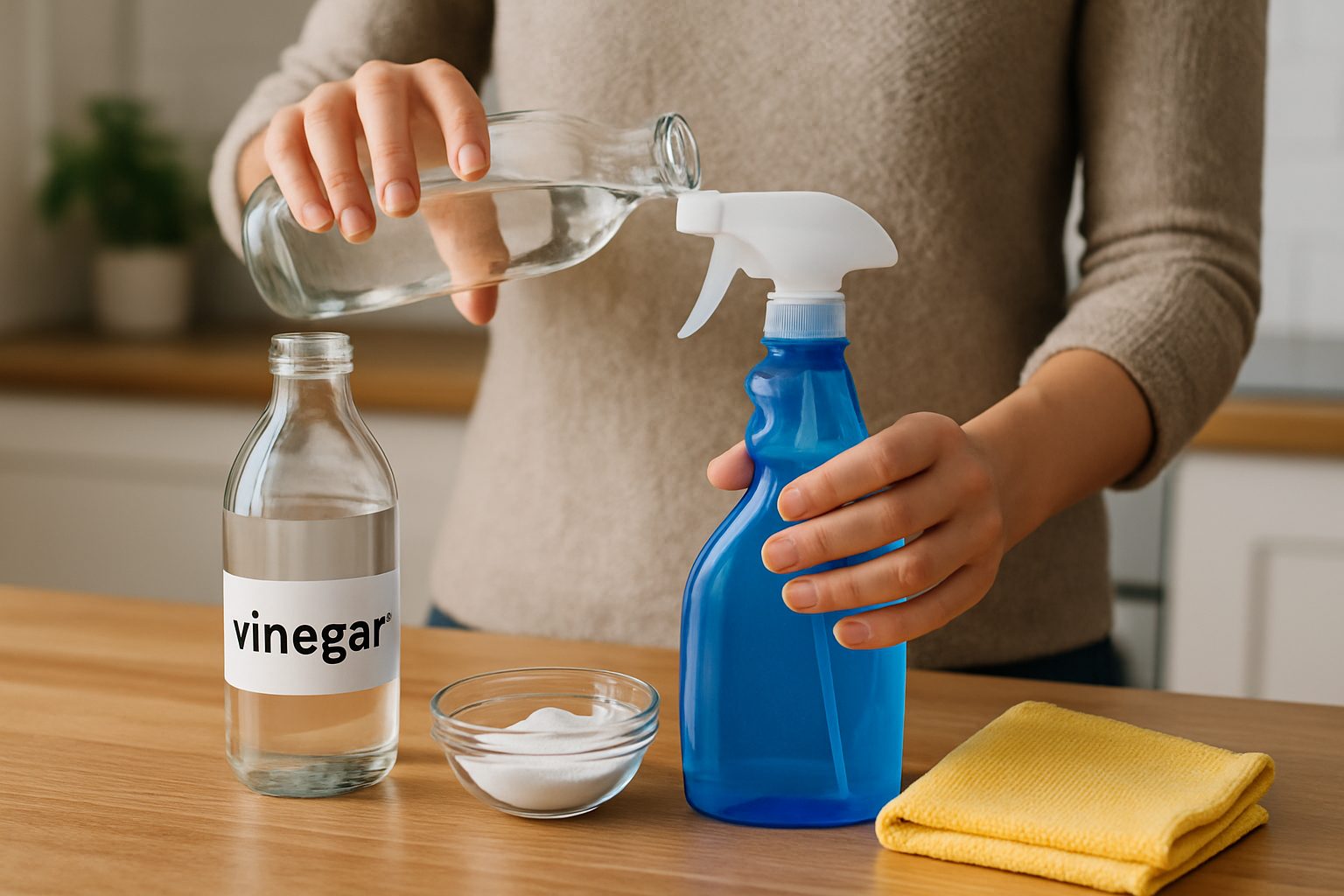
Are you tired of streaky windows and dull glass surfaces? Knowing how to make glass cleaner at home can save you money and provide an effective solution using simple ingredients. With the rising demand for eco-friendly cleaning alternatives, creating your own glass cleaner not only benefits your wallet but also the environment. In this article, we will share step-by-step instructions on crafting your own glass cleaner, along with tips for achieving a sparkling finish. You’ll discover the best natural ingredients to use, the proper techniques for cleaning glass surfaces, and how to avoid common pitfalls. By the end, you’ll be equipped with the knowledge to maintain crystal-clear glass throughout your home.
Understanding the Benefits of Homemade Glass Cleaners
Making glass cleaner at home offers numerous benefits, including cost-effectiveness, environmental safety, and customization. Store-bought cleaners often contain harsh chemicals that can be harmful to both the environment and your health. By creating your own solution, you reduce waste and avoid exposure to toxic substances. Additionally, homemade cleaners can be tailored to your preferences, ensuring that they meet your specific cleaning needs without compromising on efficacy.
Cost-Effectiveness
Homemade glass cleaners are significantly cheaper than commercial alternatives. By using common household ingredients like vinegar and water, you can create an effective solution for a fraction of the price. This not only saves money but also minimizes the need for frequent purchases of cleaning supplies.
Environmental Safety
Using natural ingredients reduces your ecological footprint. Homemade cleaners typically avoid harmful chemicals that can contaminate waterways and harm wildlife. By opting for eco-friendly substances, you promote a healthier planet while maintaining a clean home.
Customization Options
One of the biggest advantages of making your own glass cleaner is customization. You can adjust the ratio of ingredients to achieve the desired strength and scent. This allows you to create a solution that works optimally for your specific glass surfaces.
Key Points:
- Homemade glass cleaners are more cost-effective than store-bought options.
- Using natural ingredients is safer for the environment.
Essential Ingredients for Homemade Glass Cleaners
Creating an effective glass cleaner at home requires a few simple ingredients that are commonly found in most households. The most popular base for homemade glass cleaners is vinegar, known for its ability to cut through grease and grime. Other effective ingredients include rubbing alcohol and cornstarch, which can enhance the cleaning power and prevent streaking. Understanding these components will allow you to mix an efficient and safe cleaner for all your glass surfaces.
Vinegar
Vinegar is acidic and effectively dissolves mineral deposits, dust, and dirt. Its natural properties make it an excellent choice for glass cleaning, as it leaves surfaces streak-free when properly diluted with water. A typical recipe includes equal parts vinegar and water for optimal results.
Rubbing Alcohol
Rubbing alcohol can be added to enhance the cleaning solution’s effectiveness. It evaporates quickly, reducing drying time and minimizing streaks. When mixed with vinegar or water, it can help disinfect surfaces while providing a sparkling finish.
Cornstarch
Cornstarch can be used as an additive in glass cleaner recipes to help absorb moisture and prevent streaks. A small amount mixed with your liquid solution can improve the overall shine of glass surfaces, particularly on windows and mirrors.
Key Points:
- Vinegar is the primary ingredient for an effective glass cleaner.
- Rubbing alcohol enhances cleaning power and reduces streaking.
Understanding the Basic Ingredients for Glass Cleaner
To create an effective glass cleaner at home, it’s essential to understand the basic ingredients. Most homemade recipes include vinegar, water, and occasionally rubbing alcohol. Vinegar is a natural disinfectant and helps to dissolve grime and dirt. Water acts as a solvent, allowing for easy application and spreading. Rubbing alcohol enhances the cleaning power and accelerates drying time, preventing streaks. Combining these ingredients in the right proportions is crucial for optimal results.
Using Vinegar Effectively
Vinegar is a powerhouse when it comes to cleaning glass. Its acetic acid content breaks down dirt and grease effectively. To maximize its cleaning ability, use distilled white vinegar, as it leaves no residue. A typical ratio is one part vinegar to two parts water. This mixture can be stored in a spray bottle for convenience.
The Role of Rubbing Alcohol
Rubbing alcohol not only boosts cleaning efficiency but also aids in quick evaporation. Adding just a few tablespoons to your vinegar-water solution can significantly reduce streaking. Use isopropyl alcohol at a concentration of 70% for optimal results. Ensure to mix it well into your solution before application.
Key Points:
- Vinegar and water are the primary ingredients for homemade glass cleaner.
- Rubbing alcohol reduces streaking and speeds up drying time.
💡 Always use distilled water to avoid mineral spots on your glass surfaces.
💡 Test your homemade cleaner on a small, inconspicuous area first to ensure compatibility with the surface.
Advanced Techniques for Streak-Free Glass Cleaning
Achieving streak-free glass cleaning involves not just the right solution but also the proper technique. Start by selecting the right cleaning cloth; microfiber is highly recommended due to its non-abrasive properties. Additionally, the technique of cleaning can drastically affect the outcome. Always clean windows on a cloudy day to avoid rapid evaporation, which can cause streaks. Working in sections and using a zigzag motion can also help cover the surface evenly.
Choosing the Right Cloth
Opt for microfiber cloths over paper towels. Microfiber traps dirt and debris more effectively and leaves fewer lint particles behind. When using cloths, ensure they are clean and dry to prevent scratching the glass surface and to allow for maximum absorption.
Optimal Cleaning Techniques
To ensure a streak-free finish, apply the cleaner in a zigzag pattern, starting from the top and working downwards. This method prevents drips from settling on cleaned areas. For larger surfaces, consider using a squeegee after applying the cleaner, which can effectively remove excess liquid without leaving streaks.
Key Points:
- Microfiber cloths are superior for cleaning glass due to their lint-free nature.
- Cleaning techniques significantly impact the final appearance of the glass.
💡 Clean on overcast days to prevent rapid drying and streaking.
💡 Use a squeegee for large glass surfaces to achieve a professional finish.
EXPERT TIPS Pro Advice
Mix in a few drops of dish soap
Adding dish soap can enhance grease-cutting ability, especially for kitchen windows. Just a few drops in your solution can make a significant difference.
Use a spray bottle with a fine mist
A fine mist allows for even coverage without oversaturating the glass. This minimizes the chances of streaks forming as you clean.
Always clean from top to bottom
Cleaning from top to bottom prevents dirty water from running down onto already cleaned areas, ensuring a consistent clean.
Frequently Asked Questions
Conclusion
Making glass cleaner at home is simple and cost-effective, primarily using vinegar and water. You can customize it with essential oils for fragrance. Proper application techniques and storage considerations can maximize its effectiveness. Experiment to find the right balance for your needs.
🎯 Key Takeaways:
- Use a vinegar-water ratio of 1:2 for effective cleaning.
- Essential oils can enhance scent without compromising cleaning power.
- Apply cleaner with a microfiber cloth for best results.
- Store in a cool place and shake before use.
- Test on tinted windows to avoid potential damage.
Expert Advice: Always prioritize safety and test your homemade cleaner on small areas if unsure. With a bit of experimentation, you can create a solution that suits your cleaning needs perfectly.
Try making your own glass cleaner today and enjoy the satisfaction of a streak-free shine!
Leave a Reply