
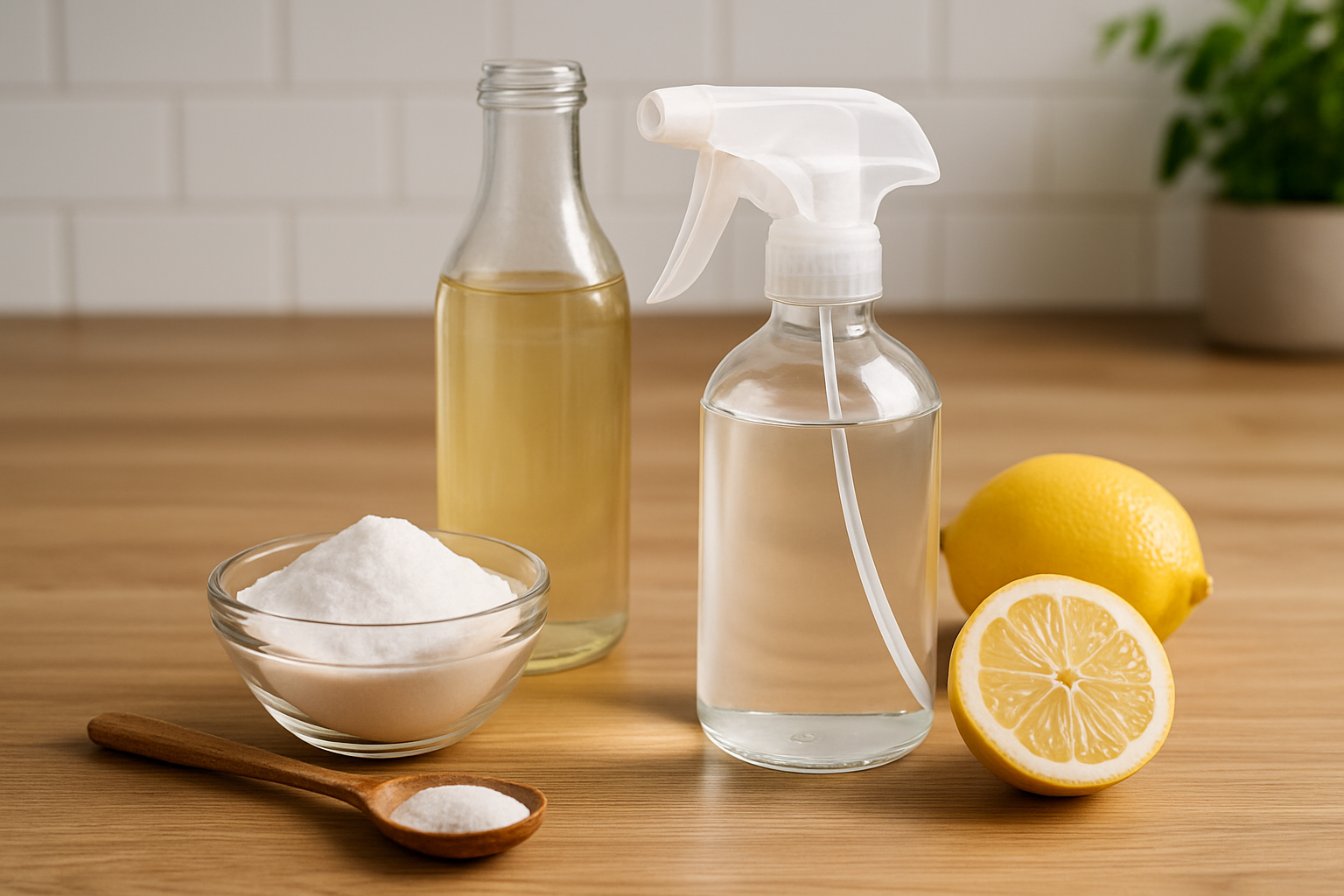
Have you ever wondered how to make kitchen cleaner at home without harsh chemicals? A staggering number of household cleaners can contain harmful substances that not only affect your health but also the environment. Fortunately, creating your own kitchen cleaner is easier than you think. With natural ingredients that you likely already have in your pantry, you can whip up effective cleaning solutions that tackle grease, grime, and bacteria. In this comprehensive guide, you will learn expert tips for making your own kitchen cleaner, including recipes for various cleaning tasks, benefits of using natural ingredients, and how to ensure your kitchen remains a safe and healthy space for you and your family. Let’s dive into the world of homemade kitchen cleaning solutions!
Understanding Kitchen Cleanliness
Maintaining a clean kitchen is essential not only for hygiene but also for creating a pleasant cooking environment. A clean kitchen reduces the risk of foodborne illnesses and prevents pest infestations. Understanding the sources of grime and bacteria in the kitchen helps in formulating effective cleaning strategies. Key areas to focus on include countertops, sinks, and appliances, as these often harbor harmful bacteria and food residues. Regular cleaning schedules can help keep these areas sanitized and organized.
Common Sources of Dirt
The kitchen is prone to various types of dirt, including grease, food particles, and spills. Grease can accumulate on stovetops and walls, while crumbs and food residues can hide under appliances. Recognizing these sources is crucial for targeted cleaning efforts. Regularly inspecting these areas prevents buildup and maintains a hygienic environment.
Health Implications
A dirty kitchen can be a breeding ground for bacteria, leading to foodborne illnesses. Common pathogens like Salmonella and E. coli thrive in unclean conditions. Understanding the health risks associated with kitchen cleanliness emphasizes the importance of regular cleaning and sanitation practices to protect your health and that of your family.
Key Points:
- Regular cleaning prevents health risks
- Understanding dirt sources aids targeted cleaning
Basic Ingredients for Homemade Kitchen Cleaners
Creating effective kitchen cleaners at home requires simple, natural ingredients that are safe and environmentally friendly. Many household items, such as vinegar, baking soda, and lemon, can be combined to create powerful cleaning solutions. These ingredients not only clean effectively but also eliminate odors, making them ideal for kitchen use. Knowing how to mix these ingredients can help you formulate cleaners tailored to specific tasks, from degreasing to disinfecting.
Vinegar as a Cleaning Agent
Vinegar is a versatile cleaning agent that can break down grease and remove odors. Its acetic acid content makes it effective against mold and bacteria. To create a kitchen cleaner, mix equal parts vinegar and water in a spray bottle. This solution can be used for cleaning countertops, sinks, and even glass surfaces.
Baking Soda for Tough Stains
Baking soda is a gentle abrasive that can help scrub tough stains without scratching surfaces. It also neutralizes odors, making it a great choice for kitchen cleaning. To use, create a paste by mixing baking soda with a little water and apply it to stained areas. Let it sit for a few minutes before scrubbing and rinsing.
Key Points:
- Natural ingredients are effective and safe
- Mixing vinegar and baking soda tackles different cleaning challenges
Understanding the Ingredients for Homemade Kitchen Cleaners
Creating your own kitchen cleaner at home can be both cost-effective and environmentally friendly. The primary ingredients most commonly used are vinegar, baking soda, lemon juice, and essential oils. Each of these components has unique cleaning properties. For example, vinegar is an excellent natural disinfectant and deodorizer, while baking soda acts as a gentle abrasive that can scrub away stubborn stains. Understanding how these ingredients interact will help you formulate an effective cleaner tailored to your needs.
Vinegar: The Natural Disinfectant
Vinegar is highly effective in killing germs and bacteria because of its acidity. It can cut through grease and grime, making it ideal for kitchen surfaces. To use, mix equal parts of vinegar and water in a spray bottle for a simple cleaning solution. This mixture can be used on countertops, sinks, and even appliances.
Baking Soda: The Gentle Abrasive
Baking soda is a versatile ingredient that not only cleans but also deodorizes. Its mild abrasiveness makes it perfect for scrubbing surfaces without scratching. To make a paste, combine baking soda with a small amount of water and apply it to tough stains or burnt-on food, letting it sit before scrubbing.
Essential Oils: Natural Fragrance and Antimicrobial Properties
Adding essential oils like tea tree or lavender can enhance your homemade cleaner’s effectiveness. These oils have natural antimicrobial properties and leave a pleasant scent. Add 10-15 drops of your chosen essential oil to your vinegar-water solution for added cleaning power and fragrance.
Key Points:
- Vinegar and baking soda are effective, natural cleaning agents.
- Essential oils can enhance both cleaning efficiency and pleasant aromas.
💡 Combine vinegar and baking soda for a powerful foaming cleaner that tackles tough stains.
💡 Always test your cleaner on a small, inconspicuous area first to avoid damage.
💡 Store your homemade cleaner in a cool, dark place to maintain its potency.
Effective Methods to Apply Your Homemade Cleaner
Once you have your homemade cleaner ready, knowing the best methods to apply it is crucial for achieving optimal results. Using the right technique can enhance the cleaner’s effectiveness and ensure a thorough clean. Focus on how to apply the cleaner, the tools to use, and the cleaning process for different surfaces to maximize efficiency.
Spray and Wipe Technique
For most surfaces, the spray and wipe technique is effective. Spray your homemade cleaner liberally on the surface and let it sit for a few minutes to break down dirt and grime. Then, use a clean cloth or sponge to wipe away the solution, ensuring you remove all residues. This method is quick and allows for effective cleaning of countertops and tables.
Soak for Tough Stains
For tough stains or baked-on messes, soaking is key. Apply your cleaner directly to the stained area and let it sit for 10-15 minutes. This allows the ingredients to penetrate and loosen the debris. After soaking, scrub with a sponge or brush and rinse thoroughly. This method is particularly effective for stovetops and ovens.
Use of Microfiber Cloths
Utilizing microfiber cloths can significantly enhance your cleaning process. These cloths are highly absorbent and can trap dust and dirt more effectively than traditional cloths. When using your homemade cleaner, dampen the microfiber cloth slightly to improve its ability to pick up grime while avoiding streaks on shiny surfaces.
Key Points:
- Application methods can enhance the effectiveness of homemade cleaners.
- Microfiber cloths are a superior choice for cleaning kitchen surfaces.
💡 Always allow homemade cleaners to sit for a few minutes for maximum effectiveness.
💡 Use separate cloths for different surfaces to avoid cross-contamination.
💡 Keep your cleaning routine consistent to maintain a clean kitchen environment.
EXPERT TIPS Pro Advice
Dilute vinegar for sensitive surfaces.
Using undiluted vinegar can damage certain finishes. Always dilute it with water for safe use on sensitive surfaces like wood.
Rotate cleaning strategies.
Mixing up your cleaning methods keeps surfaces clean and prevents buildup. Alternate between soaking, scrubbing, and wiping.
Label your cleaners.
Labeling your homemade cleaners prevents confusion and ensures you always use the correct solution for the right surface.
Conduct regular deep cleans.
Scheduling regular deep cleans helps maintain overall kitchen hygiene and makes routine cleaning easier and more efficient.
Stay mindful of cleaning frequency.
Establish a regular cleaning schedule to avoid excessive buildup, making cleaning less daunting and more manageable.
Frequently Asked Questions
Conclusion
Creating your own kitchen cleaner at home is not only cost-effective but also environmentally friendly. By using natural ingredients like vinegar, baking soda, and lemon juice, you can effectively clean and disinfect your kitchen. Regular cleaning routines will help maintain a hygienic space.
🎯 Key Takeaways:
- Use vinegar, baking soda, and lemon juice for natural cleaning.
- Mix equal parts vinegar and water for a disinfectant spray.
- Baking soda can scrub and deodorize surfaces effectively.
- Regular cleaning helps maintain kitchen hygiene.
- Essential oils can enhance cleaning solutions and aromas.
Expert Advice: Experiment with different natural ingredients to find the best combination for your kitchen cleaning needs. Always test your homemade cleaner on a small area first to ensure it doesn’t damage surfaces.
Start making your own kitchen cleaner today and enjoy a fresher, healthier cooking space!
Leave a Reply