
How to Make Window Cleaner at Home: Simple and Effective Tips
Are you tired of spending money on commercial window cleaners that often contain harsh chemicals? Learning how to make window cleaner at home can save you both money and the environment. With just a few simple ingredients, you can create a powerful, eco-friendly solution that leaves your windows sparkling clean. In this article, we’ll explore easy-to-follow recipes, the science behind effective cleaning, and tips to ensure a streak-free finish. By the end, you’ll be equipped with the knowledge to tackle any window cleaning task with confidence and ease.
Understanding the Basics of Homemade Window Cleaners
Making window cleaner at home is a simple and cost-effective solution that can help you achieve streak-free, sparkling windows. The primary components of most homemade cleaners are vinegar and water due to their natural cleaning properties. Vinegar is an effective solvent that cuts through grime, while water dilutes it for easy application. Additionally, homemade cleaners are environmentally friendly and free from harsh chemicals, making them a safer choice for households with children or pets. Knowing how to make window cleaner at home empowers you to customize your cleaner based on specific needs, such as tackling tough stains or eliminating odors.
Why Choose Homemade Window Cleaner?
Homemade window cleaners are advantageous because they are often more economical than store-bought alternatives. They allow for complete control over the ingredients used, enabling you to avoid toxic chemicals and fragrances. Furthermore, these cleaners can be made quickly and in bulk, minimizing waste and packaging. By opting for homemade solutions, you contribute positively to environmental sustainability while effectively maintaining the cleanliness of your windows.
Common Ingredients for DIY Window Cleaners
The most common ingredients for DIY window cleaners include vinegar, water, and baking soda. Vinegar serves as the primary cleaning agent, while water helps dilute its strength for safe use. Baking soda can be added for extra grime removal, especially on particularly dirty surfaces. Optional ingredients like essential oils can be included for a pleasant scent, while cornstarch can enhance the cleaning effect by creating a streak-free finish. Understanding these components will help you tailor your window cleaner to your specific needs.
Key Points:
- Homemade cleaners are cost-effective and environmentally friendly.
- Vinegar is a key ingredient due to its natural cleaning properties.
Step-by-Step Guide to Making Window Cleaner
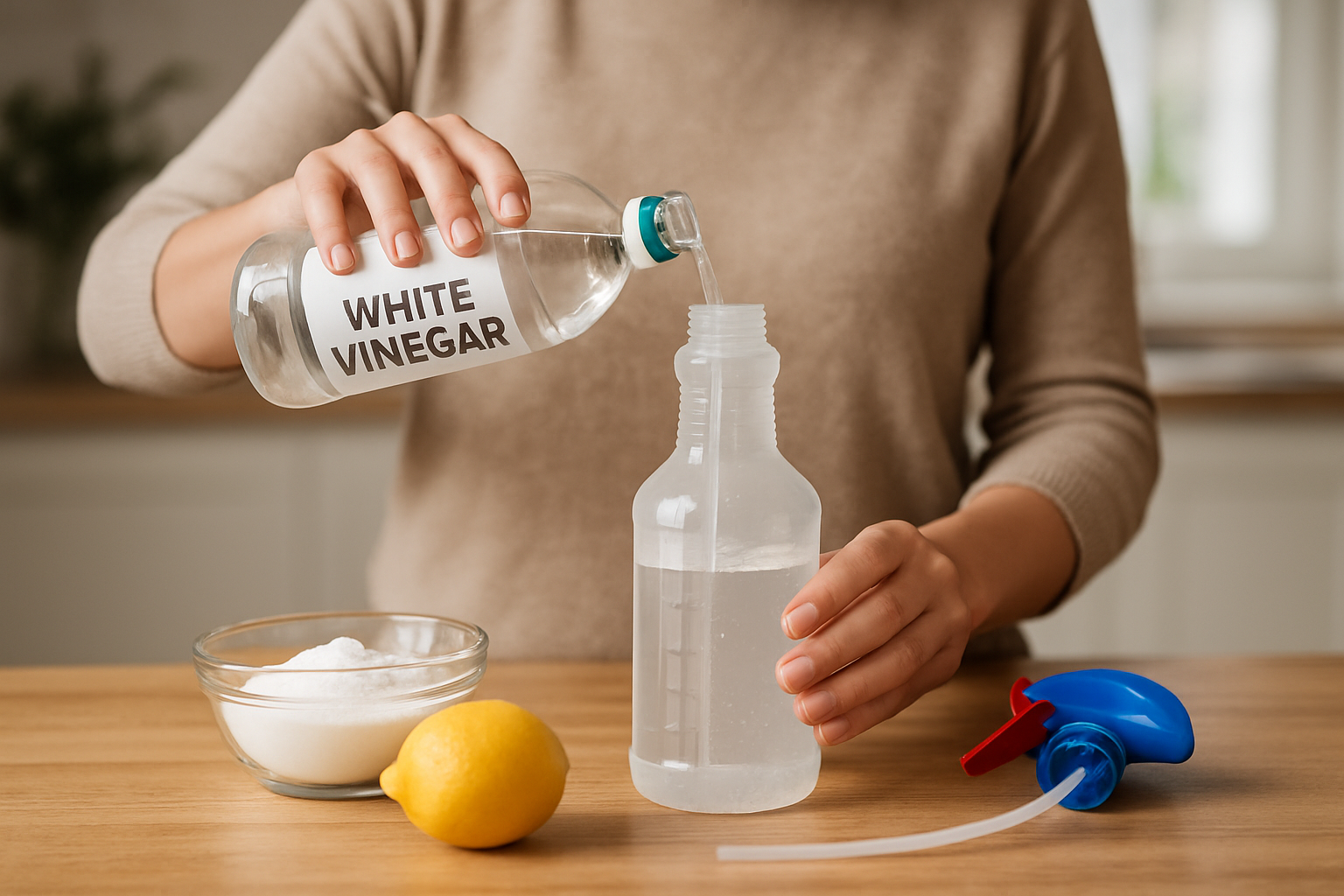
Creating your own window cleaner at home is straightforward and requires minimal supplies. The basic recipe involves combining equal parts of vinegar and water in a spray bottle. For enhanced cleaning power, you can add a tablespoon of dish soap or a teaspoon of baking soda to the mix. Shake the bottle gently to combine the ingredients, avoiding excessive foaming. This mixture is effective for cleaning glass surfaces and mirrors, leaving them streak-free. Before applying, always test on a small area to ensure compatibility with your surfaces, especially if they are tinted or treated.
Basic Recipe for Window Cleaner
The simplest window cleaner recipe involves mixing one part vinegar with one part water in a spray bottle. This combination is effective for regular cleaning tasks. For tougher stains, adding a few drops of dish soap can help break down grease and grime. Shake the bottle gently to mix the ingredients before using, ensuring an even distribution of cleaning agents for optimal results.
Customizing Your Cleaner for Different Needs
You can customize your window cleaner by adjusting the ratios or adding ingredients to target specific issues. For example, if you struggle with streaks, consider adding cornstarch to your vinegar-water mix. For a fresh scent, a few drops of essential oils like lemon or lavender can be added. Adjusting the formula based on the types of dirt or stains on your windows can enhance cleaning efficiency and satisfaction.
Key Points:
- Mix equal parts vinegar and water for a basic cleaner.
- Customization of the recipe can target specific cleaning challenges.
Basic Ingredients for Homemade Window Cleaner
Creating an effective homemade window cleaner begins with understanding the right ingredients. The foundational components usually include water, vinegar, and dish soap. Vinegar serves as a natural disinfectant that cuts through grease and grime, while dish soap helps lift dirt without leaving streaks. Distilled water is preferred as it prevents mineral deposits commonly found in tap water, ensuring a streak-free finish. Experimenting with proportions can yield a formula tailored to your specific cleaning needs.
Water Types and Their Impact
Using distilled water is advisable as it is free from minerals and impurities that might leave streaks on glass surfaces. Tap water, on the other hand, can contain minerals that, when dried, create spots. Always opt for purified or distilled water for optimal results.
Vinegar Versus Commercial Cleaners
Vinegar is an excellent natural alternative to commercial cleaners. It effectively breaks down grime and has antibacterial properties. Unlike many store-bought options, vinegar is non-toxic and environmentally friendly, making it a safer choice for households with children or pets.
The Role of Dish Soap
A small amount of dish soap can enhance your window cleaner’s efficacy. It acts as a surfactant, reducing the surface tension of water, allowing it to spread and penetrate dirt more effectively. However, too much soap can lead to residue, so use sparingly.
Key Points:
- Vinegar is a powerful cleaning agent.
- Using distilled water prevents streaks.
💡 Always use distilled water for the best results.
💡 Test your cleaner on a small area first to avoid damage.
💡 Consider adding a few drops of essential oils for a pleasant scent.
Application Techniques for Optimal Results
Proper application techniques significantly enhance the effectiveness of your homemade window cleaner. The right tools and methods can minimize streaks and ensure a thorough clean. Microfiber cloths, for example, are excellent for wiping down surfaces without leaving lint behind. Additionally, cleaning in a specific pattern—such as an S-shape or circular motions—helps ensure complete coverage and reduces the likelihood of missed spots. Timing also matters; cleaning when the sun is not shining directly on the glass helps prevent the cleaner from drying too quickly, which can cause streaks.
Choosing the Right Tools
Using microfiber cloths or squeegees is highly recommended for applying your homemade cleaner. Microfiber traps dirt and dust effectively, while squeegees help remove excess liquid without streaking. Avoid paper towels, as they can leave lint and streaks behind.
Best Time to Clean Windows
Cleaning windows during overcast days or early mornings can yield better results. Direct sunlight can cause the cleaner to dry too quickly, leading to streaks. If you must clean in the sun, work in smaller sections to maintain control over the drying process.
Cleaning Patterns for Streak-Free Surfaces
Adopting a systematic cleaning pattern can greatly improve your results. Start from the top and move down, using an S-shaped or circular motion to ensure even application. This technique helps prevent missed spots and allows for better dirt removal.
Key Points:
- Microfiber cloths reduce lint and streaks.
- Time of day impacts cleaning effectiveness.
💡 Use a squeegee for a streak-free finish.
💡 Clean windows on cloudy days for better results.
💡 Apply cleaner in a systematic pattern to ensure complete coverage.
EXPERT TIPS Pro Advice
Dilute vinegar for sensitive surfaces.
If cleaning tinted or coated windows, dilute vinegar with more water to avoid damaging the surface. This ensures that you can still benefit from its cleaning power without the risk.
Keep your tools clean.
Regularly wash your microfiber cloths and squeegees to prevent dirt buildup. This practice ensures that you’re not reapplying grime to your freshly cleaned windows.
Use a spray bottle for even distribution.
A spray bottle allows for controlled application and even distribution of the cleaner, preventing excess liquid that can lead to streaks.
Practice safety when using ladders.
If you need to climb to clean higher windows, ensure your ladder is stable and secure. Always have someone assist you if possible, for added safety.
Test different ratios for best results.
Experiment with varying ratios of vinegar and water to find the perfect balance for your specific cleaning needs, as different levels of dirt may require different strengths.
Frequently Asked Questions
Conclusion
Making window cleaner at home is a simple and effective way to keep your windows sparkling clean. By using common ingredients like vinegar and water, you can create a cost-effective solution that is safe for both your family and the environment. Remember to mix appropriately and use the right application techniques for the best results.
🎯 Key Takeaways:
- Combine vinegar, water, and optional dish soap for an effective cleaner.
- Mix in a spray bottle and shake gently before use.
- Homemade cleaners are eco-friendly and cost-effective.
- Consider adding essential oils for a pleasant scent.
- Clean windows every 1-3 months for optimal clarity.
Expert Advice: Experiment with different ratios and scents to find the perfect homemade window cleaner for your needs. Consistency in cleaning will help maintain your windows’ clarity and prolong their lifespan.
Try making your own window cleaner today and enjoy the satisfaction of a sparkling clean home!
Leave a Reply