
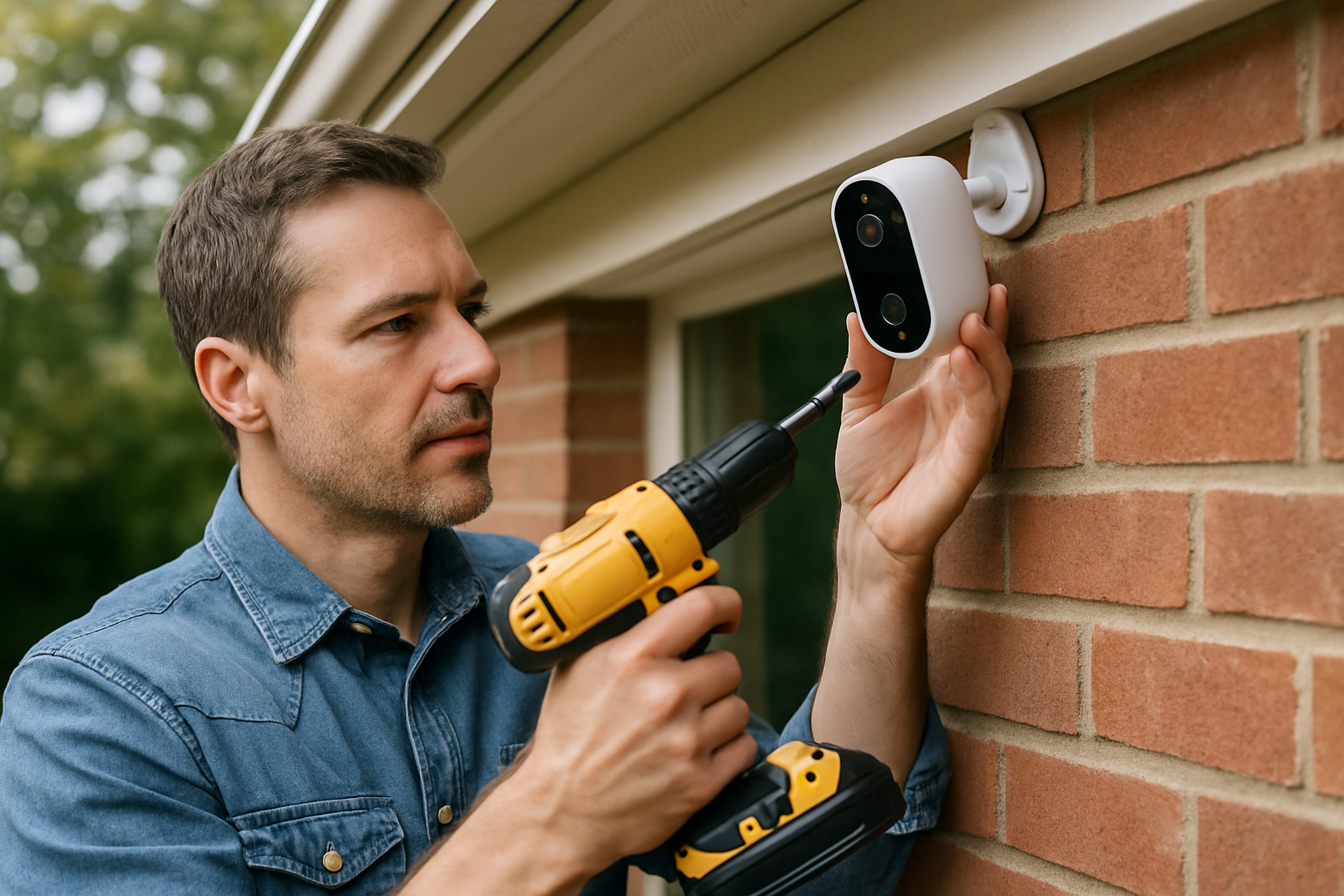
How to Upgrade Home Security: Essential Strategies for Safety
Are you concerned about the safety of your home? With recent reports indicating a rise in residential break-ins, many homeowners are looking for effective ways to enhance their security. Understanding how to upgrade home security is crucial in protecting your property and loved ones. As a seasoned expert in home safety, I will guide you through essential strategies that not only bolster your defenses but also provide peace of mind. In this article, you will learn about the foundational elements of home security, practical tips for improvement, common pitfalls to avoid, and advanced techniques to ensure your home remains a safe haven.
Understanding Home Security Needs
Upgrading home security begins with a clear understanding of your specific needs. Assessing the vulnerabilities of your home is crucial. Consider factors such as location, neighborhood crime rates, and the physical layout of your property. Each home presents unique challenges, so a tailored approach is necessary. Knowledge of local crime statistics can guide your security upgrades effectively, ensuring that you address the most relevant risks. Furthermore, involve household members in discussions about security concerns, as they may have insights into areas that need attention.
Conducting a Security Assessment
Start with a comprehensive evaluation of your property. Walk around both the exterior and interior to identify weak points like poorly lit entryways, unsecure windows, and easily accessible doors. Make a checklist of these vulnerabilities to prioritize improvements.
Evaluating Local Crime Trends
Research local crime statistics to understand prevalent issues in your area. Websites and community resources can provide insights into patterns of theft, vandalism, or break-ins. This information allows you to focus your upgrades on specific threats relevant to your neighborhood.
💡 Document vulnerabilities to address during upgrades
💡 Engage family members in security discussions
Essential Security Measures to Consider
Once you have assessed your security needs, you can move on to implementing essential measures. Start with the basics, such as reinforcing entry points and improving outdoor lighting. These foundational upgrades can significantly deter potential intruders. Additionally, consider incorporating technology such as surveillance cameras and alarm systems to enhance your security infrastructure. Each upgrade should be evaluated for its effectiveness in addressing the vulnerabilities identified in your assessment. A layered security approach often works best, combining physical barriers with technological solutions.
Reinforcing Entry Points
Strengthen doors and windows by using durable materials and secure locks. Consider installing deadbolts and window locks, as well as door frames that resist forced entry. Reinforcement not only provides a physical barrier but also acts as a psychological deterrent to potential intruders.
Enhancing Outdoor Lighting
Good visibility is crucial in deterring crime. Install motion-sensor lights around the perimeter of your property, especially near entryways and dark corners. Adequate lighting increases the chances of detecting suspicious activity and can discourage trespassers before they approach your home.
💡 Prioritize entry point reinforcement
💡 Assess lighting needs during security planning
Assessing Current Security Measures
Before upgrading your home security, it’s crucial to evaluate your existing measures. Start by identifying potential vulnerabilities, such as weak locks, poor lighting, or blind spots around your property. Conduct a thorough walkthrough of your home and outdoor areas to spot these weaknesses. Additionally, review any previous security incidents to understand where improvements are necessary. A comprehensive assessment helps prioritize upgrades and allocate resources effectively, ensuring your investments are focused where they can make the most impact.
Conduct a Vulnerability Assessment
Begin by examining entry points, including doors and windows. Ensure all locks are functional and consider the strength of materials used. Take note of any areas that are poorly lit or obstructed from view, as these can be hotspots for intruders. Document your findings to create a clear picture of security gaps.
Review Past Security Incidents
Look into any previous break-ins or security breaches in your neighborhood. Understanding the methods used by intruders can help you tailor your upgrades. Use this knowledge to enhance security features that directly counteract the tactics employed during these incidents.
Key Points:
- A thorough assessment identifies critical vulnerabilities.
- Understanding local crime trends informs effective upgrades.
💡 Develop a home security checklist to streamline your assessment process.
💡 Engage family members in identifying vulnerabilities, as they may notice issues you overlook.
Implementing Advanced Security Technologies
Once vulnerabilities are identified, consider integrating advanced security technologies for enhanced protection. Options like smart locks, security cameras, and motion detectors can provide real-time alerts and remote access. These technologies not only deter potential intruders but also enable you to monitor your home from anywhere. Ensure that your chosen systems are compatible and can be integrated into a cohesive security network for maximum effectiveness.
Smart Lock Systems
Smart locks offer keyless entry and can be controlled via smartphone apps. This allows for temporary access codes for guests or service providers without the need for physical keys. Regularly update access permissions to maintain security and monitor entry logs to track who enters your home and when.
Surveillance Cameras and Monitoring
Installing surveillance cameras can act as a strong deterrent against crime. Opt for systems that offer night vision and motion detection to capture activity around your property. Cloud storage options allow for easy access to footage, which can be vital in the event of an incident.
Key Points:
- Advanced technologies enhance real-time monitoring and response.
- Integration of systems allows for streamlined security management.
💡 Research different smart home technologies to understand their compatibility and functionality.
💡 Set up alerts for unusual activity detected by cameras or motion sensors to stay informed.
EXPERT TIPS Pro Advice
Utilize neighborhood watch programs
Engaging with community initiatives fosters a collective security environment, as neighbors can keep an eye on each other’s properties and report suspicious activities.
Regularly update security measures
Security needs evolve over time, so it’s important to reassess and upgrade systems regularly to counter new threats and vulnerabilities.
Consider professional security assessments
Hiring a security expert can provide insights into overlooked vulnerabilities and suggest tailored solutions for enhancing your home security.
Educate your family on security protocols
Ensuring that all household members understand security measures and protocols can significantly enhance the overall safety of your home.
Frequently Asked Questions
Conclusion
Upgrading home security is essential for protecting your family and property. Key measures include installing deadbolts, utilizing smart technology, and improving lighting. Regular assessments help maintain effective security. Empower yourself with knowledge and community support to create a safer living environment.
🎯 Key Takeaways:
- Install deadbolts and security systems for effective protection.
- Enhance security on a budget with DIY solutions.
- Utilize home automation for remote monitoring.
- Regularly review security measures to address new vulnerabilities.
- Involve neighbors for community-based security enhancements.
Expert Advice: Stay proactive and informed about home security. Regularly update your measures and engage with your community to create a safer neighborhood for everyone.
Take the first step by assessing your current security and identifying areas for improvement.
Leave a Reply