How to Install Bathroom Accessories Without Drilling Easily
Are you tired of unsightly holes in your bathroom walls but still want to hang essential accessories? Learning how to install bathroom accessories without drilling can save you from costly repairs and maintain your bathroom’s aesthetics. Many homeowners face the dilemma of wanting to add shelves, hooks, or towel racks without compromising the integrity of their walls. In this article, we’ll share expert insights and practical techniques that enable you to securely install various bathroom accessories without the need for drilling. You’ll discover innovative methods, including adhesive solutions and other mounting options that are both effective and easy to implement, ensuring your bathroom remains stylish and functional.
Understanding No-Drill Installation Methods
Installing bathroom accessories without drilling is an excellent way to avoid damaging your walls while ensuring a clean, aesthetically pleasing finish. This method is particularly useful in rental properties or for those who prefer a less permanent solution. There are various no-drill installation options available, including adhesive mounts, suction cups, and tension rods, each offering unique benefits depending on the type of accessory and the surface it will be attached to. Understanding these methods can help you choose the right one for your specific needs, ensuring durability and ease of removal if desired.
Adhesive Mounts
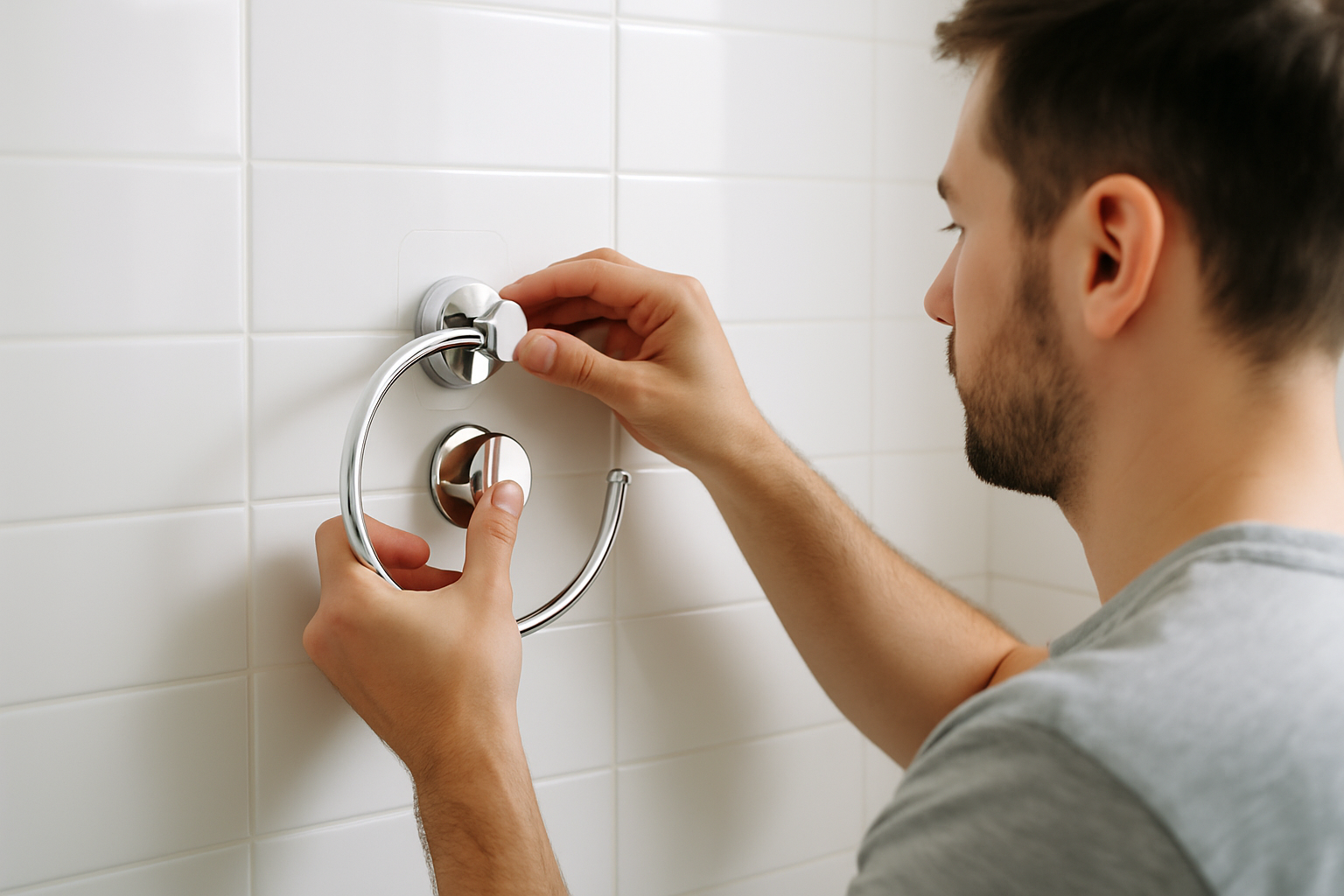
Adhesive mounts are one of the most popular no-drill solutions. They consist of double-sided tape or specific adhesive strips that can hold various accessories like towel bars and hooks. When using adhesive mounts, it’s essential to clean the surface thoroughly and allow it to dry before application to ensure maximum adhesion. This method provides a strong hold but may require replacement after a certain period, depending on the weight of the accessory and humidity levels.
Suction Cups
Suction cups are another effective way to install bathroom accessories without drilling. They work well on smooth surfaces like tiles or glass. To ensure they adhere properly, clean the surface and the suction cup before installation. For best results, press firmly and push out any air bubbles. However, suction cups may not hold heavier items, so it’s crucial to assess the weight limits before use.
Tension Rods
Tension rods can be used creatively to install accessories like shower curtains or even hanging organizers. They work by using tension to stay in place, making them ideal for spaces where drilling is not an option. When using tension rods, measure the space accurately to ensure a snug fit. This method is versatile and can be adjusted or removed easily, making it perfect for temporary setups or changing your bathroom layout.
Key Points:
- No-drill methods protect wall integrity
- Choose the right method based on accessory weight and surface type
Preparing for No-Drill Installation
Before you begin installing bathroom accessories without drilling, proper preparation is crucial for achieving the best results. This involves assessing the surfaces where you plan to install accessories, gathering necessary tools, and selecting the right installation method based on your specific needs. Taking these steps not only ensures a smooth installation process but also enhances the longevity of your accessories, saving you time and effort in the long run.
Surface Assessment
Evaluate the surfaces in your bathroom to determine which no-drill method will work best. Smooth, clean surfaces like tiles or glass are ideal for suction cups, while textured surfaces may work better with adhesive mounts. Check for any moisture or peeling paint, as these can affect adhesion and overall durability. Ensuring the surface is suitable can prevent future issues and prolong the life of your installed accessories.
Gathering Tools and Materials
While no drilling is required, having the right tools and materials on hand is vital. Common items include cleaning supplies to prep the surfaces, a measuring tape for accurate placement, and a level to ensure accessories are straight. Depending on the installation method, you may also need scissors to cut adhesive strips or tension rods to size. Being well-prepared can streamline the installation process and reduce the likelihood of errors.
Choosing the Right Method
Selecting the appropriate no-drill method involves considering the type of accessory and the weight it will bear. For heavier items, stronger adhesive options or tension rods may be necessary. For lighter accessories, suction cups can suffice. Research and weigh the pros and cons of each method based on your bathroom’s specific conditions and your accessory needs to ensure a successful installation.
Key Points:
- Preparation enhances installation success
- Surface type influences method selection
Understanding Non-Drilling Installation Methods
Installing bathroom accessories without drilling can be a practical solution for renters or those looking to avoid damage to their walls. Several methods allow you to securely attach items like towel bars, shelves, and hooks without the need for screws. Common techniques include adhesive strips, suction cups, and mounting tape. Each method has its own strengths and weaknesses, making it essential to choose the right one based on the accessory’s weight and the surface material. Understanding the specifics of each method can lead to a successful installation that doesn’t compromise the integrity of your walls.
Adhesive Strips and Hooks
Adhesive strips and hooks are designed for easy installation, providing a strong hold without the need for hardware. They work well on smooth surfaces like tiles and glass. Ensure that the surface is clean and dry before applying, and follow the manufacturer’s weight limits to prevent falling accessories.
Suction Cup Solutions
Suction cups can be an effective installation method for lightweight accessories. They work best on non-porous surfaces like glass or polished tiles. To achieve a secure hold, moisten the suction cup slightly and press firmly against the surface, expelling air bubbles for a tight seal.
Mounting Tape Techniques
Double-sided mounting tape offers a strong bond for heavier items compared to standard adhesive strips. Cut the tape to the desired length and apply it to the back of the accessory. Press firmly against the wall for several seconds to ensure a solid attachment, making sure the surface is prepared correctly.
Key Points:
- Non-drilling methods provide flexibility for renters
- Surface preparation is crucial for secure installations
💡 Choose the right method based on the weight of the accessory
💡 Ensure surfaces are clean and dry for best adhesion
💡 Consider the material of the wall for optimal mounting options
Best Practices for Successful Installation
To ensure that your bathroom accessories are installed securely without drilling, several best practices can enhance effectiveness. First, carefully consider the accessory’s placement by assessing the weight capacity of your chosen method. Second, measure and mark the installation points before applying any adhesive to avoid misalignment. Finally, allow adequate curing time for adhesives to set properly before using the accessories, as this can prevent premature detachment and ensure longevity.
Weight Considerations
Assess the weight of the accessories you plan to install. Light items like hooks can often use adhesive strips, whereas heavier items may require stronger solutions like mounting tape. Always adhere to the manufacturer’s guidelines regarding weight limits to avoid accidents.
Alignment and Placement
Proper alignment is critical for aesthetics and functionality. Use a level and measuring tape to mark where you want the accessory to go. Taking the time to align accurately will save you from having to reapply and potentially damaging the wall surface.
Curing and Setting Time
After installing accessories, it is essential to allow adequate time for the adhesive to cure. This ensures that the bond is strong enough to support the weight. Typically, waiting 24 hours before using the accessory can significantly improve durability.
Key Points:
- Weight assessment is key for safe installations
- Proper alignment improves both function and appearance
💡 Always check the weight limit of your adhesive method before installation
💡 Use a level for precise placement to avoid crooked installations
💡 Wait for the recommended curing time to ensure lasting adhesion
EXPERT TIPS Pro Advice
Test the adhesion before full use
Gently pull on the accessory after a few hours to test the bond. This helps ensure it’s secure before putting full weight on it.
Use a hairdryer for easier removal
Applying heat can help loosen adhesives when you need to remove accessories, making it easier to take them down without damaging the wall.
Avoid humidity for the first 24 hours
Humidity can weaken adhesive bonds. Keep the bathroom ventilated and dry for the initial curing period to ensure maximum bond strength.
Mix methods for heavier items
For heavier accessories, consider using multiple methods, like combining mounting tape with adhesive strips for additional support.
Regularly check for wear and tear
Inspect installed accessories periodically to ensure they are still securely fastened and replace adhesive components as needed for safety.
Frequently Asked Questions
Conclusion
Installing bathroom accessories without drilling is achievable using methods like adhesive strips, suction cups, and mounting hooks. These solutions protect your walls while allowing for stylish and functional placement. Always consider the wall type and follow application instructions for the best results.
🎯 Key Takeaways:
- Use adhesive strips for lightweight items.
- Suction cups are limited to lighter accessories.
- Surface type affects installation success.
- Clean surfaces before applying adhesive.
- Consider alternative methods if adhesion fails.
Expert Advice: Choose the right method based on your accessories and wall type for a successful installation. Always follow guidelines to ensure durability and functionality.
Explore various non-drilling methods to enhance your bathroom’s functionality and aesthetics today!
Leave a Reply