
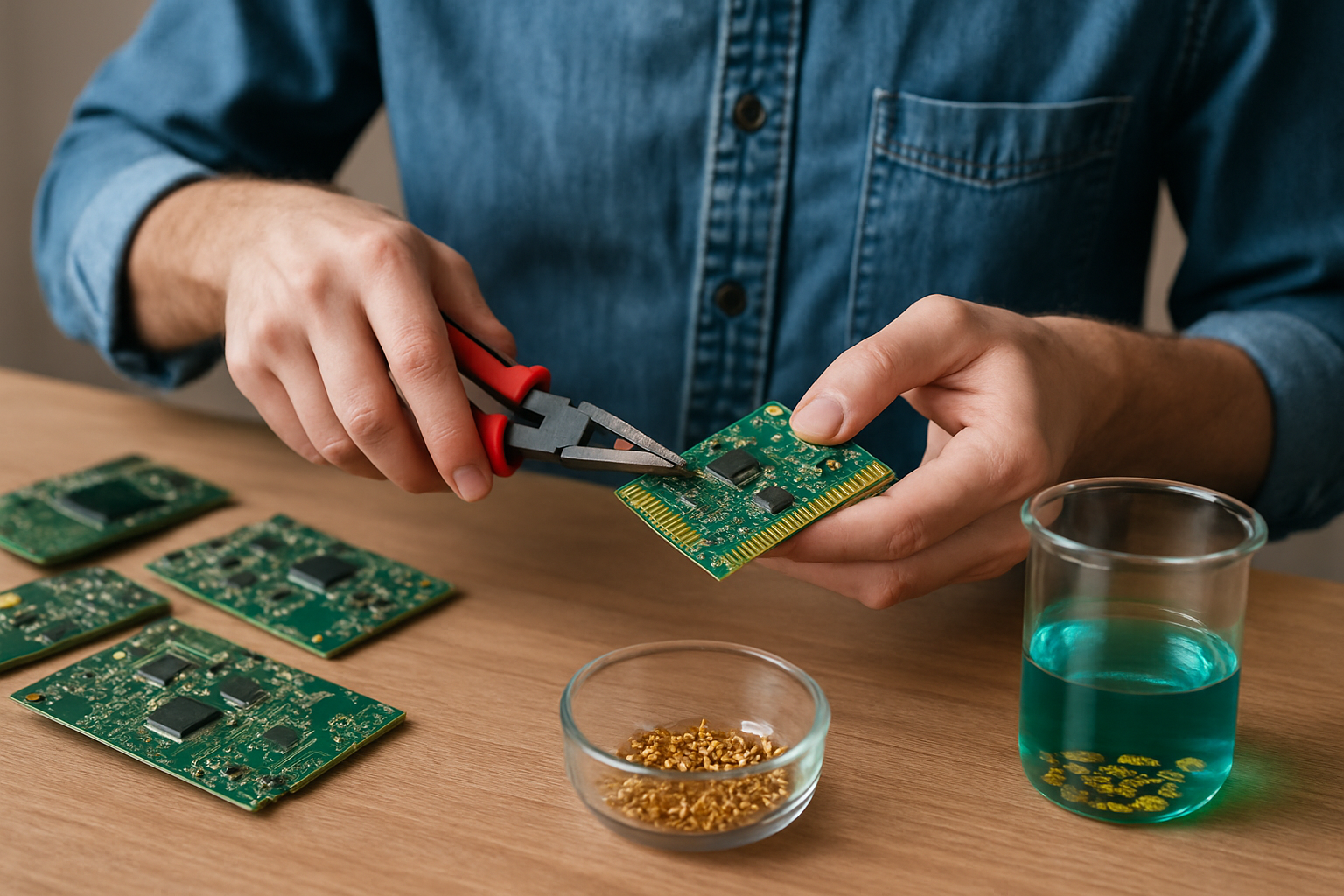
How to Remove Gold from Electronics at Home: A Step-by-Step Guide
Have you ever wondered how to remove gold from electronics at home? With the rise in electronic waste, many people are looking for ways to recycle valuable metals like gold. In fact, it is estimated that a ton of electronic waste contains more gold than a ton of gold ore. This article will guide you through safe and effective methods for extracting gold from various electronic components. You’ll learn about the tools needed, step-by-step processes, and safety precautions to take during gold recovery. Whether you’re an eco-conscious individual or just curious about this fascinating process, you’ll find valuable insights that will empower you to reclaim precious metals responsibly.
Understanding the Value of Gold in Electronics
Gold is a highly conductive metal found in various electronic devices, making it valuable for recycling. Common sources include circuit boards, connectors, and chips. The gold content in these devices can be small, but it adds up, especially when recycling multiple items. Understanding where to find gold is crucial before attempting extraction. This knowledge ensures that you are targeting the right components, maximizing your recovery efforts, and being aware of the potential hazards involved in the process.
Common Sources of Gold in Electronics
Gold can be found in many electronic devices such as smartphones, computers, and televisions. Look for gold-plated connectors, circuit boards, and internal components like CPUs and memory modules. These items often contain traces of gold that can be harvested through proper methods.
Estimating Gold Content
To estimate how much gold you can recover, consider the type of device and its age. Older electronics tend to have more gold due to less stringent regulations on materials. Research the average gold content in specific devices to gauge potential yield before starting the extraction process.
Key Points:
- Gold is valuable for its conductivity and recyclability.
- Older electronics often contain more gold.
💡 Research the types of electronics that yield the most gold.
Safety Precautions for Extracting Gold
Extracting gold from electronics involves hazardous materials and chemicals. It’s essential to take safety precautions to protect yourself from potential dangers. Always work in a well-ventilated area and wear appropriate protective gear such as gloves, goggles, and masks. Familiarize yourself with the chemicals you will use, and ensure proper disposal methods for hazardous waste. Following these safety measures is crucial to safely conducting gold extraction at home.
Protective Equipment
When removing gold from electronics, wear gloves to prevent skin contact with chemicals. Goggles are important to shield your eyes from splashes, and a mask can protect your respiratory system from harmful fumes. Proper equipment minimizes health risks associated with the extraction process.
Ventilation and Workspace Setup
Ensure your workspace is well-ventilated to disperse toxic fumes released during gold extraction. Ideally, work outdoors or in a space with good airflow. Keep your tools organized and away from flammable materials to create a safe and efficient working environment.
Key Points:
- Safety precautions are essential for health and well-being.
- Ventilation is crucial when working with hazardous materials.
💡 Always prioritize safety by using proper protective gear.
Understanding the Basics of Gold Recovery
Removing gold from electronics at home involves understanding the composition of electronic devices and the methods of gold extraction. Most commonly, gold is found in circuit boards, connectors, and chips. The primary methods for recovery include chemical processes and physical methods. Chemical methods typically involve the use of acids, such as nitric acid and hydrochloric acid, whereas physical methods may involve mechanical processes like shredding or grinding. Safety is paramount, as many chemicals used can be hazardous. Proper ventilation and protective gear are essential during the recovery process.
Identifying Gold-Bearing Components
To effectively remove gold, you first need to identify parts containing gold. Look for gold-plated connectors, circuit boards, and integrated circuits. Gold is often used for its conductivity and resistance to corrosion, making it a preferred choice in electronics. Disassemble devices carefully to salvage these components, ensuring that you don’t damage them, as this will make extraction more difficult.
Safety Precautions
When handling electronics and chemicals, safety cannot be overlooked. Always wear gloves, goggles, and a mask to protect against harmful fumes and skin contact. Work in a well-ventilated area to minimize inhalation of toxic substances. It is also advisable to have a neutralizing agent on hand in case of spills or accidents involving acids.
Key Points:
- Gold is primarily located in specific electronic components.
- Safety measures are critical when extracting gold.
💡 Use high-quality tools for disassembly to avoid damaging components, which can lead to lower recovery rates.
💡 Take detailed notes on the types of components you find to streamline the recovery process in future projects.
Methods for Extracting Gold from Electronics
There are several methods to extract gold from electronics, but the most common techniques are chemical leaching and physical separation. Chemical leaching involves dissolving gold using acids, while physical separation includes methods such as melting or mechanical separation. Each method has its pros and cons, and the choice often depends on the amount of gold present and the tools available. Chemical methods can yield higher recoveries but are more hazardous, while physical methods are generally safer but may result in lower gold extraction efficiency.
Chemical Leaching Process
The chemical leaching process typically involves creating a solution of nitric and hydrochloric acids, known as aqua regia. Carefully submerge the gold-bearing components in the solution, allowing the gold to dissolve. Once the solution is filtered, the gold can be precipitated out using a reducing agent. This method requires careful handling of acids and thorough neutralization of waste.
Physical Separation Techniques
Physical separation techniques include grinding the components into a powder and using a gold recovery method such as panning or using a centrifuge. These methods are generally safer than chemical leaching but may not extract all the gold from the materials. Combining methods can improve recovery rates, making it worthwhile to experiment with both techniques.
Key Points:
- Chemical leaching can recover more gold but is hazardous.
- Physical methods are safer but might be less effective.
💡 Always neutralize chemical waste properly to avoid environmental hazards.
💡 Experiment with different techniques to find the most effective method for your specific materials.
EXPERT TIPS Pro Advice
Start small with electronics that contain minimal gold.
Practicing on less valuable electronics helps build skills without risking significant loss.
Document your processes and results.
Keeping records will help you refine your methods for better efficiency in future projects.
Consider using protective barriers when working with chemicals.
This reduces the risk of accidental spills and exposure, enhancing overall safety.
Stay informed about local regulations.
Understanding legal guidelines for hazardous waste disposal is crucial to comply with environmental laws.
Frequently Asked Questions
Conclusion
Removing gold from electronics at home involves careful disassembly, chemical or physical extraction methods, and strict adherence to safety protocols. While it can be rewarding, consider the potential hazards and environmental impact. Recycling electronics may provide a safer alternative.
🎯 Key Takeaways:
- Gold is valuable in electronics for its conductivity and corrosion resistance.
- Safety gear is crucial when handling chemicals or disassembling devices.
- Physical removal methods exist but may yield less gold than chemical processes.
- Recycling electronics is a safer, eco-friendly alternative to DIY extraction.
Expert Advice: Always prioritize safety and environmental considerations when extracting gold from electronics. Ensure you fully understand the processes involved before proceeding, and consider recycling as a viable option.
If you’re interested in the value of your old electronics, research local recycling programs or workshops to learn more about responsible disposal and resource recovery.
Leave a Reply