
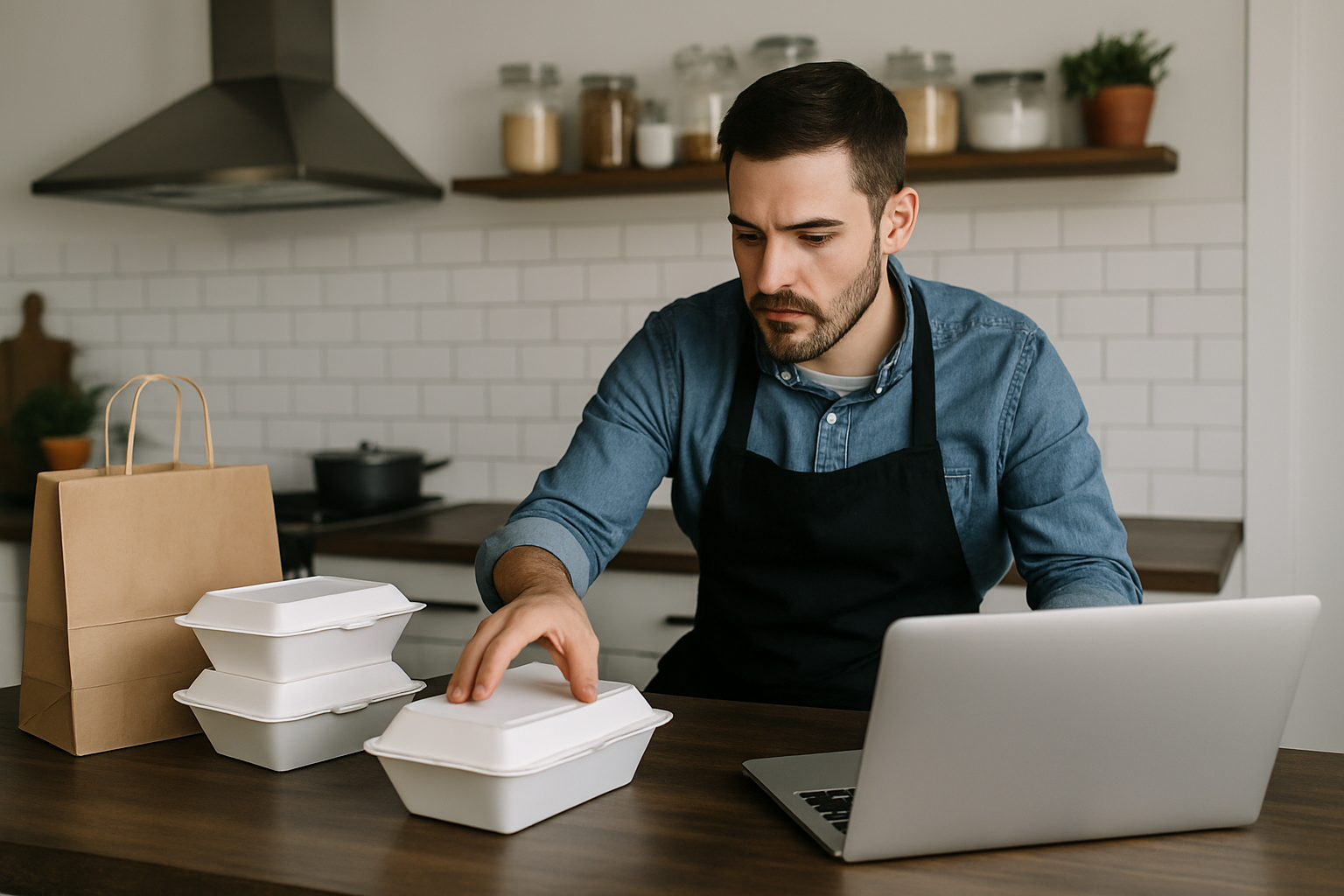
Can You Run a Ghost Kitchen from Home? Everything You Need to Know
Have you ever wondered if you can run a ghost kitchen from home? With the rise of food delivery services and the demand for unique culinary experiences, many aspiring chefs are considering this innovative business model. A ghost kitchen, or virtual kitchen, allows you to prepare food for delivery without the need for a traditional restaurant space. However, this venture comes with its own set of challenges, including understanding local health regulations and ensuring food safety. In this article, we will explore everything you need to know about starting a ghost kitchen from your home, including the legal requirements, potential benefits, and common pitfalls to avoid. Whether you’re a seasoned chef or a passionate home cook, this guide will help you navigate the exciting world of ghost kitchens.
Understanding Ghost Kitchens
Ghost kitchens, also known as virtual kitchens or cloud kitchens, are commercial cooking spaces that operate without a traditional dine-in restaurant. They focus solely on food delivery and takeout, leveraging online ordering systems. This model can significantly reduce overhead costs associated with running a full-service restaurant, making it an attractive option for aspiring food entrepreneurs. One of the unique aspects of ghost kitchens is their flexibility; they can be set up in various locations, including home kitchens, provided local regulations permit it. Understanding the ghost kitchen concept is crucial for anyone contemplating this venture from home.
Benefits of Running a Ghost Kitchen
The primary benefit of a ghost kitchen is cost savings. Without the need for a physical dining space, entrepreneurs can save on rent, utilities, and labor costs. Additionally, ghost kitchens offer the ability to experiment with different menus without the pressure of maintaining a full-service restaurant. This flexibility allows for quick adaptation to market trends and customer preferences. Overall, the reduced risk and financial commitment make ghost kitchens an appealing choice for many.
Challenges of Operating from Home
While running a ghost kitchen from home can be advantageous, it also presents challenges. Home kitchens may lack the necessary commercial-grade equipment and space for large-scale production. Additionally, local health regulations may restrict food preparation in residential areas. It’s essential to investigate these regulations to ensure compliance before starting. Balancing personal and professional life can also be challenging when working from home, necessitating effective time management skills.
Setting Up a Ghost Kitchen at Home
Setting up a ghost kitchen from home involves several essential steps, starting with understanding local laws regarding food production. Check zoning laws, health codes, and necessary permits to ensure that your operations are compliant. Next, design your kitchen layout to optimize workflow, focusing on efficiency and food safety. Invest in quality cooking equipment and storage solutions that meet health standards. Finally, create a robust marketing strategy to attract customers through online platforms, emphasizing your unique selling points and building your brand.
Legal Considerations
Before launching your ghost kitchen, it’s critical to research local food safety regulations and licensing requirements. Many areas have specific laws regarding food handling, preparation, and delivery that must be adhered to. This often includes obtaining a food handler’s permit, registering your business, and passing health inspections. Failure to comply can result in fines or closure, making this an essential step in your planning process.
Optimizing Kitchen Workflow
Efficient kitchen workflow is vital for a successful ghost kitchen. Organize your kitchen to minimize movement and maximize productivity. Use a station-based approach where each area is designated for specific tasks, such as prep, cooking, and plating. Invest in storage solutions to keep ingredients and tools accessible. Streamlining your operations will not only improve efficiency but also enhance food quality and reduce preparation time, leading to better customer satisfaction.
Understanding the Concept of a Ghost Kitchen
A ghost kitchen, also known as a virtual kitchen or cloud kitchen, is a food service business that operates without a traditional storefront. These kitchens primarily focus on delivery and takeout orders, leveraging online platforms to reach customers. Running a ghost kitchen from home can be a viable option, provided you understand the necessary operational and legal requirements. It allows entrepreneurs to minimize overhead costs while capitalizing on the growing demand for food delivery services. However, it’s crucial to evaluate local regulations, kitchen space, and food safety protocols before proceeding.
Defining Your Menu
Crafting a well-defined menu is essential for a ghost kitchen. Focus on a limited selection of items that can be prepared efficiently and have high demand. This not only simplifies your cooking process but also enhances the customer experience. Consider trending cuisines and popular dishes in your area to attract a larger customer base.
Legal and Health Regulations
Before launching your ghost kitchen, familiarize yourself with local health department regulations and zoning laws. Many jurisdictions require food businesses to comply with specific health codes, which may involve licensing and food safety training. Ensure your home kitchen meets the necessary standards to operate legally and safely.
Key Points:
- A ghost kitchen can operate without a traditional storefront.
- Legal compliance is essential for a successful home-based kitchen.
💡 Research local regulations to ensure compliance and avoid penalties.
💡 Keep your menu simple to streamline operations and enhance customer satisfaction.
Setting Up Your Home Kitchen for Success
To run a ghost kitchen from home, you need to optimize your kitchen space for efficiency and productivity. This includes organizing your cooking area, ensuring you have the right equipment, and establishing a workflow that minimizes downtime. Consider the logistics of food preparation, packaging, and delivery to streamline your operations and enhance customer service. Additionally, effective marketing strategies are vital to attract and retain customers in a competitive environment.
Kitchen Organization and Equipment
An organized kitchen is crucial for maintaining efficiency. Designate specific areas for prep, cooking, and packing. Invest in high-quality, space-saving equipment that can handle your menu demands. Proper storage solutions will also help manage ingredients and reduce waste.
Delivery and Packaging Considerations
Effective packaging is essential for maintaining food quality during delivery. Choose packaging that is both functional and visually appealing to enhance the customer experience. Partnering with delivery services or creating a reliable in-house delivery system can improve your service efficiency.
Key Points:
- Efficient kitchen organization directly impacts productivity.
- Quality packaging enhances customer perception and satisfaction.
💡 Organize your kitchen to minimize movement and maximize efficiency.
💡 Invest in quality packaging to ensure food arrives in optimal condition.
EXPERT TIPS Pro Advice
Utilize social media for marketing
Social media platforms can effectively reach your target audience, build brand awareness, and engage with customers. Regular posting about your offerings can drive traffic to your ghost kitchen.
Monitor customer feedback
Actively seeking and responding to customer feedback can help improve your service and menu. This engagement builds loyalty and allows you to adapt to your customers’ preferences.
Develop strategic partnerships
Forming partnerships with local suppliers or delivery services can enhance your operational efficiency and expand your reach to potential customers.
Experiment with promotional offers
Offering discounts or special promotions can attract new customers and encourage repeat business. Monitor the effectiveness of these strategies to optimize your marketing efforts.
Frequently Asked Questions
Conclusion
Running a ghost kitchen from home is feasible with the right permits and a solid marketing strategy. Understanding local regulations and focusing on quality food preparation are crucial. By leveraging online platforms, you can successfully attract customers and build a thriving home-based food business.
🎯 Key Takeaways:
- You can operate a ghost kitchen from home if you meet local regulations.
- Obtain necessary permits, including food service and business licenses.
- Marketing is key; use social media and delivery apps effectively.
- Consider your menu carefully to ensure quality across multiple cuisines.
- Evaluate the need for staff based on your order volume.
- Invest in quality equipment to meet health standards.
Expert Advice: Stay informed about local food laws and continuously refine your business model to adapt to market demands. Focus on customer satisfaction to foster repeat business and positive reviews.
Explore your local regulations and start planning your ghost kitchen today!
Leave a Reply