
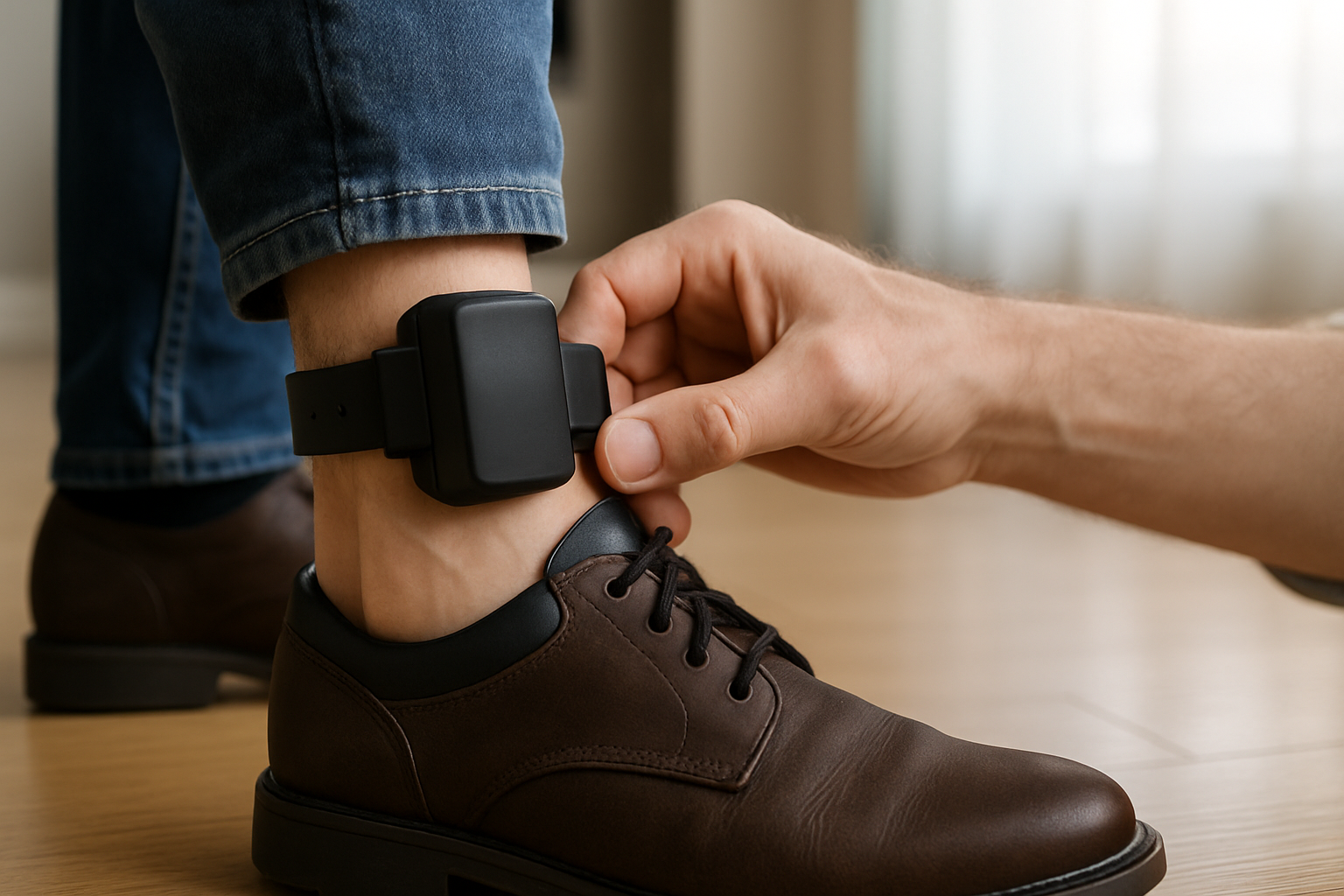
What Are the Three Levels of Home Confinement Electronic Monitoring?
Are you curious about how home confinement works and its different levels? Understanding what are the three levels of home confinement electronic monitoring is essential for anyone navigating the complexities of supervised release. With increasing emphasis on rehabilitation rather than incarceration, electronic monitoring has become a critical tool in the justice system. This article will explore the three distinct levels of home confinement, how they differ from one another, and the implications for individuals under supervision. By the end, you will gain insights into how these monitoring levels function and their significance in promoting compliance and reducing recidivism.
Understanding Home Confinement Electronic Monitoring
Home confinement electronic monitoring is a system designed to ensure compliance with court-ordered restrictions while allowing individuals to remain in their homes. This system is often utilized as an alternative to incarceration and involves the use of electronic devices to monitor the individual’s movements. The primary purpose is to maintain public safety while providing an opportunity for rehabilitation. Understanding the framework of home confinement is essential for appreciating its implications in the criminal justice system.
What is Home Confinement?
Home confinement refers to a legal alternative to incarceration where individuals are restricted to their homes instead of being placed in a jail or prison. This form of monitoring is often employed for non-violent offenders or those awaiting trial, allowing them to maintain family connections and employment while serving their sentences or awaiting court dates.
The Role of Electronic Monitoring
Electronic monitoring uses technology, such as GPS or radio frequency devices, to track an individual’s location and movements. These devices ensure compliance with the terms of confinement by providing real-time data to law enforcement agencies. This technology helps reduce overcrowding in jails and supports reintegration into society.
Key Points:
- Home confinement allows individuals to stay at home instead of being incarcerated.
- Electronic monitoring technologies enhance compliance with confinement terms.
The Three Levels of Home Confinement Electronic Monitoring
The three levels of home confinement electronic monitoring provide a structured approach to supervision based on the severity of the offense and the risk posed by the individual. These levels range from the least restrictive to the most stringent, each with specific requirements and technologies employed. Understanding these levels is crucial for legal professionals, offenders, and their families to navigate the system effectively.
Level One: Curfew Monitoring
Curfew monitoring is the least restrictive level of home confinement. Individuals are required to remain at home during designated hours, typically at night. This level often utilizes basic electronic devices to confirm the individual’s presence at home without continuous tracking. It allows flexibility for work or other necessary activities during the day.
Level Two: GPS Monitoring
GPS monitoring represents a mid-level of supervision, where individuals wear a GPS-enabled device that tracks their location in real-time. This technology ensures compliance with geographical restrictions, such as staying away from certain areas. This level is typically used for individuals considered a moderate risk to public safety.
Level Three: Continuous Monitoring
Continuous monitoring is the most stringent level, where individuals are subject to real-time tracking throughout the day and night. This level often employs advanced technologies to provide continuous updates on the person’s location. It is typically reserved for high-risk individuals who may pose a threat to public safety or have a history of non-compliance.
Key Points:
- The three levels of monitoring vary in strictness based on individual risk.
- Understanding these levels assists in navigating legal and rehabilitation processes.
Understanding the Three Levels of Home Confinement Electronic Monitoring
Home confinement electronic monitoring is a structured process that allows individuals to serve their sentences in the community under strict supervision. The three levels of monitoring—passive, active, and GPS tracking—vary in their intensity and the technology used. Passive monitoring involves basic check-ins via telephone, while active monitoring uses real-time data to ensure compliance. GPS tracking provides location data to enforce geographical restrictions, making it the most stringent form of monitoring. Each level serves a purpose based on the individual’s criminal history, risk assessment, and specific court orders.
Passive Monitoring
Passive monitoring is the least intrusive level of electronic supervision. It typically involves scheduled telephone calls or text messages to confirm the individual’s location. This system relies on self-reporting, making it suitable for lower-risk offenders. The simplicity of this method allows for minimal disruption to the individual’s daily life while still ensuring compliance.
Active Monitoring
Active monitoring employs more advanced technology to track compliance continuously. This may include devices that send alerts if the individual breaches set curfews or geographical boundaries. Active monitoring is often used for moderate-risk offenders who require more oversight than passive monitoring provides, ensuring they adhere to the terms of their confinement.
GPS Tracking
GPS tracking represents the highest level of home confinement monitoring. It provides real-time geographical data, allowing authorities to enforce specific restrictions like exclusion zones. This technology is crucial for higher-risk offenders, as it offers comprehensive location tracking and immediate alerts for any violations, thereby enhancing public safety.
Key Points:
- Three levels of monitoring: passive, active, and GPS tracking.
- Monitoring levels are determined by risk assessment and court orders.
💡 Understand the specific terms of your monitoring level to ensure compliance.
💡 Maintain open communication with your monitoring officer to address any concerns.
💡 Utilize available resources for support during your confinement period.
Benefits and Challenges of Home Confinement Electronic Monitoring
Home confinement electronic monitoring offers a range of benefits, including reduced overcrowding in prisons and the ability to maintain familial and employment responsibilities. However, it also comes with challenges such as the potential for technical malfunctions and the psychological impact of constant surveillance. Understanding both sides can help individuals navigate their home confinement experience more effectively.
Benefits of Home Confinement
One significant benefit of home confinement is the opportunity for offenders to remain integrated into their communities. This can facilitate continued employment and education, which are critical for successful reintegration post-confinement. Additionally, it reduces the burden on the prison system, allowing resources to be allocated more efficiently.
Challenges of Electronic Monitoring
Despite its advantages, electronic monitoring can present challenges. Technical issues, such as device malfunctions, can lead to false violations, creating unnecessary stress. Furthermore, the constant presence of monitoring can lead to feelings of anxiety and loss of privacy, which can affect an individual’s mental well-being.
Strategies for Effective Compliance
To navigate the challenges of home confinement effectively, individuals should establish a routine that incorporates regular check-ins and adhere strictly to set schedules. Engaging in community programs or support groups can also provide emotional support and accountability, helping to mitigate feelings of isolation or anxiety.
Key Points:
- Home confinement reduces prison overcrowding and promotes community integration.
- Challenges include technical issues and mental health impacts.
💡 Create a daily schedule to help manage time effectively during confinement.
💡 Seek support from family and friends to maintain morale.
💡 Report any device malfunctions immediately to avoid potential violations.
EXPERT TIPS Pro Advice
Know your rights regarding monitoring.
Understanding your rights can help prevent violations and ensure fair treatment during your confinement.
Stay organized with compliance requirements.
Keeping track of your obligations can help you avoid unintentional breaches of your monitoring terms.
Engage with community resources.
Utilizing local programs can provide support and structure, making your confinement experience more manageable.
Communicate proactively with monitoring authorities.
Open communication can help address issues before they escalate into more significant problems.
Practice self-care to manage stress.
Maintaining your mental health is essential during this period; engage in activities that promote relaxation and well-being.
Frequently Asked Questions
Conclusion
Understanding the three levels of home confinement electronic monitoring is crucial for individuals facing these measures. Curfew, GPS tracking, and home detention each provide unique supervision methods aimed at ensuring compliance and public safety. This system balances accountability with rehabilitation opportunities.
🎯 Key Takeaways:
- The three levels are curfew monitoring, GPS tracking, and home detention.
- Curfew monitoring restricts movement during specific hours.
- GPS tracking provides real-time location data.
- Home detention limits movement to the residence except for approved absences.
- Electronic monitoring can reduce incarceration costs and support rehabilitation.
Expert Advice: Stay informed about your rights and responsibilities within an electronic monitoring program. Engage with support services to navigate the process and maintain compliance effectively.
Consider discussing your situation with a legal advisor or a support group to better understand your options and responsibilities.
Leave a Reply