
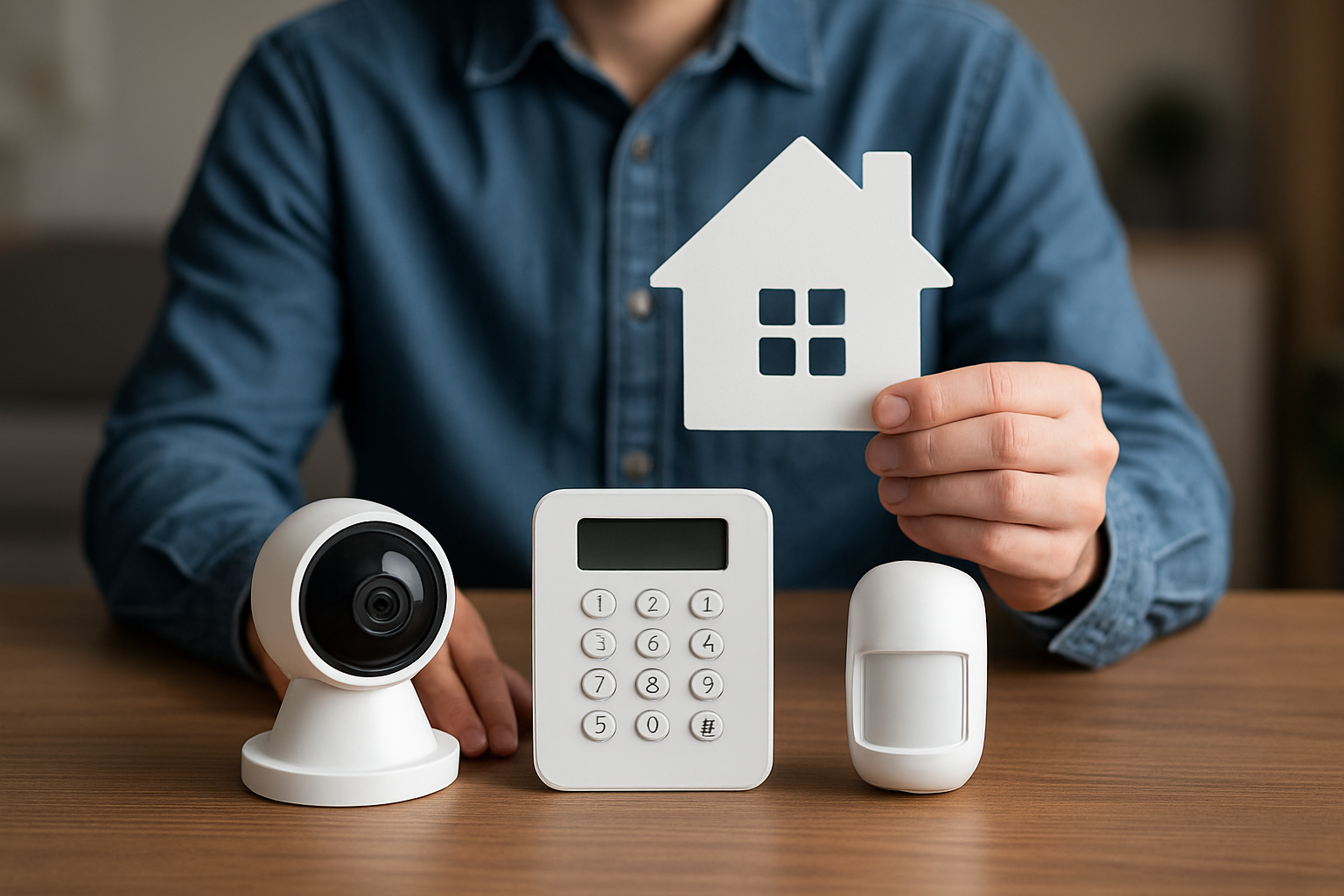
Are you feeling uncertain about your home’s safety? With increasing concerns over burglary and property crime, choosing the right home security system is more important than ever. As a seasoned expert in security solutions, I understand the complexities involved in selecting the best system tailored to your needs. In this article, we will explore critical factors to consider when evaluating home security systems, including features, costs, and monitoring options. By the end, you will have a clearer understanding of what home security system is the best fit for your specific requirements, ensuring peace of mind for you and your loved ones.
Understanding Home Security Systems
Home security systems are designed to protect residences from intrusions, theft, and other emergencies. They typically consist of various components, including alarms, cameras, sensors, and monitoring services. Understanding the key features and functions of these systems is essential for selecting the best option for your home. Factors such as the level of monitoring, ease of installation, and integration with smart home devices can greatly influence the effectiveness of a security system. Ultimately, the best home security system is one that meets your specific needs and provides peace of mind.
Types of Home Security Systems
Home security systems can be broadly categorized into three types: wired, wireless, and hybrid systems. Wired systems are hardwired into the home, providing reliability but complicating installation. Wireless systems use radio signals to communicate, allowing for easier installation and flexibility. Hybrid systems combine both wired and wireless components, offering a balance of reliability and convenience, making them a popular choice for many homeowners.
Key Components of Security Systems
The main components of a home security system include alarms, surveillance cameras, motion detectors, and access control devices. Alarms alert homeowners and authorities during a breach, while cameras provide visual monitoring. Motion detectors sense movement and trigger alarms or notifications, and access control devices manage entry points. Understanding these components helps homeowners determine what features are necessary for their security needs.
Key Points:
- Home security systems protect against theft and emergencies
- Choosing the right system depends on individual needs and preferences
Evaluating Security System Options
When deciding on the best home security system, consider several factors, including budget, installation process, monitoring options, and the level of customization available. An effective system should fit within your budget while still offering essential features. Installation can be DIY or professionally done; understanding your comfort level with technology is crucial. Monitoring options may include self-monitoring through apps or professional monitoring services, which provide 24/7 support. Customization allows homeowners to tailor their systems to specific needs, ensuring maximum security.
Budget Considerations
Establishing a budget is a critical step in selecting a home security system. Consider both initial costs, such as equipment and installation, and ongoing expenses like monitoring fees. A clear budget helps narrow down options to those that provide the best value without compromising safety. Remember that investing in quality can save money in the long run by preventing losses from theft or damages.
Installation and Monitoring Options
Installation methods can vary greatly. DIY systems are often more affordable and allow for flexible setups, while professional installation ensures proper setup and functionality. Regarding monitoring, decide whether you prefer real-time alerts and self-monitoring or a professional service that responds to alarms. Each option has its advantages, and the choice should align with your lifestyle and security needs.
Key Points:
- Consider budget, installation, and monitoring options
- Customization is key to maximizing security effectiveness
Evaluating the Core Features of Home Security Systems
When determining what home security system is the best, it’s essential to evaluate the core features that ensure comprehensive protection. Key features include monitoring options, sensor types, and mobile accessibility. A reliable system should offer 24/7 monitoring with options for professional or self-monitoring. This aids in immediate response during security breaches. Additionally, sensor types like motion detectors, door/window sensors, and surveillance cameras play a crucial role in the efficacy of a system. Finally, mobile accessibility allows homeowners to remotely access their security system, providing peace of mind when away from home.
Monitoring Options
Monitoring options can significantly influence the effectiveness of a home security system. Professional monitoring usually involves a monthly fee but ensures rapid response during emergencies. On the other hand, self-monitoring can be cost-effective but requires homeowners to be vigilant. Assess your lifestyle and preferences to choose the most suitable option for your needs.
Sensor Types
Different types of sensors include motion detectors, window/door sensors, and environmental sensors for smoke or carbon monoxide. A balanced combination of these sensors enhances overall security. For example, integrating motion detectors in combination with door/window sensors can provide a layered approach to security, ensuring detection at multiple entry points.
Mobile Accessibility
Mobile accessibility is becoming a standard feature in modern home security systems. The ability to control your security system remotely via smartphone apps allows for real-time alerts and notifications. This feature is crucial during travel or while at work, enabling homeowners to check the status of their home and receive instant updates in case of suspicious activity.
💡 Consider a system that offers both professional and self-monitoring options to suit your needs.
💡 Choose a system with diverse sensor types to cover various entry points effectively.
💡 Ensure the system has a user-friendly mobile app for easy remote access.
Understanding Installation and Integration
The installation process and integration capabilities of a home security system are critical factors in determining its effectiveness. Some systems require professional installation, while others are designed for DIY setup. Understanding the installation process can help you avoid common pitfalls. Moreover, compatibility with smart home devices is another essential aspect. A system that integrates seamlessly with smart home technology can enhance security and convenience, allowing you to manage all your devices from one platform.
Professional vs. DIY Installation
Professional installation can provide benefits such as expert placement of sensors and cameras, which can optimize system performance. Conversely, DIY installation offers flexibility and cost savings. If you choose DIY, follow the manufacturer’s guidelines carefully to ensure proper setup and functionality.
Smart Home Integration
When evaluating what home security system is the best, consider how well it integrates with existing smart home devices. Systems that can work with smart locks, lights, and thermostats can create a cohesive smart home environment. This integration not only enhances security but also increases convenience by allowing automated routines.
Scalability of the System
Scalability is an important consideration for future-proofing your home security. As your needs change, the ability to add new sensors or devices without major upgrades can save you time and money. Look for systems that offer modular components or can be expanded easily.
💡 Research installation options to find a balance between cost and expertise.
💡 Check compatibility with your current smart home devices to maximize functionality.
💡 Choose a scalable system that can grow with your security needs over time.
EXPERT TIPS Pro Advice
Prioritize systems with comprehensive customer support.
Good customer support can assist with troubleshooting and ensure your system is always operating effectively.
Regularly update your system’s software.
Keeping your security system’s software updated protects against vulnerabilities and enhances performance.
Conduct routine testing of your security system.
Regular testing ensures all components are functioning properly, which is critical for reliable security.
Consider environmental factors when choosing sensor placement.
Proper placement of sensors, considering factors like sunlight and obstacles, can significantly improve their effectiveness.
Stay informed about local crime trends.
Understanding the crime patterns in your area can help you customize your security system for better protection.
Frequently Asked Questions
Conclusion
Choosing the best home security system involves understanding your specific needs, budget, and features like professional monitoring and video surveillance. Assessing DIY options versus professional installation is also crucial. Tailoring your approach ensures optimal security for your home.
🎯 Key Takeaways:
- Identify key features such as monitoring and surveillance.
- Budget for both installation and monthly fees.
- Consider DIY installation versus professional help.
- Evaluate different system types based on your home layout.
- Enhance security even without a formal system.
Expert Advice: Take the time to research and assess your unique security needs. Prioritize features that align with your lifestyle and consider consulting security experts for tailored advice.
Start evaluating your home security needs today and create a plan that ensures peace of mind.
Leave a Reply