Are you considering installing a security camera but unsure what to look for? With the rise in home security concerns, knowing what is a good home security camera is essential for safeguarding your property. In this comprehensive guide, we will explore the vital features that define an effective home security camera, including resolution, field of view, and connectivity options. Drawing on over 15 years of expertise in home security solutions, we will help you understand the benefits of investing in a quality camera and how to choose the right one for your needs. By the end of this article, you’ll be equipped with the knowledge necessary to make an informed decision and enhance your home security.
Understanding Home Security Cameras
Home security cameras are essential tools for enhancing safety and monitoring your property. They serve various purposes, from deterring crime to providing peace of mind when you are away. A good home security camera should offer reliable video quality, ease of use, and effective monitoring capabilities. Understanding the different types of cameras and their features is crucial when selecting a suitable system for your home.
Types of Home Security Cameras
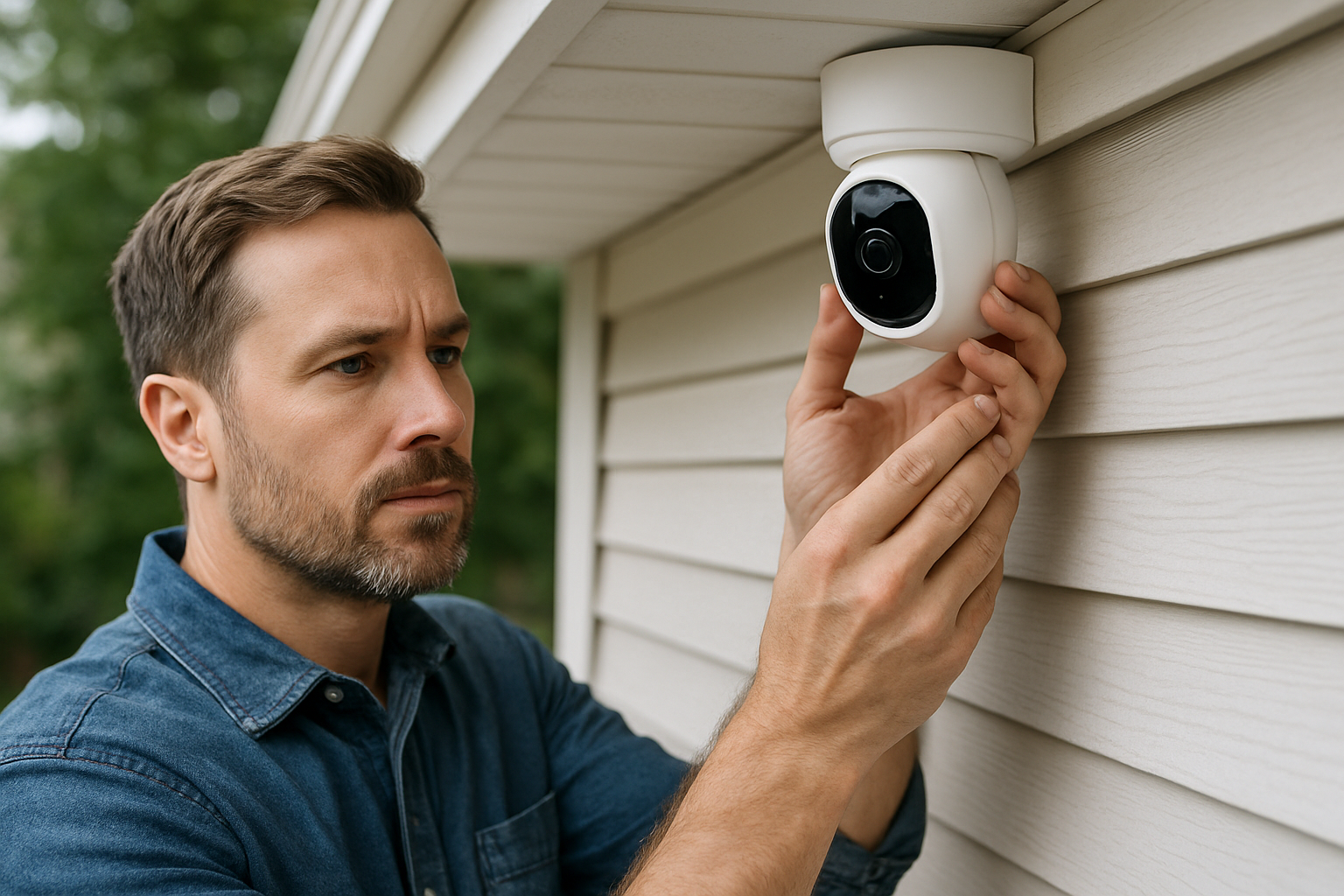
Home security cameras come in several types, including indoor, outdoor, wired, and wireless models. Indoor cameras typically focus on monitoring living spaces, while outdoor cameras are designed to withstand environmental conditions. Wired cameras offer stable connectivity but can be harder to install, whereas wireless cameras provide flexibility and easier setup. Choosing the right type depends on your specific surveillance needs.
Key Features to Consider
When evaluating a home security camera, consider essential features such as resolution, field of view, night vision, and motion detection. High-resolution cameras provide clearer images, while a wider field of view can cover more ground. Night vision capabilities ensure visibility in low-light conditions, and motion detection alerts can notify you of suspicious activities. Assessing these features helps in selecting a camera that meets your security requirements.
Key Points:
- Home security cameras enhance safety and offer peace of mind.
- Different types of cameras cater to various surveillance needs.
Evaluating Home Security Camera Performance
To determine what constitutes a good home security camera, it is vital to evaluate performance metrics such as video quality, storage options, and connectivity. A high-quality camera should deliver clear, detailed footage, especially in critical situations. Additionally, understand the storage methods available, whether cloud-based or local storage, to ensure reliable footage retention. Connectivity options, including Wi-Fi and Ethernet, also play a significant role in camera reliability and ease of use.
Video Quality and Resolution
Video quality is often measured in pixels, with higher resolutions leading to clearer images. Look for cameras that offer at least 1080p resolution for satisfactory clarity. This is particularly important for identifying faces or license plates. Some advanced models may even offer 4K resolution, but it’s essential to balance quality with storage capabilities, as higher resolution footage requires more space.
Storage Solutions
Storage options for security camera footage can vary widely. Cloud storage offers remote access and automated backups, while local storage provides physical control over your data. Consider the pros and cons of each method, including cost, accessibility, and potential security risks. Some systems may also allow hybrid storage solutions, combining both cloud and local options for flexibility.
Key Points:
- Performance metrics include video quality, storage, and connectivity.
- Higher resolution improves image clarity, essential for effective surveillance.
Understanding the Key Features of Home Security Cameras
When evaluating what constitutes a good home security camera, several key features must be considered. First, resolution plays a crucial role; higher resolution means clearer images. Look for cameras that provide at least 1080p resolution for optimal clarity. Second, the field of view is essential for covering larger areas. A wider field of view can reduce the number of cameras required for comprehensive coverage. Third, night vision capabilities are critical for surveillance in low-light conditions, ensuring that your property is monitored effectively at all times.
Resolution and Image Quality
The resolution of a security camera impacts the detail captured in footage. Cameras with 4MP or higher offer superior clarity, which is vital for identifying faces or license plates. Additionally, consider features like HDR (High Dynamic Range) for improved image quality in varying lighting conditions.
Field of View and Coverage
A camera’s field of view is measured in degrees. The wider the angle, the more area the camera can monitor. Cameras offering a 90 to 120-degree field of view are ideal for indoor settings, while outdoor cameras might need a wider angle to cover larger outdoor spaces.
Night Vision and Low-Light Performance
Good night vision is essential for 24/7 surveillance. Look for cameras that offer infrared night vision, which allows for visibility in complete darkness. Some advanced models also feature color night vision, providing clearer images even in low-light environments.
💡 Always opt for at least 1080p resolution for better clarity in footage.
💡 Consider the layout of your home when determining the necessary field of view.
💡 Check for advanced night vision capabilities to ensure 24/7 surveillance.
Integrating Home Security Cameras into Your Security System
To maximize the effectiveness of your home security cameras, integration with a broader security system is vital. This includes connecting your cameras to a home automation system, allowing for centralized control and monitoring. Furthermore, ensure that your cameras provide real-time alerts and notifications. This feature allows homeowners to respond promptly to any suspicious activity. Lastly, cloud storage options for video footage are essential for ensuring access to recorded data, especially in the event of an incident.
Home Automation Compatibility
Integrating cameras with home automation systems enables seamless control. Look for cameras that are compatible with smart home platforms, allowing you to manage your security system via a single app. This integration can enhance your security setup by automating routines, like activating cameras when you leave home.
Real-Time Alerts and Notifications
Good home security cameras should send instant notifications to your smartphone when motion is detected or when unusual activity occurs. This feature allows for immediate action, enhancing your home’s security. Customizable alerts can help reduce false alarms and focus on significant threats.
Cloud Storage Solutions
Consider cameras that offer cloud storage for video footage. This feature is crucial for accessing past recordings in case of incidents. Evaluate the storage plans available; some might include free options while others may charge fees. Ensure you have a reliable backup of important footage.
💡 Integrate cameras with a home automation system for centralized control.
💡 Set up customizable alerts to avoid false alarms and focus on real threats.
💡 Choose cameras that offer cloud storage for easy access to footage.
EXPERT TIPS Pro Advice
Conduct a thorough site assessment before installation.
Understanding your home layout helps determine the best camera placements, ensuring maximum coverage and effectiveness.
Regularly review and update your security settings.
Keeping your security settings updated helps protect against new threats and vulnerabilities, ensuring ongoing safety.
Consider using cameras with two-way audio.
Two-way audio allows you to communicate with visitors or deter intruders, adding an extra layer of security.
Monitor camera performance and coverage regularly.
Regular checks ensure cameras are functioning correctly and cover all necessary areas, preventing blind spots.
Use strong passwords and enable two-factor authentication.
Securing your camera system with strong passwords and two-factor authentication helps prevent unauthorized access.
Frequently Asked Questions
Conclusion
Choosing a good home security camera involves understanding essential features, assessing your security needs, and considering integration with smart systems. Prioritize video quality, installation preferences, and overall security measures to enhance your home’s safety. A well-chosen camera can significantly deter crime and provide peace of mind.
🎯 Key Takeaways:
- Prioritize features like resolution, night vision, and motion detection.
- Consider your specific security needs when selecting a camera.
- Integration with smart home systems can enhance functionality.
- Both wired and wireless options have unique advantages.
- Regularly update security settings to protect your devices.
Expert Advice: Stay informed about the latest security technologies and trends to adapt your home security strategy. Regularly review your security setup to ensure it meets your evolving needs and maintains optimal effectiveness.
Evaluate your home’s security needs today, and take the next step to enhance your safety with the right camera choice.
Leave a Reply