Are you considering enhancing your home security with a camera system? With burglaries occurring every 26 seconds in the U.S., understanding what is a good home security camera system is crucial for safeguarding your property. As a seasoned expert in home security solutions, I will guide you through the key features and considerations you need to make an informed decision. In this article, you will learn about the various types of security cameras, essential features to look for, the importance of installation, and how to maintain your security system for optimal performance. Equip yourself with knowledge to protect your home effectively.
Understanding Home Security Camera Systems
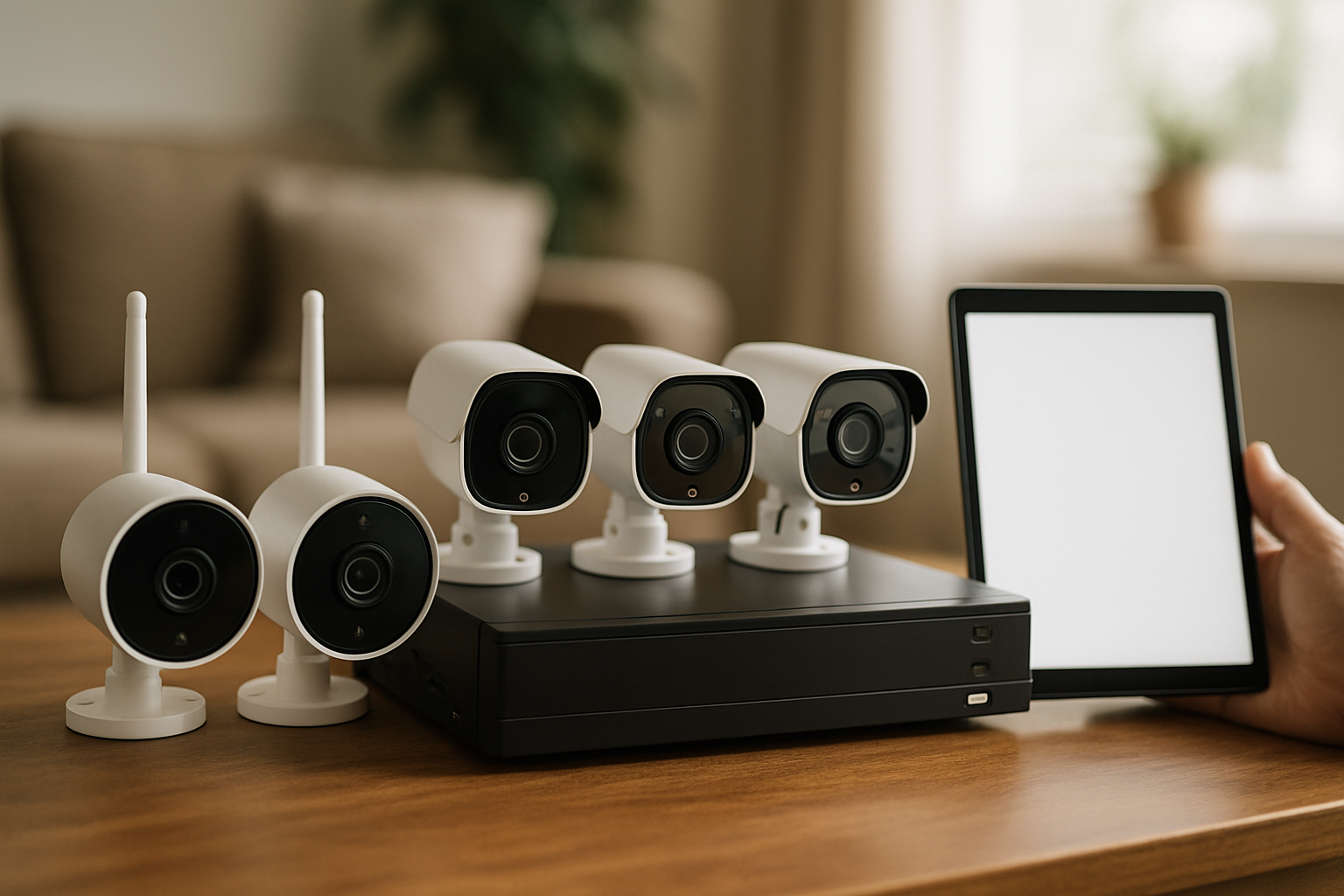
Home security camera systems are essential for protecting your property and enhancing your peace of mind. These systems vary in complexity and functionality, from basic wired cameras to advanced wireless setups with smart features. A good home security camera system typically includes several key components: cameras, recording devices, and monitoring options. Understanding the functions and features of each component is crucial in choosing the right system for your needs.
Types of Cameras
Home security cameras come in various types, including indoor, outdoor, wired, and wireless options. Indoor cameras are designed to monitor the inside of your home, while outdoor cameras withstand weather conditions. Wired cameras generally offer more reliable connections, while wireless cameras allow for greater flexibility in placement. Assessing your specific needs will help determine which type is best suited for your home.
Recording and Storage Options
Recording devices play a critical role in a home security camera system. Options include cloud storage, local storage via hard drives, and network-attached storage (NAS). Cloud storage typically offers remote access and automatic backups, while local storage can be more cost-effective. Consider the amount of footage you need to store and how accessible you want that footage to be when selecting your storage solution.
Key Points:
- Home security cameras enhance property protection
- Different types of cameras serve various needs
Key Features of a Good Home Security Camera System
When evaluating home security camera systems, several key features should be considered to ensure effectiveness. These features include resolution, night vision, motion detection, and two-way audio. High-resolution cameras provide clearer images, which is vital for identifying faces or details. Night vision capabilities allow for surveillance in low light conditions, while motion detection alerts you to movement, enhancing security. Two-way audio enables communication with visitors or potential intruders, adding an extra layer of control.
Importance of Resolution
Camera resolution is crucial for crystal-clear images. A higher resolution, such as 1080p or 4K, means better detail, which is essential for identifying individuals or license plates. When selecting a system, consider how important image clarity is for your security needs, especially if you want to capture clear evidence in case of an incident.
Smart Features and Integration
Many modern security cameras come with smart features such as mobile app integration, alerts, and compatibility with home automation systems. These features allow for real-time monitoring and control from your smartphone, making it easier to manage your security while away from home. Consider how these smart capabilities can enhance your overall security experience.
Key Points:
- High resolution aids in clear identification
- Smart features improve monitoring capabilities
Understanding Home Security Camera Systems
A good home security camera system provides peace of mind and enhances property safety. When considering what constitutes a good system, key factors include resolution, field of view, night vision capabilities, and connectivity options. High-resolution cameras (1080p or higher) provide clearer images, aiding in identifying intruders. The field of view is crucial, as wider angles cover more area, reducing blind spots. Night vision is essential for monitoring during low-light conditions, while connectivity options (Wi-Fi, Ethernet) determine ease of access and control.
Key Features to Consider
When evaluating home security camera systems, focus on essential features such as motion detection, two-way audio, and storage options. Motion detection alerts you to activity and can reduce false alarms. Two-way audio facilitates communication with visitors or intruders, enhancing functionality. Storage options, whether cloud-based or local, affect how you retrieve and manage video footage, impacting long-term security.
Installation Considerations
Proper installation is vital for optimal performance. Camera placement should consider entry points, high-traffic areas, and potential blind spots. Additionally, ensure cameras are mounted securely and adjusted to capture the best angles. Factors such as weatherproofing for outdoor cameras and accessibility for maintenance should also be considered to ensure longevity and functionality.
💡 Invest in high-resolution cameras for clearer images.
💡 Prioritize wide-angle lenses for maximum coverage.
💡 Ensure proper placement to avoid blind spots.
Advanced Features and Integration
Modern home security camera systems offer advanced features that enhance security and user experience. Integration with smart home devices, such as alarms or door locks, allows for automated responses to security events. Advanced analytics, like facial recognition and person detection, enhance monitoring by reducing false alarms and notifying you of specific events. Remote access through mobile apps allows you to monitor your property from anywhere, providing real-time alerts and control.
Smart Home Integration
Integrating your security camera system with smart home devices can significantly enhance security. For instance, connecting cameras with smart locks or lighting systems can automate responses, such as turning on lights when motion is detected. This not only deters intruders but also provides convenience and peace of mind through seamless operation.
Utilizing Cloud Storage
Cloud storage offers several advantages for home security camera systems. It provides secure, off-site storage, reducing the risk of data loss due to theft or damage to devices. Additionally, many cloud services offer easy access to footage from anywhere, simplifying monitoring. However, consider subscription costs and data privacy when choosing a cloud option.
💡 Explore smart home integration for added convenience.
💡 Utilize cloud storage for secure footage management.
💡 Leverage advanced analytics to minimize false alarms.
EXPERT TIPS Pro Advice
Choose a system with customizable alerts.
Customizable alerts allow you to filter notifications based on specific activities, ensuring that you only receive pertinent information, reducing distraction and enhancing focus on critical events.
Regularly update firmware.
Keeping your cameras’ firmware updated enhances security by patching vulnerabilities, ensuring the latest features are available, and maintaining optimal performance.
Consider a professional assessment.
A professional security assessment can identify vulnerabilities in your property and recommend the most effective camera placements and system configurations for optimal coverage.
Test your system periodically.
Regular testing of your camera system ensures all components work correctly and that you can access footage and alerts when needed, enhancing reliability.
Invest in a system with local backup options.
Local backup storage provides an additional layer of security, ensuring you have access to footage even if the internet is down or if there are issues with cloud services.
Frequently Asked Questions
Conclusion
Choosing a good home security camera system involves understanding key features like video quality, placement, and storage options. Evaluate your home’s layout and decide whether to opt for wired or wireless systems to enhance your security effectively.
🎯 Key Takeaways:
- Look for high-resolution video and night vision features.
- Assess your property to determine the right number of cameras.
- Consider smart home integration for enhanced functionality.
- Choose camera placement wisely to cover all entry points.
Expert Advice: Prioritize your specific security needs and lifestyle when selecting a camera system. Regularly review and update your security measures to adapt to changing circumstances.
Start by assessing your home’s security needs and exploring options that best fit your requirements.
Leave a Reply