
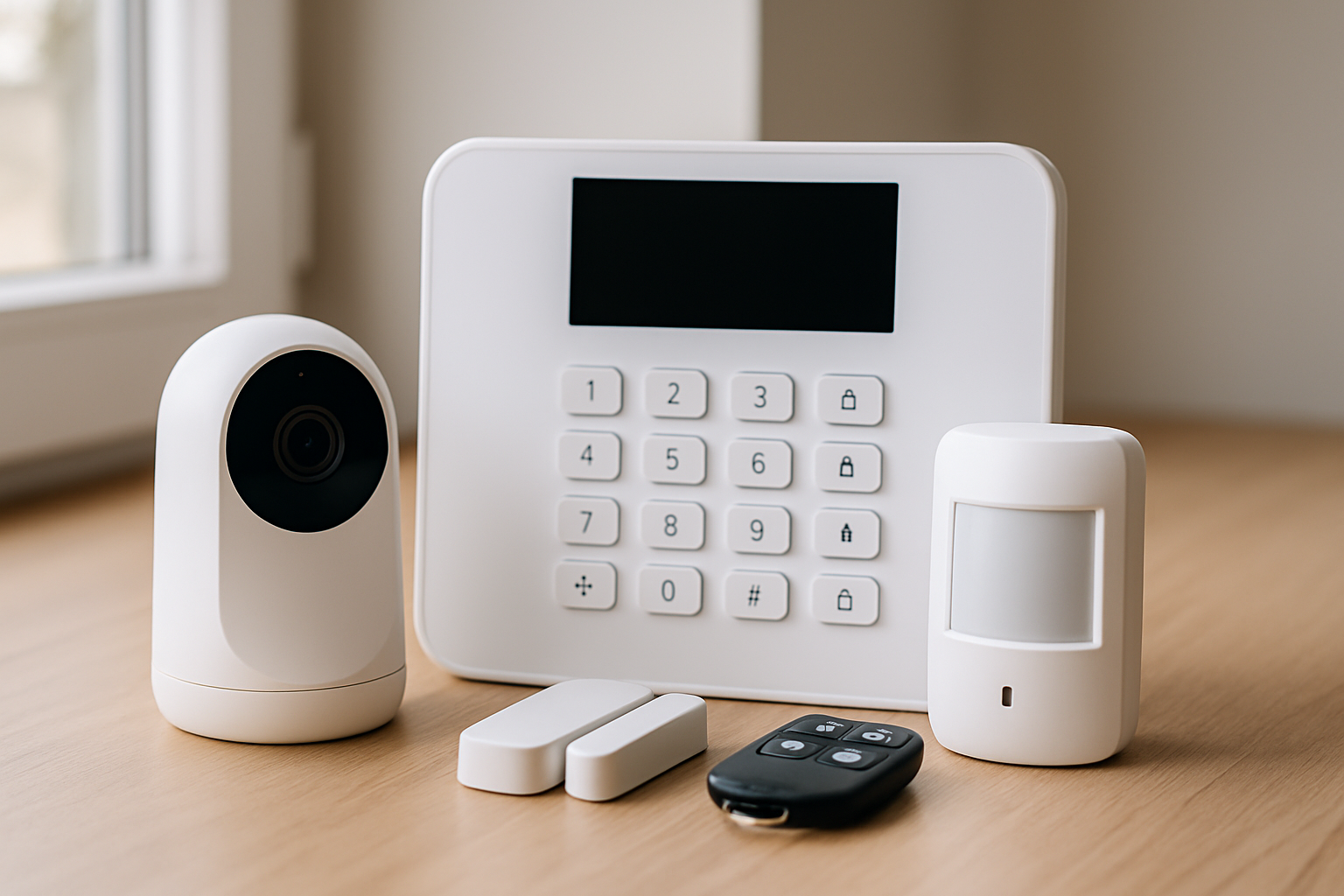
Are you concerned about the safety of your home? With home burglaries occurring every 18 seconds in the U.S., understanding what the best home security system entails is crucial for protecting your loved ones and valuables. As a seasoned expert in home security solutions, I will guide you through the essential features and considerations that make a security system effective. In this article, you will learn about the key components of top-rated systems, how to evaluate your home’s security needs, and the latest technology trends that enhance protection. By the end, you’ll be equipped to make an informed decision about what the best home security system is for your unique situation.
Understanding Home Security Systems
Home security systems are critical for protecting your property and loved ones. They can encompass a variety of components, from alarms to surveillance cameras. Understanding the different types of systems available can help you make an informed choice. Generally, home security systems can be categorized into monitored and unmonitored systems. Monitored systems usually involve a professional monitoring service that alerts authorities in case of an emergency, whereas unmonitored systems rely on the homeowner to respond to alarms. Each type has its benefits depending on your needs and budget.
Types of Home Security Systems
There are several types of home security systems, including wired, wireless, and hybrid systems. Wired systems require physical connections to the home’s electrical system, while wireless systems use cellular or Wi-Fi signals. Hybrid systems combine both types for added flexibility. Understanding the pros and cons of each will guide you in choosing a system that fits your lifestyle and home configuration.
Key Components of a Security System
Common components of home security systems include door and window sensors, motion detectors, surveillance cameras, and alarms. Each element plays a crucial role in deterring intruders and alerting homeowners. For example, motion detectors can cover large areas, while cameras provide visual evidence in case of an incident. Assessing your home’s vulnerabilities will help you decide which components are essential.
Key Points:
- Understand the difference between monitored and unmonitored systems.
- Consider the various types of systems available, including wired and wireless.
💡 Evaluate your home’s unique vulnerabilities to determine the best security components.
Evaluating Your Home Security Needs
Before investing in a home security system, it’s crucial to evaluate your specific needs. Factors such as your neighborhood crime rate, the size of your home, and your budget will influence your decision. Begin by conducting a risk assessment of your home to identify potential vulnerabilities, such as poorly lit areas or easily accessible entry points. This information will help you determine which type of system and features you require for adequate protection.
Conducting a Risk Assessment
To perform a risk assessment, walk through your home and identify weak spots. Check for unsecured doors and windows, inadequate lighting, and areas that may be obstructed from view. Take note of these vulnerabilities, as they will inform the type of security measures you should consider, ensuring that your system effectively addresses your home’s specific risks.
Setting a Budget for Security
Establishing a budget for your home security system is vital. Costs can vary significantly based on the features and components you choose. Consider not just the initial investment but also ongoing costs, such as monitoring fees. Prioritize essential features that align with your risk assessment, ensuring you achieve a balance between affordability and effectiveness.
Key Points:
- Evaluate your neighborhood’s crime rate when assessing security needs.
- Establish a realistic budget, considering both initial and ongoing costs.
💡 Perform a thorough risk assessment to identify your home’s vulnerabilities before choosing a system.
Understanding Home Security System Components
A comprehensive home security system typically comprises several key components that work together to provide effective protection. These components include alarms, cameras, sensors, and control panels. The integration of these elements is crucial for maximizing security. Alarms serve as deterrents and alert homeowners to intrusions, while cameras offer visual evidence and allow for remote monitoring. Sensors detect unauthorized access points, such as doors and windows, triggering alarms or alerts when breached. Understanding these components’ roles can help homeowners make informed decisions about system design and functionality.
Alarm Systems
Alarm systems are fundamental to any home security setup. They can be categorized into monitored and unmonitored systems. Monitored alarms send alerts to a central station, which can dispatch emergency services if necessary. Unmonitored systems trigger local alarms but rely on the homeowner or neighbors to respond. Choosing the right type depends on the homeowner’s preference for immediate response versus cost savings.
Surveillance Cameras
Surveillance cameras enhance security by providing real-time monitoring and recorded footage. Homeowners should consider factors such as resolution, night vision capability, and storage options. Indoor cameras can monitor common areas, while outdoor cameras provide perimeter security. Integrating cameras with mobile apps allows for remote viewing, adding an extra layer of convenience and peace of mind.
Sensors and Detectors
Sensors play a pivotal role in detecting breaches. Common types include door/window sensors, motion detectors, and glass break sensors. Motion detectors can be particularly useful in high-traffic areas, while door/window sensors provide a first line of defense. Homeowners should strategically place these devices to cover vulnerable entry points effectively.
Key Points:
- Components like alarms and cameras work synergistically.
- Strategic placement of sensors is crucial for effective security.
💡 Understand the layout of your home to optimize sensor placement.
💡 Invest in a mix of indoor and outdoor cameras for comprehensive coverage.
Evaluating Home Security System Features
When choosing the best home security system, evaluating specific features is essential to ensure it meets your security needs. Key features to consider include smart home integration, mobile app access, and environmental monitoring. Smart home integration allows various devices to work together, enhancing overall security. Mobile apps provide real-time updates and remote control of security measures. Environmental monitoring, including smoke and CO detectors, adds an extra layer of safety for your family. Prioritizing these features can lead to a more effective and user-friendly security solution.
Smart Home Integration
Smart home integration allows homeowners to connect their security systems with other smart devices, such as smart locks and lights. This connectivity enables automation, such as setting lights to turn on when motion is detected. It not only enhances security but also improves convenience and energy efficiency. Homeowners should assess compatibility with existing smart devices before installation.
Mobile Access and Control
Mobile access is a vital feature for modern security systems, allowing homeowners to monitor their property from anywhere. Features such as real-time alerts, live video feeds, and remote control of alarms and locks provide peace of mind. When evaluating a system, ensure that the mobile app is user-friendly and has reliable connectivity to avoid potential issues.
Environmental Monitoring Capabilities
In addition to traditional security features, environmental monitoring is crucial for comprehensive home protection. Systems equipped with smoke, fire, and carbon monoxide detectors can alert homeowners to hazardous situations. These detectors are often connected to the security system, ensuring a quick response. Homeowners should consider integrating these features for enhanced safety.
Key Points:
- Smart integration enhances security and convenience.
- Environmental monitoring can prevent life-threatening situations.
💡 Prioritize features that align with your lifestyle for maximum effectiveness.
💡 Review mobile app functionalities to ensure ease of use and reliability.
EXPERT TIPS Pro Advice
Consider a professional assessment.
A professional security assessment can identify vulnerabilities in your home that you may overlook, ensuring a tailored security solution.
Regularly update system passwords.
Keeping your security system passwords updated protects against unauthorized access and ensures your system remains secure.
Conduct regular system tests.
Regularly testing your home security system ensures all components are functioning correctly, providing optimal protection.
Stay informed about local crime trends.
Understanding local crime trends can help you adjust your security measures and stay one step ahead of potential threats.
Engage with your community.
Building relationships with neighbors can enhance community vigilance and encourage a proactive approach to neighborhood security.
Frequently Asked Questions
Conclusion
Investing in a home security system is vital for safeguarding your property and ensuring peace of mind. Focus on features that meet your specific needs, consider costs, and evaluate installation options. Smart home integration can further enhance your system’s effectiveness.
🎯 Key Takeaways:
- Prioritize essential features for your home security system.
- Costs can vary; budget effectively for both installation and monitoring.
- DIY installation is an option, but consider professional help for complex systems.
- Stay informed about your system’s capabilities and monitor regularly.
Expert Advice: Evaluate your personal security needs and choose a system that offers flexibility and scalability. Regularly review and update your security measures to adapt to changing circumstances.
Take the time to research and compare different home security options, then make a plan to enhance your home’s safety today.
Leave a Reply