
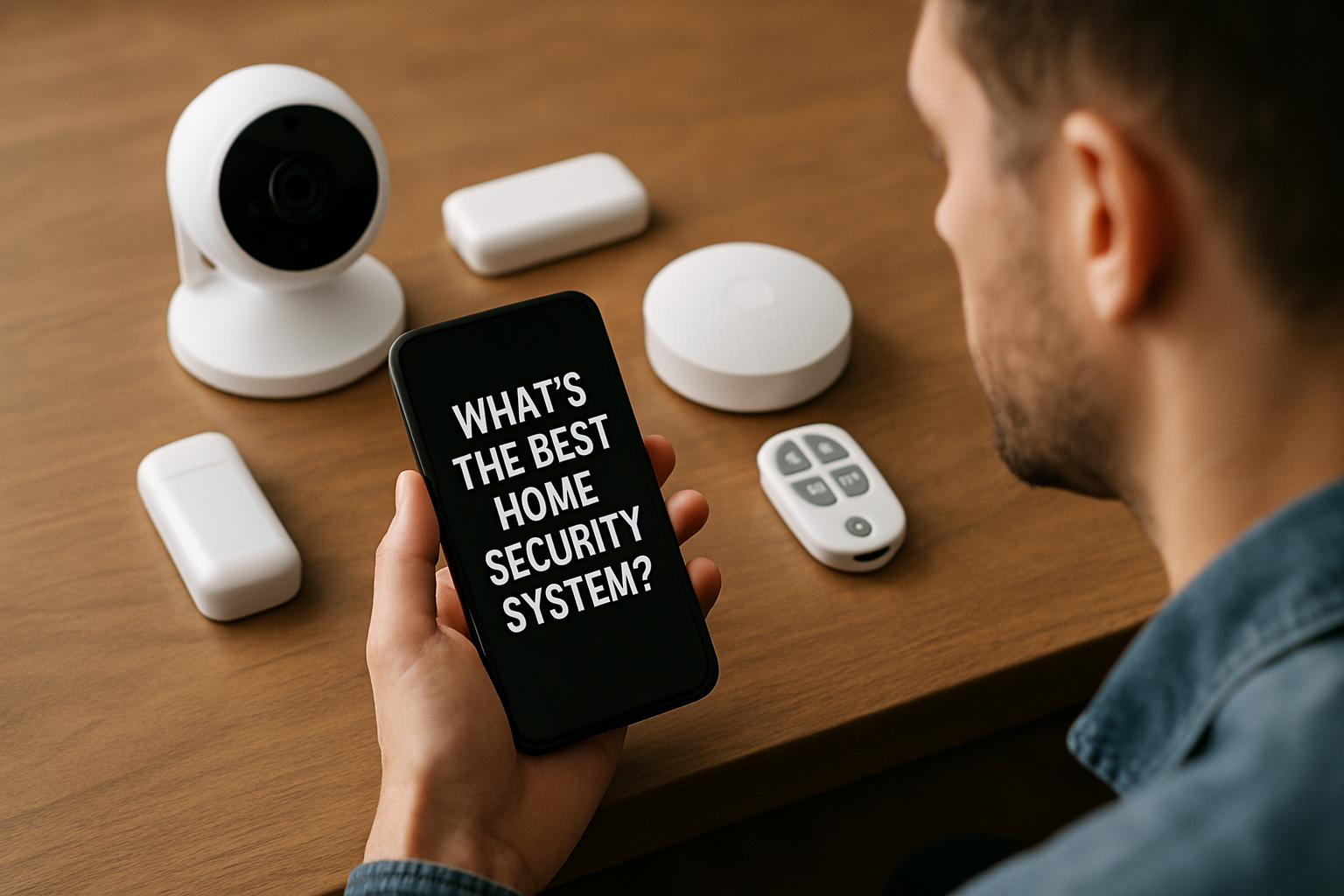
What’s the Best Home Security System: Essential Insights Revealed
Are you wondering what’s the best home security system for your needs? With crime rates fluctuating and technology rapidly evolving, ensuring your home is secure has never been more critical. As an expert in home safety solutions, I understand the importance of making informed choices when it comes to protecting your loved ones and valuables. In this article, you will learn about the factors to consider when evaluating home security systems, including the latest features, types of systems available, and common pitfalls to avoid. By the end, you’ll be equipped with the knowledge to make the right decision for safeguarding your home.
Understanding Home Security Systems
Home security systems are designed to protect your property and loved ones from theft, vandalism, and other threats. A robust system offers peace of mind and can deter potential intruders. There are various types of security systems, ranging from basic alarm systems to sophisticated smart home setups. Understanding the different options available is crucial to selecting the best system for your needs. Key components include alarms, surveillance cameras, motion sensors, and monitoring services, each playing a significant role in overall security.
Types of Home Security Systems
Home security systems can be broadly categorized into wired, wireless, and hybrid systems. Wired systems are often more reliable, though they require professional installation. Wireless systems offer flexibility and ease of use, allowing for DIY installation and expansion. Hybrid systems combine both technologies, providing the benefits of both approaches. Understanding these types can help you choose the best fit for your home environment.
Key Components of Security Systems
A comprehensive home security system typically includes alarms, surveillance cameras, sensors, and monitoring services. Alarms alert homeowners and deter intruders, while cameras provide visual surveillance. Motion sensors can detect movement and trigger alerts, and monitoring services offer 24/7 oversight. Evaluating which components are essential for your specific needs is fundamental to building an effective security system.
Key Points:
- Home security systems vary widely in technology and features.
- Understanding system types and components is crucial for effective protection.
Evaluating Your Home Security Needs
Determining what’s the best home security system for you requires a thorough evaluation of your specific needs. Consider factors such as the size of your property, the level of crime in your area, and your lifestyle. A comprehensive assessment will help you identify vulnerabilities and prioritize the features that matter most to your safety. Additionally, budget constraints and installation preferences should be factored into your decision-making process to ensure you get the best value for your investment.
Assessing Your Property
Begin by assessing your property for potential security vulnerabilities. Identify entry points such as doors and windows, and consider the layout of your home. Are there blind spots that could conceal intruders? Taking note of these areas will guide you in selecting the right components for your security system, such as cameras or motion sensors.
Understanding Local Crime Rates
Researching local crime statistics can provide insight into the types of threats you may face. Areas with higher crime rates may require more comprehensive security measures. Look for trends in burglaries or vandalism in your neighborhood to tailor your system to address these specific risks effectively.
Budget Considerations
Establishing a budget is essential when determining the best home security system. Consider not only the initial costs of equipment but also ongoing expenses such as monitoring fees and maintenance. Balancing your security needs with your financial situation will help you make informed decisions without compromising safety.
Key Points:
- Evaluate your home and local crime rates to understand security needs.
- Budgeting is key to selecting a suitable security system.
Understanding Types of Home Security Systems
When considering what’s the best home security system, it’s essential to understand the different types available. Broadly, home security systems can be categorized into monitored and unmonitored systems. Monitored systems are connected to a professional monitoring service that alerts authorities in case of emergencies. Unmonitored systems, on the other hand, rely on the homeowner to respond to alarms, which may lead to delayed reactions in critical situations. Additionally, some systems integrate smart technology, allowing homeowners to control security features remotely via smartphones.
Monitored vs. Unmonitored Systems
Monitored systems provide peace of mind through 24/7 professional surveillance. They usually entail monthly fees but can be worth the investment during emergencies. Unmonitored systems are cost-effective and allow for more control but require timely responses from homeowners, which can be a disadvantage if you’re away or unable to react quickly.
Smart Home Integration
Smart home systems are increasingly popular in home security. They allow for remote access and control of security features, such as cameras, door locks, and alarms. This integration enhances convenience and can often be managed from a single app, making it easier to monitor your home on the go.
Key Points:
- Know the difference between monitored and unmonitored systems.
- Smart home integration can enhance your security experience.
💡 Evaluate your lifestyle to determine whether a monitored or unmonitored system suits you best.
💡 Consider the benefits of smart technology for added convenience and security.
Assessing Your Home Security Needs
Determining what’s the best home security system for your specific situation involves a thorough assessment of your property and lifestyle. Start by evaluating the vulnerabilities of your home, such as entry points and areas that may require extra surveillance. Additionally, consider your daily routine and how often you are away from home. These factors will guide you in selecting the right features and technologies that best meet your security needs. Always remember to assess your neighborhood crime rates and trends, as they can heavily influence your decision.
Evaluating Vulnerabilities
Conduct a physical walk-through of your property to identify weak points, such as unlocked doors or poorly lit areas. This assessment will help you determine where to focus your security efforts, whether through cameras, motion lights, or reinforced locks.
Considering Lifestyle Factors
Think about your family dynamics, travel habits, and how frequently you host guests. If you often travel, a system with remote monitoring capabilities would be beneficial. For larger households, consider systems that allow multiple users with personalized access.
Key Points:
- Assess vulnerabilities to tailor your security system to your home.
- Lifestyle considerations can significantly influence your security needs.
💡 Conduct a thorough walk-through of your property to identify vulnerabilities.
💡 Factor in your lifestyle when selecting security features; these can greatly enhance your system’s effectiveness.
EXPERT TIPS Pro Advice
Customize your security system
A one-size-fits-all approach often falls short. Tailor your system to your specific needs for maximum effectiveness.
Regularly update your security measures
As technology and threats evolve, keeping your system updated is crucial to maintaining security.
Involve your family in security planning
Engaging everyone in the family can ensure that all members understand how to use the system and respond in emergencies.
Utilize neighborhood watch groups
Connecting with your neighbors can enhance community safety and provide additional eyes on your property.
Invest in quality installation
A well-installed system is more reliable. Consider professional installation to ensure all components function optimally.
Frequently Asked Questions
Conclusion
Selecting the best home security system involves understanding your specific needs, budget, and the features that matter most. Consider installation options, whether professional or DIY, and ensure regular updates to keep your system effective. Ultimately, investing in a suitable security system enhances your peace of mind.
🎯 Key Takeaways:
- Prioritize essential features like monitoring and smart integration.
- Assess your home’s specific security needs before choosing a system.
- Professional monitoring significantly boosts response times.
- DIY installation is feasible for many modern systems.
- Stay informed about costs and budget for ongoing fees.
Expert Advice: Always conduct thorough research and read user reviews to inform your choices. The right security system not only protects your home but also contributes to your overall sense of safety.
Take the next step by evaluating your home security needs and exploring the best options available to enhance your safety.
Leave a Reply