
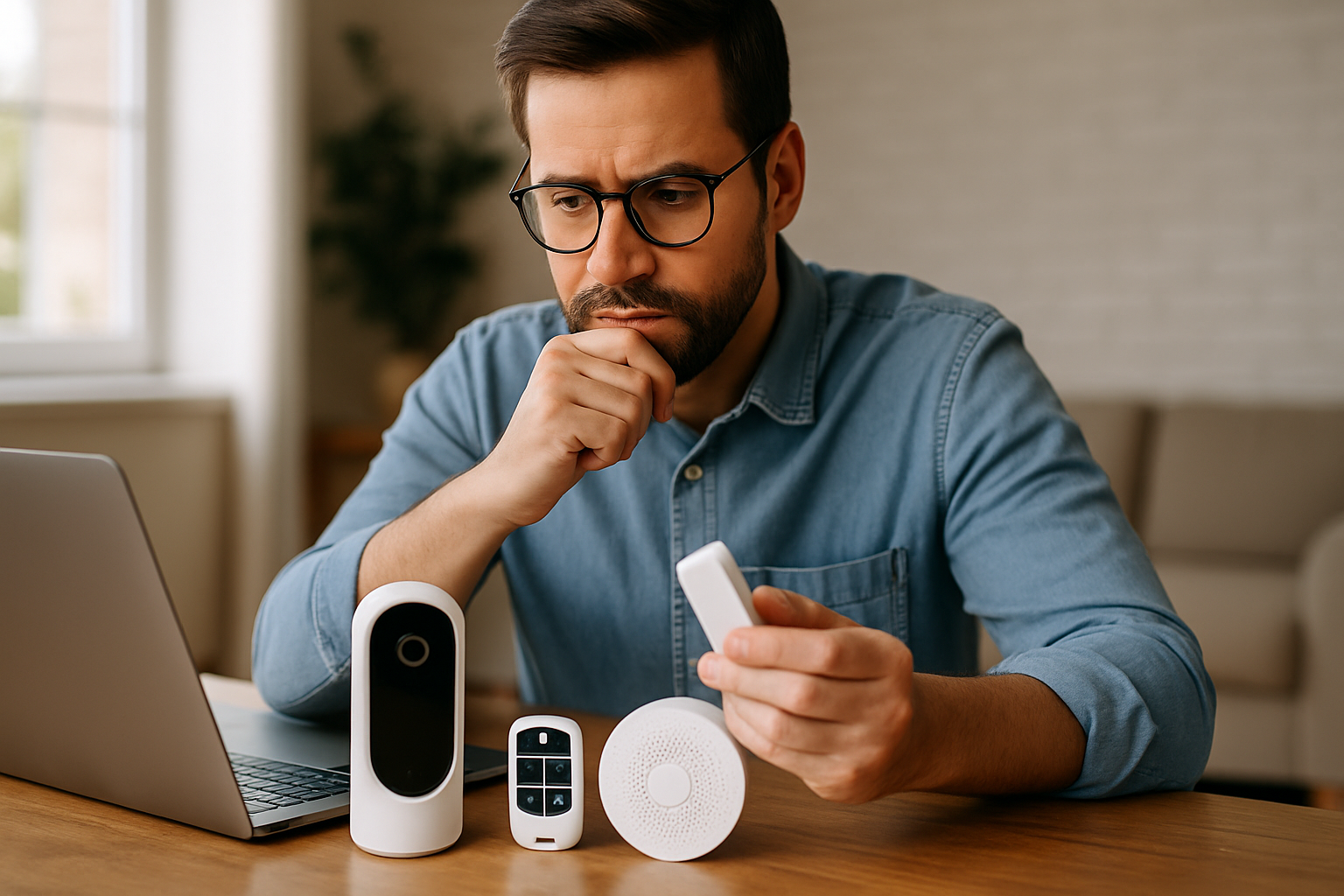
Are you overwhelmed by the choices when it comes to home security systems? You’re not alone. With the rise in home break-ins, finding the right solution has never been more crucial. As an expert in home security, I’ve analyzed various systems to help you determine which is best for your unique needs. In this article, you’ll learn about the essential features to look for, the types of systems available, and the common pitfalls to avoid when making your decision. By the end, you’ll have a clearer understanding of how to protect your home and loved ones effectively.
Understanding Home Security Systems
Home security systems are essential for protecting your home from intrusions, theft, and other security threats. These systems often include a combination of alarms, cameras, sensors, and monitoring services. Choosing the best home security system requires understanding your specific needs, the technology available, and how these systems can be integrated into your lifestyle. Factors such as the size of your home, budget, and personal preferences play a significant role in your decision-making process. A comprehensive assessment of these aspects will help you identify the features that are most important for your security requirements.
Types of Home Security Systems
Home security systems can be categorized into three main types: monitored systems, unmonitored systems, and smart home systems. Monitored systems involve professional monitoring services that alert authorities in case of an emergency. Unmonitored systems rely on audible alarms and homeowner response. Smart home systems, on the other hand, integrate with home automation technology, allowing for remote monitoring and control via smartphones. Understanding these types will help you align your choice with your security needs.
Key Features to Consider
When evaluating a home security system, consider essential features like motion detection, night vision, two-way audio, and mobile app integration. Motion detectors alert you to movement, while night vision ensures visibility in low light. Two-way audio allows for communication through the system, enhancing security. Mobile app integration enables real-time monitoring and control, allowing you to respond quickly to potential threats. Prioritizing these features will enhance your home’s security.
Key Points:
- Home security systems vary by type and features.
- Understanding your needs is crucial for an effective system choice.
💡 Assess your specific security needs before choosing a system.
💡 Research the types of systems available to find the best fit.
💡 Consider future scalability of the security system you select.
Evaluating Your Home Security Needs
Before selecting a home security system, it’s important to evaluate your unique security needs. Factors to consider include the size of your property, neighborhood crime rates, and the presence of valuable items. Conducting a risk assessment will help identify vulnerabilities within your home. For instance, larger homes may require more sensors and cameras, while urban areas with higher crime rates may necessitate more advanced monitoring options. Understanding these elements will guide you toward a security solution that effectively protects your home.
Conducting a Risk Assessment
A thorough risk assessment involves identifying potential entry points, assessing the layout of your home, and considering your lifestyle. Walk around your property and take note of weaknesses such as poorly lit areas or easily accessible windows. Additionally, consider the locations of valuables and how they can be secured. This assessment will inform your choice of security features and systems, ensuring you address the most critical vulnerabilities.
Understanding Local Crime Trends
Researching local crime trends can provide valuable insight into the types of threats you may face. Analyzing crime reports from local law enforcement can help you understand common issues in your area, such as burglary or vandalism. This information will empower you to make informed decisions regarding the level of security needed for your home, enabling you to choose a system that aligns with the risks associated with your neighborhood.
Key Points:
- Assessing your needs is key to selecting the right system.
- Local crime data can help determine necessary security measures.
💡 Perform a detailed risk assessment to identify vulnerabilities.
💡 Stay informed about local crime trends to tailor your security system.
💡 Consult with local law enforcement for additional security insights.
Assessing Your Security Needs
Determining which is the best home security system starts with an assessment of your unique security needs. Consider factors like the size of your home, the number of entry points, and the local crime rate. Conducting a thorough evaluation allows you to prioritize features that matter most, such as video surveillance or smart home integration. Understanding your vulnerabilities helps in choosing a system that provides adequate coverage and protection.
Evaluating Vulnerabilities
Identify potential weak spots in your home, such as windows, doors, and garages. Conduct a walk-through and assess how easily an intruder could gain access. This evaluation helps you decide on the necessary security measures, like reinforced locks or additional cameras, ensuring you’re not over- or under-protected.
Understanding Local Crime Trends
Research the crime statistics in your neighborhood to gauge the level of risk. Look for trends in burglary or vandalism to inform your decisions. This data will guide you in selecting features that address specific threats, such as motion detectors in high-risk areas or outdoor lighting for better visibility.
Key Points:
- Assessing needs is crucial for effective security.
- Understanding vulnerabilities helps prioritize features.
💡 Conduct a home security audit to identify vulnerabilities.
💡 Stay updated on local crime rates to tailor your security system.
💡 Prioritize high-risk areas for enhanced security measures.
Comparing Security Features
When evaluating which is the best home security system, comparing features is essential. Different systems offer various functionalities, including alarm systems, surveillance cameras, and smart home integration. By understanding the pros and cons of each feature, you can make an informed decision that balances effectiveness with budget constraints. Look for systems that offer scalability, allowing you to expand your security as your needs change.
Alarm Systems vs. Surveillance Cameras
Alarm systems alert you and authorities in case of a break-in, while surveillance cameras provide visual evidence and deter criminals. Consider your priorities—if immediate alerts are crucial, an alarm system may be best. Conversely, if you want to monitor activity in and around your home, invest in high-quality cameras.
Smart Home Integration
Smart home security systems allow you to control devices remotely, receive notifications, and automate responses. Features like smart locks and video doorbells enhance convenience but may require a reliable internet connection. Assess whether the benefits of integration align with your lifestyle and tech comfort level.
Key Points:
- Feature comparison is vital for effective security selection.
- Smart integration can enhance convenience but requires internet reliability.
💡 Compare features to find the right balance between security and cost.
💡 Consider long-term needs for scalability in your system.
💡 Research user reviews for real-world insights on features.
EXPERT TIPS Pro Advice
Prioritize user-friendly features.
Choosing a system that is easy to use ensures that all members of the household can operate it effectively, which is crucial during emergencies.
Consider professional monitoring.
Professional monitoring can provide peace of mind, as trained personnel will respond to alarms, ensuring quicker action in case of emergencies.
Explore self-monitoring options.
Self-monitoring can save costs and give you direct control over your security, allowing for personal response to alerts.
Invest in redundancy.
Having backup systems, like a secondary internet connection or battery power, can ensure your security remains functional during outages.
Regularly update your security system.
Keeping your system updated with the latest features and security patches is essential for maintaining effectiveness against new threats.
Frequently Asked Questions
Conclusion
Choosing the best home security system involves assessing your unique needs, understanding essential features, and considering installation options. Evaluating costs and prioritizing reliable monitoring can significantly enhance your home’s safety. Remember to compare different systems to find the perfect match for your requirements.
🎯 Key Takeaways:
- Identify your specific security needs before selecting a system.
- Monitoring is essential for effective emergency response.
- Wireless systems offer flexibility and ease of installation.
- Security cameras provide additional protection and peace of mind.
- Compare costs and features for informed decision-making.
Expert Advice: Take the time to evaluate your options and choose a system that aligns with your safety priorities and budget. Stay informed about the latest security trends to enhance your home’s protection.
Start researching different home security systems today to find the best fit for your safety needs.
Leave a Reply