
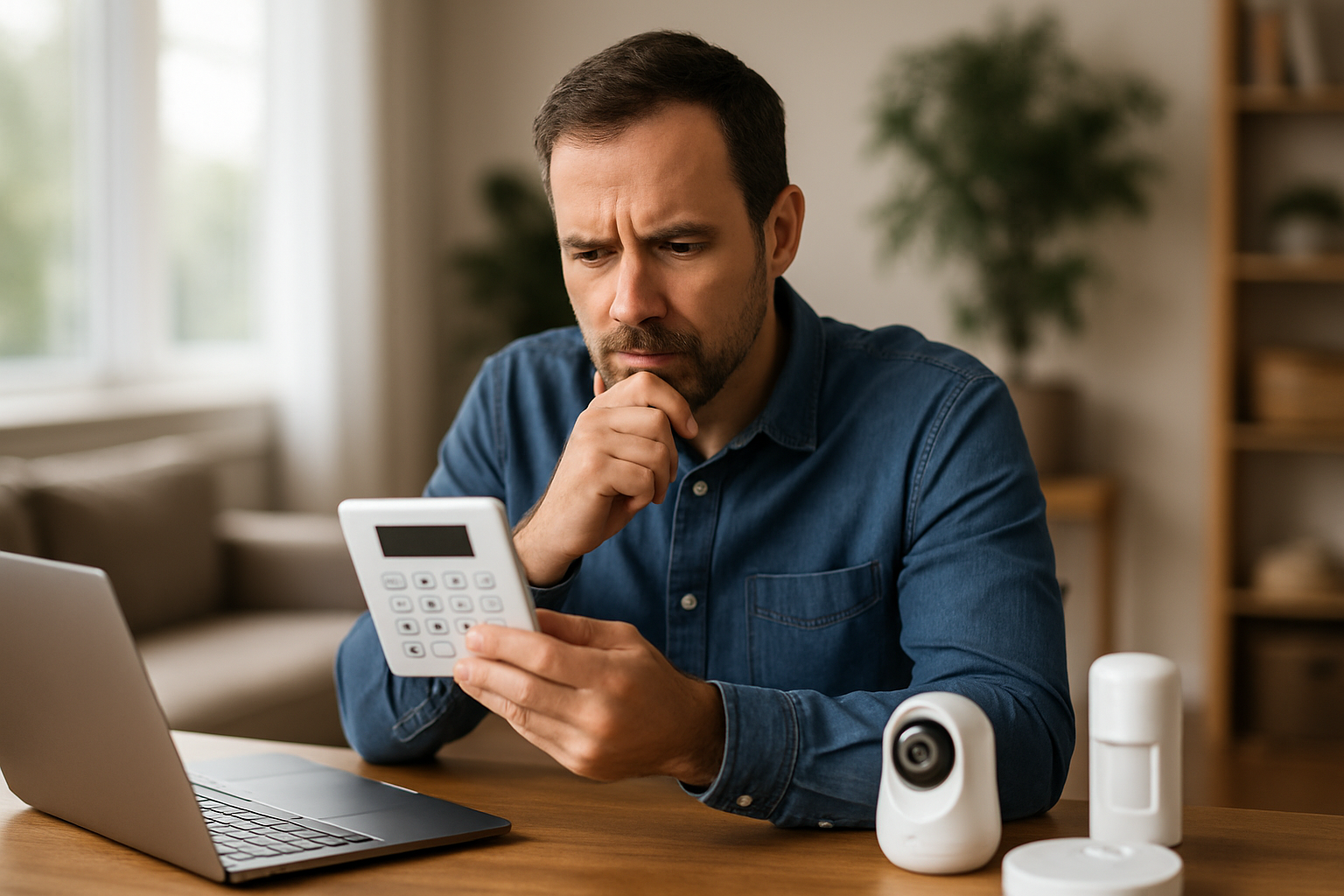
Are you concerned about the safety of your home and wondering who has the best home security system? With crime rates fluctuating and technology evolving, choosing an effective home security system can feel overwhelming. As an expert in home safety solutions, I understand the importance of making informed decisions to protect your loved ones and property. In this article, you will learn about key features to consider, the most effective types of security systems, and how to evaluate options based on your unique needs. By the end, you will be equipped with the knowledge to determine which home security system is best for you.
Understanding Home Security Systems
Home security systems are essential for protecting your property and loved ones. They typically consist of various components like alarms, cameras, and monitoring services. Understanding the different types of systems available is crucial when assessing which might be the best fit for your needs. The primary goal is to deter intruders and ensure a quick response in case of an emergency. As crime rates vary by region, a robust security system can provide peace of mind and enhance your overall safety.
Types of Home Security Systems
There are several types of home security systems available, each with its own features. Wired systems are permanently installed and offer reliability, while wireless systems provide flexibility and easy installation. DIY systems allow homeowners to set up their own security measures, while professionally monitored systems offer 24/7 surveillance and rapid emergency response.
Components of a Security System
Typical components include security cameras, motion sensors, door and window sensors, and alarms. Cameras can be indoor or outdoor, providing visual monitoring. Motion sensors detect movement and can alert homeowners of potential intrusions. Door and window sensors notify you when a door or window is opened, serving as the first line of defense.
Benefits of Home Security Systems
Investing in a home security system offers numerous benefits, including deterrence of crime, lower insurance premiums, and increased property value. A visible security system can discourage burglaries. Moreover, having a security system can sometimes lead to discounts on homeowners insurance, ultimately saving you money.
Key Points:
- Different types of systems cater to various needs
- Components work together to enhance security
Evaluating the Best Home Security System for You
Choosing the best home security system involves assessing your specific needs and preferences. Factors such as your home’s layout, local crime rates, and budget play a significant role in decision-making. Additionally, consider whether you prefer a wired or wireless system and the level of professional monitoring you’d like. Researching customer reviews and seeking recommendations can also provide valuable insights into the effectiveness of different systems.
Assessing Your Security Needs
Start by evaluating the vulnerabilities in your home. Identify entry points and areas that require monitoring. Consider the size of your property and whether you need indoor, outdoor, or both types of cameras. Understanding your unique security needs will guide you to the right system.
Budget Considerations
Home security systems can vary widely in cost, from basic DIY setups to comprehensive professional monitoring services. Determine your budget and factor in installation fees, monthly monitoring costs, and any additional equipment you may need. Balance your security needs with what you can afford.
Researching and Comparing Systems
Once you have a clear idea of your needs and budget, research available systems. Look for customer reviews, expert ratings, and comparisons of features. Pay attention to user experiences regarding installation, customer service, and overall satisfaction to help make an informed choice.
Key Points:
- Tailor your security system to your specific needs
- Cost considerations are crucial in the decision-making process
Evaluating Home Security System Features
When determining who has the best home security system, it’s essential to evaluate key features that enhance safety and convenience. Key aspects such as monitoring options, equipment quality, and installation processes play a significant role. Monitoring options can include professional monitoring or self-monitoring via mobile apps, both of which offer unique benefits. Equipment quality encompasses cameras, sensors, and alarms that should meet industry standards for reliability and effectiveness. Lastly, consider the installation process. Systems can be professionally installed for a fee or self-installed, allowing for flexibility and cost savings. Understanding these components will help you assess various systems effectively.
Monitoring Options
Monitoring options are crucial in assessing a home security system. Professional monitoring provides 24/7 surveillance by trained personnel who can respond swiftly to emergencies. In contrast, self-monitoring allows homeowners to control their systems via mobile devices, offering real-time alerts but requiring active engagement. Consider your lifestyle and how much monitoring you can realistically maintain when choosing the right option.
Equipment Quality
The quality of equipment is another vital factor in determining the effectiveness of a home security system. High-resolution cameras, reliable motion detectors, and robust alarms are essential for deterring intruders and ensuring safety. Researching the specifications and customer reviews of equipment can help gauge their effectiveness and durability, leading to a more informed decision.
Key Points:
- Evaluate both professional and self-monitoring options based on your lifestyle.
- High-quality equipment significantly impacts the effectiveness of any security system.
💡 Always opt for equipment that meets or exceeds industry safety standards, as this ensures reliability and longevity.
💡 Consider your specific security needs—high-risk neighborhoods may require more advanced monitoring and equipment.
Cost vs. Value in Home Security Systems
Understanding the cost versus value of home security systems is pivotal in finding the best option. While some systems may appear less expensive initially, hidden fees and long-term contracts can inflate overall costs. It’s crucial to consider the total cost of ownership, which includes installation fees, monthly monitoring costs, and equipment upgrades. Additionally, value lies in the peace of mind provided, which can be difficult to quantify but is essential for family safety. Evaluating different systems based on their overall value rather than just price will lead to a more satisfying investment.
Hidden Costs
Hidden costs can significantly impact the affordability of a home security system. Be aware of potential charges for installation, equipment leasing, and cancellation fees. Reading the fine print and asking direct questions during the selection process can help uncover these costs before committing to a system.
Long-Term Benefits
Investing in a quality home security system offers long-term benefits that often outweigh initial costs. Enhanced safety, potential discounts on homeowner’s insurance, and increased property value are notable advantages. Analyze how these benefits can contribute to your overall security and financial well-being over time.
Key Points:
- Total cost of ownership includes installation, monitoring, and potential hidden fees.
- Assessing long-term benefits can provide a clearer picture of a system’s true value.
💡 Always read the contract carefully to understand all potential fees and hidden costs associated with the system.
💡 Consider the long-term savings on insurance premiums when evaluating the overall cost of a security system.
EXPERT TIPS Pro Advice
Conduct a risk assessment of your home.
Identifying vulnerabilities in your property will help you choose a system that addresses specific security threats effectively.
Prioritize systems with user-friendly interfaces.
A user-friendly system ensures that all family members can operate it efficiently, enhancing overall security compliance.
Regularly update system software.
Keeping your security system’s software up to date protects against vulnerabilities and enhances functionality.
Engage with your community for insights.
Networking with neighbors about their experiences can provide valuable information and recommendations on effective systems.
Test your system periodically.
Regular testing ensures all components are functioning correctly, providing peace of mind that your security measures are active.
Frequently Asked Questions
Conclusion
Selecting the best home security system involves evaluating various factors, including features, installation options, and personal needs. Understanding the benefits of smart technology and monitoring can greatly enhance your home security. Regularly updating your system is also essential for maintaining effective protection.
🎯 Key Takeaways:
- Consider features, installation, and pricing when choosing a system.
- Evaluate your specific security needs and budget.
- DIY installation is possible with many modern systems.
- Smart systems offer enhanced convenience and monitoring options.
- Wired vs. wireless systems each have distinct advantages.
- Regular updates to your system are crucial for ongoing security.
Expert Advice: Stay proactive about your home security by continually assessing your system and understanding emerging technologies. Prioritize safety and tailor your security measures to fit your lifestyle and home environment.
Take the time to research and evaluate different home security options to find the best fit for your needs.
Leave a Reply