
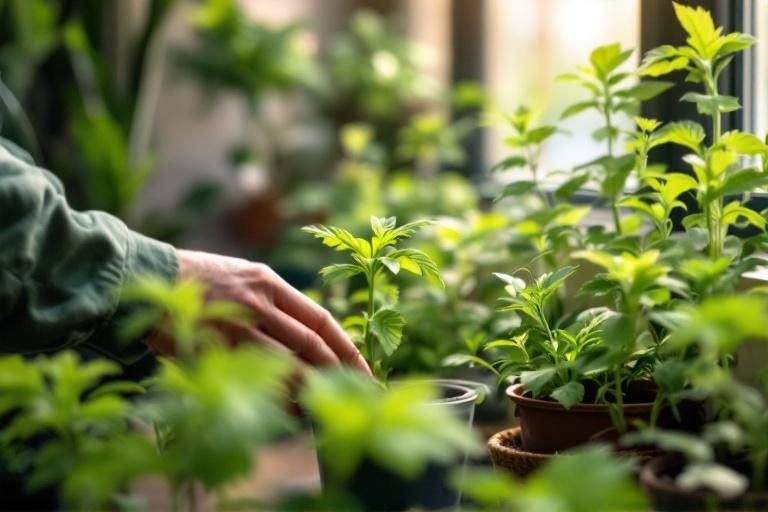
Are you looking to bring fresh flavors into your cooking without stepping outside? A beginner guide to indoor herb garden can transform your kitchen into a vibrant space filled with aromatic herbs. Statistics show that homegrown herbs not only enhance your meals but also provide a sense of satisfaction and connection to nature. With over 15 years of experience in gardening and sustainable practices, I am here to guide you through the essential steps of setting up your indoor herb garden. In this comprehensive article, you will learn how to choose the right herbs, create the perfect growing environment, and maintain your garden for optimal growth. Whether you have a sunny windowsill or a cozy kitchen nook, you can cultivate your own indoor herb garden successfully.
Understanding the Basics of Indoor Herb Gardening
Indoor herb gardening is an accessible and rewarding way to grow fresh herbs right in your home. This beginner guide to indoor herb garden emphasizes the importance of understanding light, water, and soil conditions. Herbs such as basil, parsley, and mint thrive in well-drained soil and require ample sunlight, ideally 6-8 hours a day. A good starting point is to assess the available light in your space and choose herbs that will flourish in those conditions. Regular watering is essential but should be balanced to avoid over-saturation, which can lead to root rot. With the right knowledge and care, anyone can start an indoor herb garden that adds flavor to meals and enhances indoor air quality.
Choosing the Right Location
The location of your indoor herb garden is crucial for its success. Choose a spot that receives plenty of natural light, such as a south-facing window. If natural light is limited, consider using grow lights to supplement. Additionally, ensure that the chosen area has good air circulation to prevent mold and pests from developing.
Selecting Suitable Herbs
For beginners, it’s wise to start with easy-to-grow herbs like basil, cilantro, and chives. These herbs are not only forgiving but also versatile in cooking. As you gain confidence, you can experiment with more challenging varieties like rosemary or thyme. Always consider your cooking preferences when selecting herbs to grow.
Understanding Soil and Water Needs
Using the right soil mix is essential for healthy herbs. A lightweight potting mix, often containing peat moss, perlite, and vermiculite, provides good drainage and aeration. Watering should be done when the top inch of soil feels dry; overwatering can be detrimental. A consistent schedule will help you maintain healthy plants.
Key Points:
- Choose a sunny location for your herbs
- Start with easy-to-grow herbs
- Use a lightweight potting mix for optimal growth
Essential Tools and Techniques for Indoor Herb Gardening
Starting an indoor herb garden doesn’t require a lot of specialized tools, but having the right equipment can make the process easier and more enjoyable. Basic tools such as pots, saucers, and a watering can are essential. Additionally, consider using labels to track different herbs and their growth stages. Techniques like pruning are vital for promoting bushier growth, as trimming leaves encourages the plant to produce more stems. Understanding proper watering techniques and maintaining a clean environment will help prevent pests and diseases, ensuring a successful indoor herb garden.
Basic Gardening Tools
Start with essential tools like pots with drainage holes, a watering can, and a trowel. These items will assist in planting, watering, and maintaining your herbs. Optional tools like pruning shears can help keep your plants healthy and encourage new growth. Use labels to identify different herbs easily.
Watering Techniques
Watering your herbs correctly is crucial to their health. Always check the soil moisture before watering; if the top inch is dry, it’s time to water. Use room-temperature water to avoid shocking the plants and water until it drains from the bottom of the pot, ensuring roots receive moisture without sitting in water.
Pruning and Maintenance
Regular pruning helps your herbs grow denser and fuller. Remove any dead or yellowing leaves and pinch off the tops of stems to encourage branching. This also prevents the plants from flowering prematurely, which can alter their flavor. Regular maintenance keeps your garden productive and thriving.
Key Points:
- Invest in basic gardening tools for ease
- Monitor soil moisture before watering
- Prune regularly for a bushier herb garden
Choosing the Right Herbs for Beginners
Starting an indoor herb garden requires selecting herbs that thrive in indoor conditions and are easy to care for. Beginners should focus on herbs that have a high success rate and can adapt to various indoor environments. Popular choices include basil, parsley, and mint. These herbs not only have culinary uses but also grow quickly, providing instant gratification for new gardeners. Consider factors like light requirements, growth habits, and intended use when choosing your herbs to ensure a successful gardening experience.
Light Requirements
Most herbs require at least 6-8 hours of sunlight daily. If natural light is limited, consider using grow lights to supplement. Position your herbs near south-facing windows or in well-lit areas to maximize their growth potential.
Growth Habits
Understanding the growth habits of your chosen herbs is crucial. Some herbs, like basil, grow tall and bushy, while others may spread out more. Plan your indoor space accordingly to prevent overcrowding and ensure each plant gets adequate air circulation.
Key Points:
- Select herbs suited for indoor growth conditions.
- Consider light availability and growth habits before planting.
💡 Choose herbs based on your cooking habits to encourage regular use and care.
Maintaining Your Indoor Herb Garden
Once your indoor herb garden is established, regular maintenance is key to sustaining healthy plants. This includes watering, pruning, and pest management. Overwatering is a common mistake; herbs generally prefer well-drained soil. Check the moisture level by feeling the soil before watering. Pruning helps promote bushier growth and prevents flowering, which can affect flavor and yield. Additionally, stay vigilant for pests like aphids and spider mites, which can be managed through natural remedies or organic solutions.
Watering Techniques
Use the ‘soak and dry’ method for watering your herbs. Allow the top inch of soil to dry out before watering again. This encourages deeper root growth and prevents root rot, a common issue for indoor plants.
Pruning and Harvesting
Regularly prune your herbs to encourage bushy growth and prevent them from becoming leggy. Harvesting leaves regularly not only provides fresh herbs for cooking but also stimulates new growth. Always use clean, sharp scissors to avoid damaging the plants.
Key Points:
- Regular maintenance is essential for healthy herb growth.
- Implement effective watering and pruning strategies for optimal results.
💡 Monitor soil moisture levels regularly to prevent overwatering.
EXPERT TIPS Pro Advice
Start small with a few herbs.
Focusing on a few herbs allows you to learn their care requirements without feeling overwhelmed, increasing your chances of success.
Rotate your pots periodically.
Rotating your pots ensures even light distribution, preventing plants from leaning towards the light source and promoting balanced growth.
Use quality potting soil.
Quality soil provides better drainage and nutrients, creating a healthier environment for your herbs to thrive.
Keep a gardening journal.
Documenting your plant care routines and observations helps you learn and improve your gardening skills over time.
Experiment with companion planting.
Some herbs thrive better together; for example, basil and tomatoes. This can enhance growth and deter pests naturally.
Frequently Asked Questions
Conclusion
Starting an indoor herb garden is an enjoyable and rewarding experience for beginners. By selecting easy-to-grow herbs, ensuring adequate light and water, and using the right soil, you can cultivate a thriving garden year-round. Regular pruning and fertilization will further enhance growth and yield.
🎯 Key Takeaways:
- Choose easy herbs like basil, parsley, and mint.
- Provide 6-8 hours of light daily for optimal growth.
- Water when the top inch of soil is dry to avoid overwatering.
- Use a well-draining potting mix to support healthy roots.
- Prune regularly to encourage bushy growth.
Expert Advice: Start small and gradually expand your indoor herb garden as you gain confidence. Observing your plants will help you understand their needs, leading to a more successful and enjoyable gardening experience.
Begin your indoor herb gardening journey today by selecting your first herbs and setting up a suitable growing environment!
Leave a Reply