

Best Smart Home Systems 2025: A Comprehensive Overview
As we step into 2025, the realm of home automation is evolving at an unprecedented pace. With the rise of advanced technologies like artificial intelligence and the Internet of Things (IoT), homeowners are increasingly seeking the best smart home systems to enhance their living spaces. Have you ever wondered how these systems can improve your daily life? In this article, we will explore the most innovative smart home solutions currently available, highlighting their key features and the benefits they bring. You’ll gain valuable insights into what makes a smart home system truly stand out and how you can leverage these technologies to create a more efficient, secure, and convenient home environment.
Understanding Smart Home Systems
Smart home systems integrate various technologies to enhance convenience, security, and energy efficiency in residential settings. By connecting devices such as lights, thermostats, cameras, and appliances, these systems allow homeowners to control their environment through smartphones or voice assistants. The increasing popularity of smart home solutions is driven by advancements in technology and the growing demand for seamless home automation. In 2025, the best smart home systems will not only focus on integration but also emphasize user experience and privacy.
Key Components of Smart Home Systems
A smart home system typically consists of several core components: smart devices, a hub or controller, and a user interface. Smart devices include everything from smart speakers to security cameras. The hub acts as the central point of communication, allowing all devices to interconnect. Lastly, the user interface, usually an app, enables homeowners to monitor and control these devices remotely.
Benefits of Smart Home Technology
The advantages of smart home systems are numerous. They provide enhanced security through real-time monitoring, increase energy efficiency by optimizing usage patterns, and offer unparalleled convenience by automating daily tasks. Moreover, smart systems can improve quality of life by allowing users to customize their living environments to better suit their needs and preferences.
Key Points:
- Smart home systems enhance convenience and security
- Integration and user experience are key in 2025
Trends Shaping Smart Home Systems in 2025
As we look toward 2025, several trends are emerging that will shape the future of smart home systems. These include increased AI integration, greater emphasis on data privacy, and a shift towards interoperability among devices. Homeowners are becoming more tech-savvy, demanding systems that not only work seamlessly but also respect their privacy. Manufacturers are responding by focusing on user-friendly interfaces and enhanced security features to protect user data.
AI and Automation in Smart Homes
Artificial intelligence is revolutionizing the functionality of smart home systems. AI algorithms can learn user habits and preferences, allowing for more personalized automation. For example, a smart thermostat can adjust temperatures based on historical usage patterns, enhancing comfort and efficiency. This trend will likely expand, making homes smarter and more adaptive to individual lifestyles.
Interoperability and Compatibility
Interoperability among different smart devices is crucial for a seamless smart home experience. In 2025, the best systems will prioritize compatibility, allowing devices from various manufacturers to work together without issues. This will enable users to mix and match devices according to their preferences, leading to more tailored smart home solutions.
Key Points:
- AI will enhance automation in homes
- Interoperability will be essential for user satisfaction
Understanding Smart Home Ecosystems
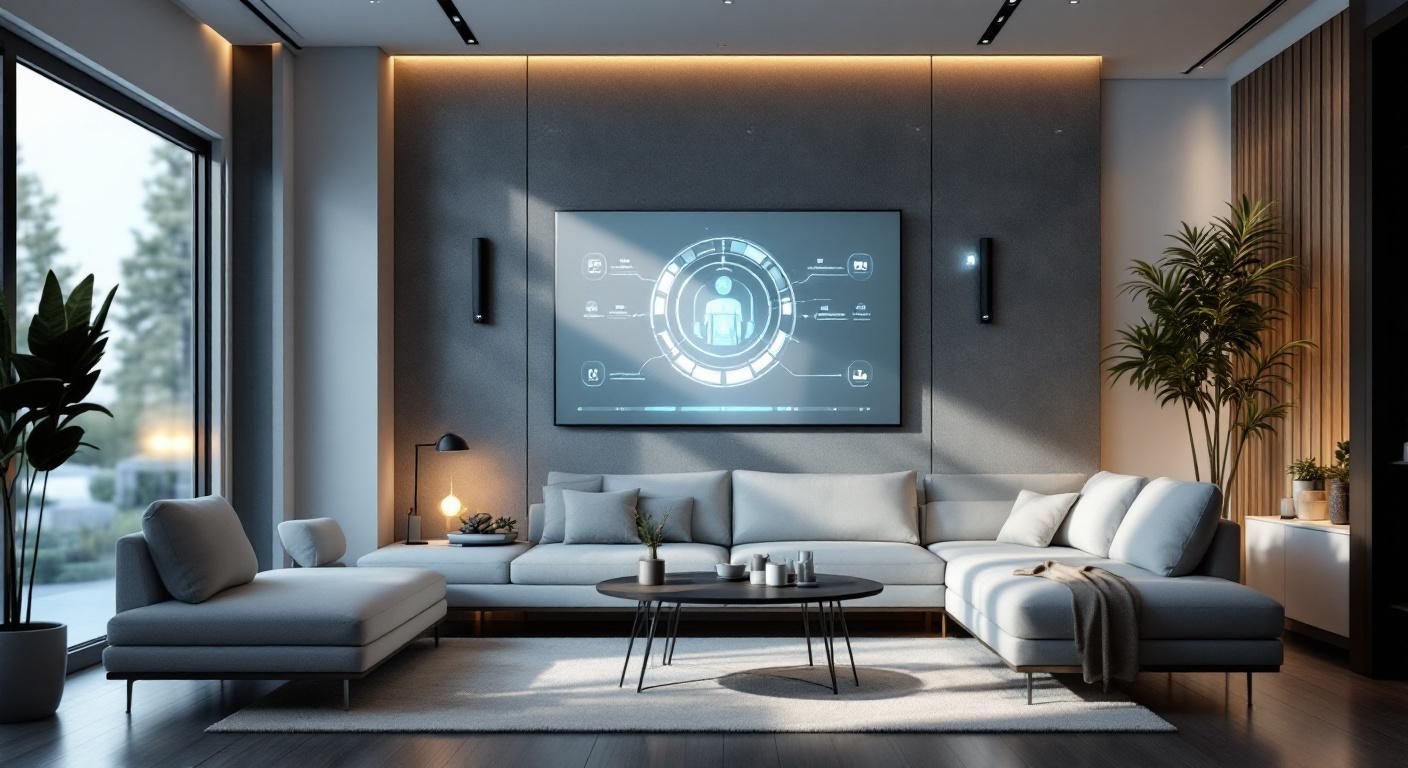
As we look to 2025, the concept of smart home systems is evolving into interconnected ecosystems that enhance user experience and efficiency. A smart home ecosystem includes various devices like smart lights, thermostats, and security systems that communicate seamlessly to provide a cohesive user interface. The integration of Artificial Intelligence (AI) and the Internet of Things (IoT) is crucial, allowing devices to learn from user behavior and optimize operations. Understanding these ecosystems can help homeowners choose systems that best meet their needs while ensuring compatibility and future-proofing.
Interconnectivity and Compatibility
When selecting a smart home system, ensuring interconnectivity is paramount. Look for systems that communicate over common protocols like Zigbee and Z-Wave, as this enhances device compatibility. This will allow for smoother integration and the ability to control multiple devices through a single hub or application, simplifying the user experience.
Scalability for Future Needs
A smart home system should be scalable to accommodate future technology advancements and additional devices. Choosing systems that allow for easy additions, whether through software updates or hardware expansions, ensures that your home remains at the forefront of smart technology and meets evolving needs.
Key Points:
- Smart home ecosystems enhance user experience through interconnectivity.
- Choose systems that are scalable to future-proof your investment.
💡 Prioritize systems with open protocols for better compatibility.
💡 Choose scalable solutions to adapt to future smart home trends.

Security and Privacy Considerations
As smart home systems gain popularity, security and privacy concerns have become paramount. Users must consider how data is collected, stored, and shared within their smart home ecosystems. Implementing robust security measures, such as strong passwords and two-factor authentication, can help safeguard against unauthorized access. Furthermore, selecting devices that prioritize user privacy and data protection will help mitigate risks associated with smart home technology.
Data Encryption and Protection
Ensure that any smart home system you choose employs data encryption both in transit and at rest. This means that any data sent between your devices and the cloud is coded, making it difficult for hackers to intercept sensitive information. Researching manufacturers’ security practices is essential before making a decision.
Regular Updates and Maintenance
Regular software updates are critical for maintaining the security of your smart home system. Automated updates can help, but users should also be proactive about checking for updates and installing them promptly. This practice minimizes vulnerabilities and ensures that your system benefits from the latest security enhancements.
Key Points:
- Security and privacy are crucial in selecting smart home systems.
- Regular maintenance and updates enhance system security.
💡 Implement strong passwords and change them regularly.
💡 Stay informed about security updates from device manufacturers.
EXPERT TIPS Pro Advice
Evaluate long-term support
Choose smart home systems from manufacturers that offer long-term support and updates, ensuring your devices stay current and secure for years to come.
Consider energy efficiency
Select devices that not only enhance convenience but also promote energy efficiency, reducing costs and environmental impact over time.
Test compatibility prior to purchase
Before investing, test the compatibility of devices in your intended ecosystem to avoid integration issues later.
Research user experiences
Look into user reviews and forums to understand the real-world performance and reliability of smart home systems.
Prioritize user-friendly interfaces
Choose systems with intuitive user interfaces to ensure all household members can easily control devices, enhancing overall usability.
Frequently Asked Questions
Conclusion
As smart home technology continues to evolve, selecting the best system for 2025 requires careful consideration of compatibility, features, and security. Prioritizing interoperability and energy efficiency will help ensure a future-proof and sustainable home environment. Stay informed about emerging trends to make the best choices.
🎯 Key Takeaways:
- Evaluate compatibility and scalability when choosing a smart home system.
- Interoperability enhances user experience and device communication.
- Energy efficiency can reduce costs and environmental impact.
- Stay updated on trends like AI and personalization for future-proofing.
Expert Advice: Invest time in researching and understanding your smart home needs. The right choices today will create a comfortable, efficient, and secure living space for years to come.
Explore your options and begin planning your ideal smart home setup today.
Leave a Reply