
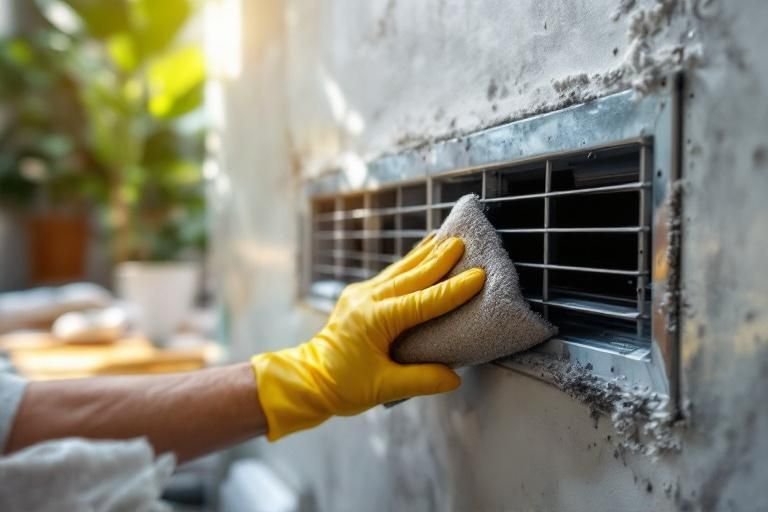
Are you aware that neglecting your home’s air ducts can significantly impact your indoor air quality? Studies show that dirty air ducts can harbor allergens, dust, and even mold, leading to health issues and decreased HVAC efficiency. As a seasoned expert in home maintenance, I understand the critical role clean air ducts play in ensuring a healthy living environment. In this article, you’ll learn how often home air ducts should be cleaned, the benefits of regular maintenance, and key indicators that it’s time to schedule a cleaning. By following these guidelines, you’ll ensure your home’s air quality remains pristine and your HVAC system runs efficiently.
Understanding Home Air Ducts
Home air ducts are vital components of your HVAC system, responsible for circulating air throughout your home. They can accumulate dust, allergens, and other debris over time, which can affect air quality and energy efficiency. Understanding what these ducts are and how they function can highlight the importance of regular cleaning. Typically, air ducts consist of metal, fiberglass, or flexible materials, designed to direct airflow from heating and cooling systems to various rooms. The efficiency of your HVAC system can be significantly impacted by the cleanliness of these ducts, making it crucial to keep them clear of obstructions and contaminants.
The Function of Air Ducts
Air ducts function as the delivery system for heated or cooled air in your home. They distribute conditioned air from your HVAC system to different areas, ensuring consistent temperatures throughout. When ducts are clogged with dust or debris, the system works harder, leading to higher energy costs and reduced lifespan of HVAC components.
Health Implications of Dirty Ducts
Dirty air ducts can harbor allergens, mold, and bacteria, negatively affecting indoor air quality. This can trigger respiratory issues, allergies, and other health problems. Regular cleaning helps mitigate these risks, ensuring a healthier living environment for you and your family.
Key Points:
- Home air ducts circulate air and impact HVAC efficiency
- Dirty ducts can harm indoor air quality and health
Factors Influencing Air Duct Cleaning Frequency
Several factors influence how often home air ducts should be cleaned. These include household size, pet ownership, and geographical location. Larger households typically produce more dust and allergens, necessitating more frequent cleaning. Similarly, homes with pets may require additional attention due to pet hair and dander accumulating in the ducts. Additionally, if you live in an area with high pollen or dust levels, this can also affect how often you need to clean your ducts.
Household Size and Activity Level
A larger household with multiple occupants typically generates more dust and debris. High activity levels, such as children playing indoors or frequent gatherings, can also contribute to faster accumulation of contaminants. Such households should consider cleaning their ducts every 3-5 years to maintain air quality.
The Impact of Pets
Homes with pets often experience increased dust and allergens due to pet fur and dander. Pet owners should consider cleaning their air ducts more frequently, ideally every 2-3 years, to minimize health risks associated with pet-related allergens.
Environmental Factors
If you live in an area prone to dust, pollen, or construction, your air ducts may collect contaminants more quickly. In such cases, a cleaning schedule of every 2-3 years is recommended to ensure that air quality remains high and your HVAC system operates efficiently.
Key Points:
- Household size affects cleaning frequency
- Pets increase the need for more frequent duct cleaning

Understanding the Importance of Air Duct Cleaning
Regular air duct cleaning is essential for maintaining indoor air quality and HVAC efficiency. Dust, allergens, and contaminants can accumulate in ducts, leading to respiratory issues and reduced airflow. It is generally recommended to clean home air ducts every 3 to 5 years, but specific circumstances may necessitate more frequent cleaning. Understanding the factors that influence this frequency can help homeowners make informed decisions about their air duct maintenance.
Signs Indicating Duct Cleaning is Needed
Homeowners should be vigilant for signs that indicate the need for duct cleaning. These include visible dust buildup on vents, strange odors emanating from the HVAC system, and increased allergy symptoms among household members. If you notice any of these signs, it may be time to schedule a cleaning to improve air quality and system performance.
Factors Influencing Cleaning Frequency
Several factors can affect how often air ducts should be cleaned. Homes with pets may require more frequent cleaning due to pet dander. Similarly, homes in dusty environments or those undergoing renovations should consider cleaning ducts more often. Additionally, homes with residents suffering from allergies or respiratory conditions may benefit from more regular maintenance.
Key Points:
- Clean air ducts improve indoor air quality.
- Frequency of cleaning may vary based on specific household circumstances.
💡 Regularly inspect air vents for dust accumulation to gauge cleaning needs.
💡 Consider seasonal changes as a reminder to check duct cleanliness, especially during allergy seasons.
Best Practices for Maintaining Clean Air Ducts
Maintaining your air ducts involves more than just periodic cleaning; it requires a proactive approach to ensure long-term cleanliness and efficiency. Regular maintenance practices can help prevent excessive buildup of dust and allergens. Homeowners should consider implementing a routine that includes both cleaning and inspection to keep their air ducts in optimal condition.
Implementing a Maintenance Schedule
Establishing a maintenance schedule can help ensure that air ducts are cleaned at appropriate intervals. Homeowners should mark their calendars for duct cleaning every 3 to 5 years, while also monitoring for any signs that may indicate a need for earlier cleaning. Keeping a log of maintenance activities can also help track the effectiveness of your cleaning frequency.
Enhancing Home Air Quality
In addition to cleaning, consider using high-efficiency filters and regularly changing them as part of your air quality maintenance. Proper ventilation and humidity control are also key factors in preventing mold and dust accumulation in air ducts. These measures can significantly extend the time between necessary cleanings.
Key Points:
- Regular maintenance minimizes the need for frequent deep cleaning.
- High-quality filters and proper ventilation enhance air quality and duct cleanliness.
💡 Use high-quality air filters to reduce dust and allergens in ducts.
💡 Schedule HVAC system check-ups annually to ensure proper function and identify potential issues early.
EXPERT TIPS Pro Advice
Monitor air quality regularly.
By using air quality monitors, homeowners can track changes in air quality and determine if duct cleaning is necessary sooner than expected.
Seal ductwork properly.
Ensuring that ducts are sealed and insulated can prevent contaminants from entering and accumulating, reducing cleaning frequency.
Educate all household members.
Inform everyone in the household about the importance of air quality and signs of poor ventilation, fostering a proactive approach to maintenance.
Frequently Asked Questions
Conclusion
Maintaining clean air ducts is essential for healthy indoor air quality and HVAC efficiency. Cleaning should be done every 3 to 5 years, with additional care if you notice dust buildup or health issues. Regular maintenance can significantly improve your home’s air quality.
🎯 Key Takeaways:
- Clean air ducts every 3 to 5 years for optimal health.
- Look for signs like dust buildup and allergy symptoms.
- Consider cleaning ducts before moving into a new home.
- Regularly change filters and vacuum to maintain cleanliness.
Expert Advice: Prioritize air duct cleaning as part of your home maintenance routine. Staying proactive can enhance your living environment and protect your family’s health.
Evaluate your home’s air duct condition today and consider scheduling a professional inspection.
Leave a Reply